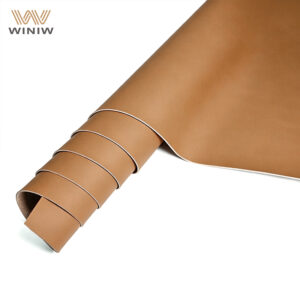
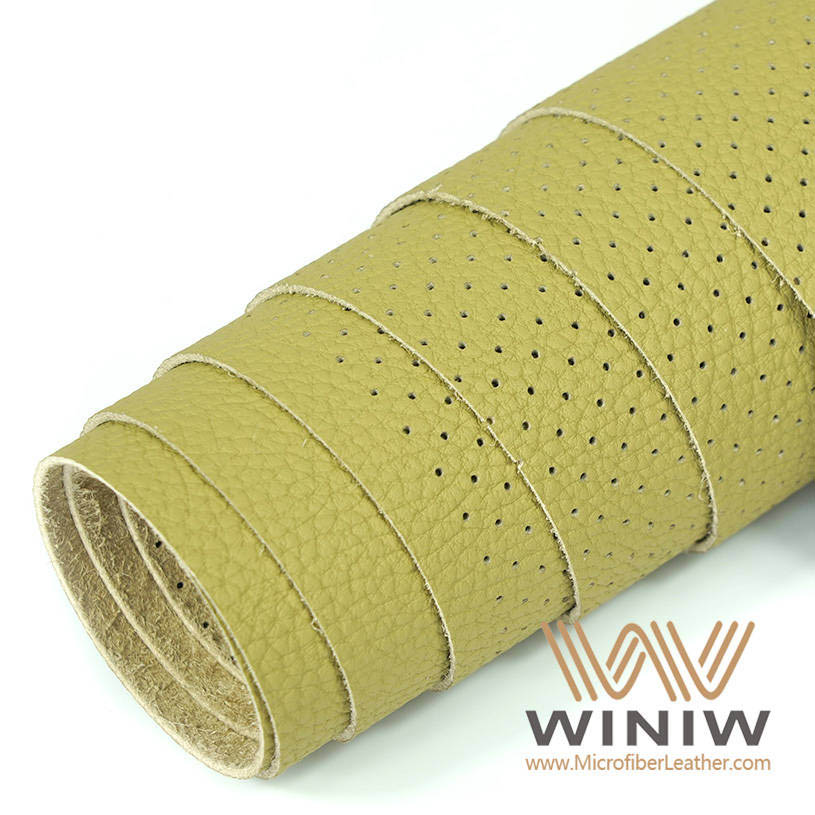
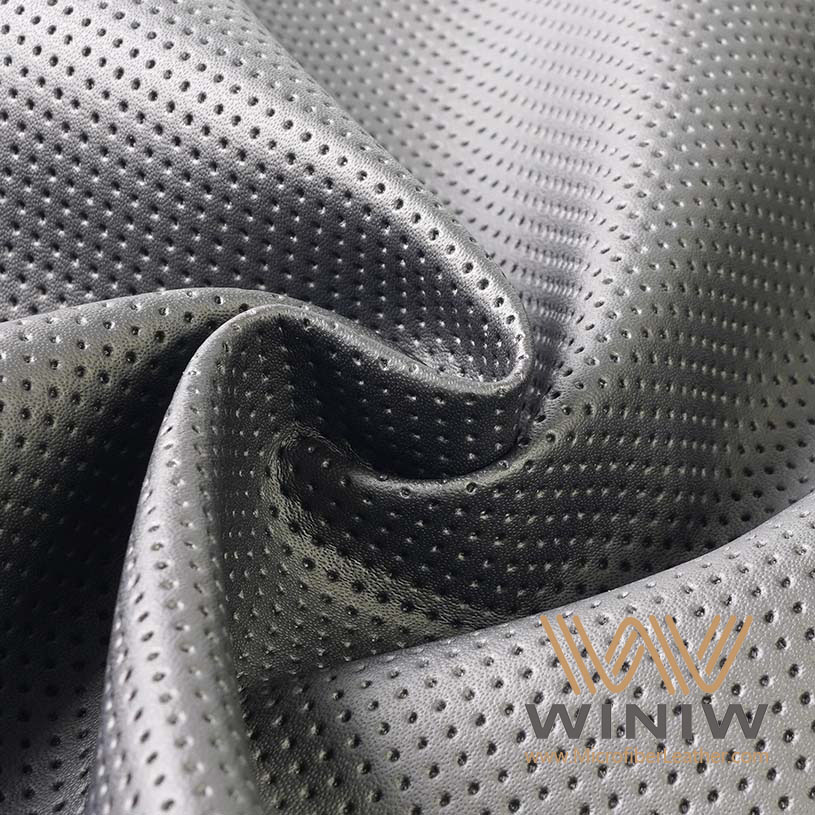
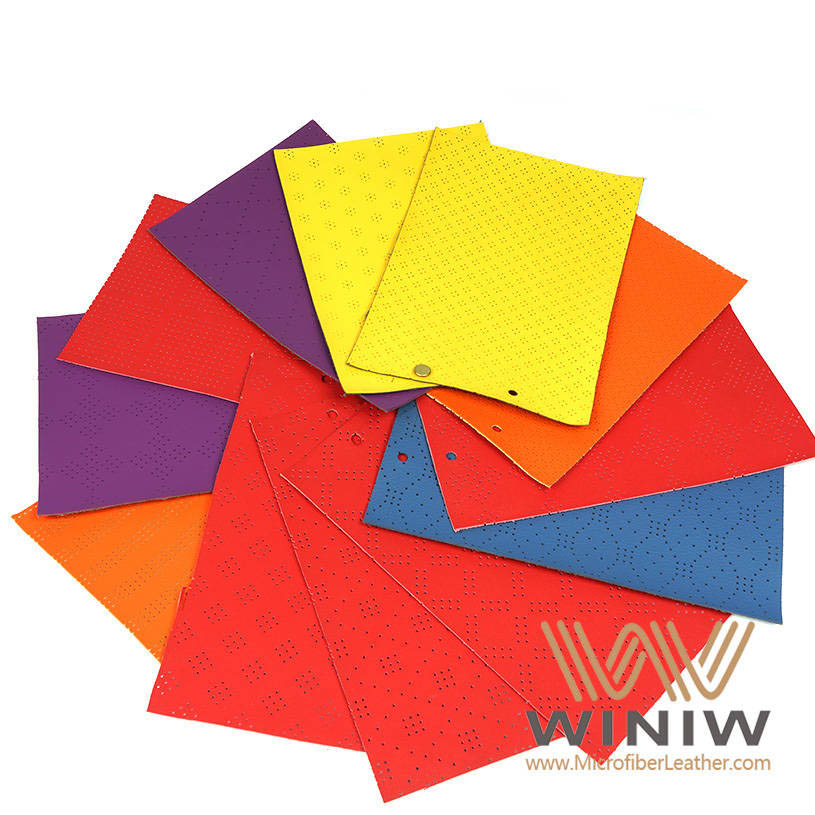
You notice that automotive perforated leather has tiny holes across its surface, while regular leather stays solid and smooth. Perforated leather allows air to flow, which keeps you cooler and more comfortable. You also see a unique texture and pattern. Cleaning and caring for each type require different approaches.
What Makes Automotive Perforated Leather Different from Regular Leather
- Automotive perforated leather features tiny holes that enhance breathability, keeping you cooler and more comfortable during drives.
- Regular leather offers a smooth surface and is easier to clean, making it a practical choice for those who prioritize maintenance.
- Choosing between perforated and regular leather depends on your needs: opt for perforated for comfort and style, or regular for easy upkeep.
Automotive Perforated Leather vs. Regular Leather
What Is Automotive Perforated Leather
You see automotive perforated leather in many modern vehicles, especially in luxury brands. This material starts as high-quality automotive leather, but manufacturers add a pattern of tiny holes across the surface. These holes are not random. Machines punch or laser-cut them in precise patterns to improve breathability and comfort for you and your passengers. The process involves several steps to ensure the leather remains strong and attractive.
Here is a quick look at the main components used in the manufacturing process:
| Component | Function |
|---|---|
| Feeding system | Guides and stabilizes the leather sheet |
| Punching or laser unit | Generates perforations with precise depth and spacing |
| Die assembly | Defines hole diameter and pattern geometry |
| Servo control system | Regulates tool movement and synchronization |
| Cooling/vacuum system | Removes debris and maintains clean surfaces |
| Human-machine interface | Enables operators to configure perforation parameters and monitor performance |
The production steps for perforated automotive leather include:
- Material inspection for thickness, coating, and elasticity.
- Pattern programming using CAD/CAM to set the hole layout.
- Machine calibration for punch pressure, laser power, and feed rate.
- Trial run and validation to check dimensions.
- Continuous production with automatic alignment.
- Quality inspection using vision systems or laser scanners.
- Post-processing to clean, condition, and stabilize the leather.
Most perforated leather used in automotive interiors has a thickness between 1.2 and 1.4 mm. The holes usually measure about 0.047 to 0.052 inches in diameter, depending on the pattern.
You often find perforated automotive leather in high-end vehicles. Brands like Audi, Land Rover, and Porsche use it in nearly all their interiors. Here is a chart showing how common perforated leather interiors are among popular car brands:
What Is Regular Leather
Regular leather in automotive interiors comes from animal hides, usually cowhide. Manufacturers treat and finish this material to create a smooth, solid surface without holes. You see regular leather in many vehicles, from entry-level to luxury models. The surface feels soft and looks uniform, but it does not have the same breathability as perforated leather.
Automotive leather comes in several grades and finishes. Here is a table that explains the main types:
| Leather Grade | Description |
|---|---|
| Full-grain | Highest quality, keeps natural grain, very durable, develops a rich patina over time. |
| Top-grain | High quality, outer layer removed for a uniform look, easier to dye and finish. |
| Genuine leather | Made from lower layers, treated for appearance, less durable than higher grades. |
| Bonded leather | Lowest grade, made from scraps bonded together, less durable, mimics genuine leather appearance. |
You find regular leather in many automotive interiors, especially in seats, steering wheels, and trim. The quality and feel depend on the grade and finish.
Key Differences
You notice several important differences between automotive perforated leather and regular leather:
- Surface Texture: Perforated leather has a pattern of tiny holes, while regular leather stays smooth and solid.
- Breathability: The holes in perforated leather allow air to flow, making seats cooler and more comfortable, especially in hot weather or with ventilated seats.
- Appearance: Perforated leather gives a modern, sporty look to the interior. Regular leather offers a classic, elegant style.
- Maintenance: Perforated leather can collect dust and debris in the holes, so you need to clean it more carefully. Regular leather is easier to wipe down but may feel warmer in direct sunlight.
- Application: You see perforated automotive leather mostly in luxury vehicles and high-end trims. Regular leather appears in a wider range of vehicles.
Tip: If you want maximum comfort and a premium look, perforated leather car seats are a great choice. If you prefer easy cleaning and a traditional style, regular leather may suit you better.
| Feature | Perforated Automotive Leather | Regular Leather |
|---|---|---|
| Surface | Tiny holes, patterned | Smooth, solid |
| Breathability | High | Moderate to low |
| Appearance | Sporty, modern | Classic, elegant |
| Maintenance | Needs careful cleaning | Easier to clean |
| Common in | Luxury and premium vehicles | All vehicle types |
| Comfort | Cooler, better air flow | Warmer, less air flow |
You can now see why many automotive brands choose perforated leather for their interiors. It combines comfort, style, and advanced manufacturing to create a high-quality seating experience.
Benefits and Drawbacks of Perforated Automotive Leather
Breathability and Comfort
You want your automotive seats to feel comfortable, especially during long drives. Perforated leather car seats offer good breathability because the tiny holes allow air to circulate. This reduces sweating and helps you stay cool. Many car interiors use perforated automotive leather for this reason. You will notice that these seats feel more breathable than regular leather seats, which often trap heat and cause discomfort. Good ventilation is a key benefit, making perforated leather suitable for automotive use in hot climates.
Tip: If you live in a warm area, choosing perforated leather car seat covers can make your driving experience much more pleasant.
Perforated Leather Car Seats and Temperature Control
Perforated leather car seats help with temperature control. The holes in the leather let air move through, which works well with ventilated seats and air conditioning. On hot days, you will feel cooler compared to regular leather seats. However, perforated leather alone cannot cool you as much as fabric seats or active ventilation systems. You get the best results when your vehicle has built-in fans under the seats. Perforated automotive leather works best in vehicles designed for advanced climate control.
Aesthetic Appeal of Perforated Leather
You may notice that perforated leather adds a high-end appearance to car interiors. The unique patterns and textures give your seats a modern, stylish look. Many automotive brands now use creative designs, moving beyond simple holes. Perforated leather is no longer just for luxury vehicles. Mid-market cars also feature these elegant interiors. If you want your car to stand out, perforated leather car seat covers offer both function and style.
| Feature | Benefit |
|---|---|
| Unique patterns | Adds visual interest to car interiors |
| Integration with tech | Works with seat heating and ventilation |
| Mainstream adoption | Found in more than just luxury vehicles |
Maintenance and Durability
You need to care for perforated automotive leather to keep it looking new. The material offers durability and quality, but cleaning requires extra attention. Dirt and spills can get trapped in the holes. To clean, vacuum the seats gently, use a leather-safe cleaner, and brush lightly with a soft bristle brush. Wipe with a microfiber cloth and check for debris. Conditioning the leather helps protect it from damage. Regular maintenance keeps your automotive leather seats in top condition.
Dust and Debris Concerns
Perforated leather car seats can collect dust and debris in the holes. This creates a breathability issue if not cleaned often. Use a vacuum and a small brush to remove particles. For stubborn debris, a dental brush works well. Interior coatings can help protect the leather from dirt and spills. Regular cleaning is important, especially if you spend a lot of time in your vehicle. Regular leather seats are easier to clean, but they do not offer the same level of ventilation or comfort.
Note: If you want easy maintenance, regular leather may be a better choice. If you value comfort and a modern look, perforated automotive leather is a great option for car interiors.
You should weigh your priorities when choosing between perforated and regular leather. Perforated leather offers better ventilation, comfort, and a modern look. Regular leather is easier to clean. Consider these factors:
- Less sweating in summer
- Ventilation options
- Cleaning difficulty
- Apply cleaners to towels, not seats.
- Condition non-perforated areas first.
- Use breathable protectants.

FAQ
Can you repair perforated leather car seats if they get damaged?
You can repair small holes or tears with a leather repair kit. For large damage, you should contact a professional for best results.
Does perforated leather wear out faster than regular leather?
Perforated leather can last as long as regular leather if you clean and condition it regularly. Avoid letting dirt build up in the holes.
How do you clean dust from perforated leather seats?
Use a vacuum with a soft brush attachment. Gently brush the holes to remove dust. Wipe the surface with a microfiber cloth and leather cleaner.