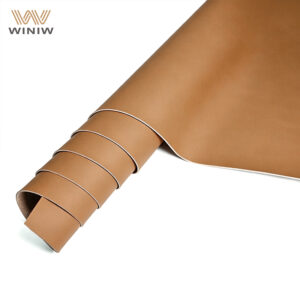
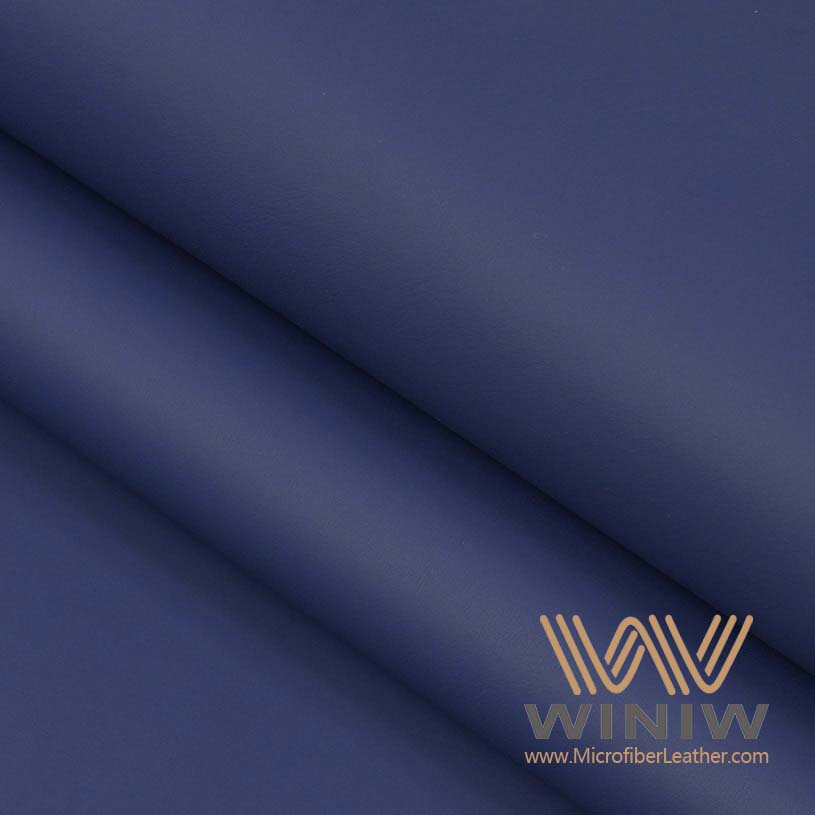
Automotive leather trim refers to the use of real or synthetic leather on key surfaces inside your car, such as seats, steering wheels, and door panels. You notice its impact as soon as you enter a vehicle—leather trim gives the interior a sense of comfort and luxury that many drivers prefer. Surveys show that consumers value the premium feel and durability of leather, which enhances both the look and the tactile experience of your car. Many car owners choose leather because it is easy to clean, resists odors, and stands up well to daily wear. In major markets, you see different trends:
- In North America, people look for innovation and luxury.
- Europe focuses on sustainable, stylish interiors.
- Asia-Pacific buyers often seek new vehicles with rising incomes.
What Makes Automotive Leather Trim Essential for Car Interiors
- Automotive leather trim enhances comfort and luxury in your car, making it a popular choice for many drivers.
- Regular maintenance, like cleaning and conditioning, keeps leather trim looking new and extends its lifespan.
- Vehicles with leather interiors often have higher resale values, making leather trim a smart investment.
What Is Automotive Leather Trim
Definition and Role in Car Interiors
You encounter automotive leather trim in many areas of a vehicle. This material covers surfaces that you touch and see every day. Common locations include:
- Door panels
- Instrument panels
- Center consoles
- Armrests
- Headliners
- Flooring and carpeting
- Kick panels
- Seats
- Steering wheels
Automotive interior trim gives your car a refined look and feel. You notice the difference when you sit on leather upholstery or grip a leather-wrapped steering wheel. The trim not only improves comfort but also adds value to your vehicle. You find that automotive leather trim stands out among the different types of automotive interior trim because it combines durability with a luxurious appearance. Many automakers use leather upholstery to enhance the quality of their interiors and attract buyers who want a premium experience.
Construction and Types of Leather Trim
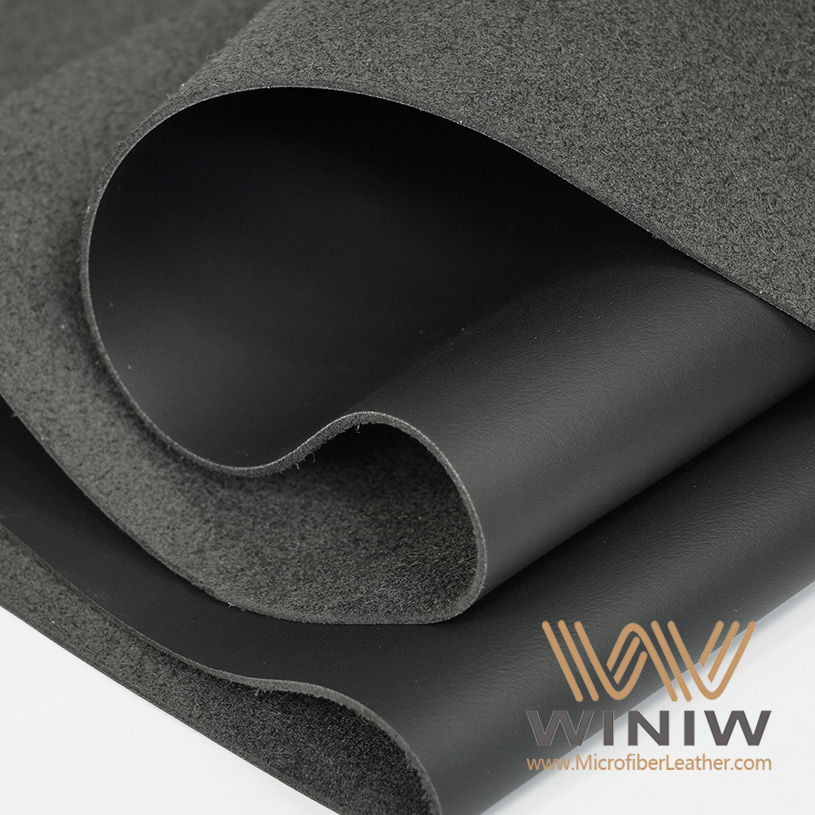
You see that the construction of automotive interior trim involves several steps. Manufacturers often use leather on bolsters and fabric on cushions to balance comfort and cost. Skilled workers sand the edges to create a smooth finish. They bevel sharp angles for a rounded look. Burnishing seals the raw edges, sometimes with dye or paint, which boosts durability and appearance.
Automotive leather trim comes in various types. The table below shows the main types and their applications:
| Type of Leather | Key Traits | Applications |
|---|---|---|
| Suede | Fuzzy texture, delicate, requires special care. | Not commonly used in automotive. |
| Vinyl | Synthetic, non-porous, resistant to stains, less breathable. | Mass-market vehicles, easy to clean. |
| Semi-aniline | Low maintenance, long-lasting finish, less soft than aniline. | Luxury segment, common in cars. |
| Pigmented | Durable, minimal maintenance, covers surface defects with pigmentation. | Utility vehicles, convertibles. |
| Top-grain | Good balance of luxury and practicality, easier to clean. | Car seats and upholstery. |
| Nappa | Soft, luxurious feel, requires consistent care. | High-end vehicles. |
You notice that modern automotive leather trim uses advanced tanning and treatment methods. These improvements help maintain the quality and durability of leather upholstery, making it a preferred material for automotive interior trim.
Benefits of Automotive Leather Trim
Durability and Maintenance
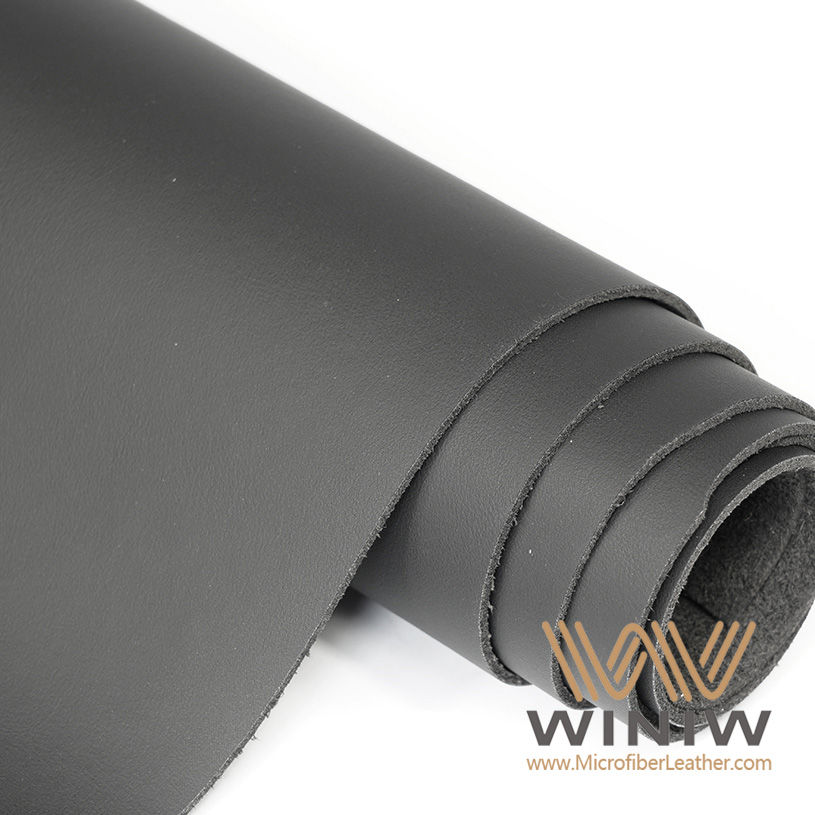
You notice that automotive leather trim stands out for its durability. When you compare automotive interior trim materials, leather lasts longer than fabric and leatherette. The table below shows how different materials perform under normal usage:
| Material | Lifespan Comparison |
|---|---|
| Automotive Leather | Generally longer lifespan than fabric |
| Fabric | Shorter lifespan, less durable |
| Leatherette | Better resistance but shows wear over time |
Automotive leather trim resists daily wear and exposure to sunlight. High-quality leather maintains its appearance and structural integrity for years. You can extend the life of leather upholstery by following simple maintenance practices. Here are some tips:
- Use a pH-balanced leather cleaner for gentle cleaning.
- Apply a high-quality leather conditioner regularly to keep the material supple.
- Protect your seats from sunlight by parking in shaded areas or using window shades.
You protect your automotive interior trim by cleaning and conditioning leather seats. This prevents fading, cracking, and drying out. Regular care ensures your leather upholstery retains its quality and looks new.
Comfort and Luxury Appeal
You experience a higher level of comfort with automotive leather trim. Leather upholstery feels soft and smooth, especially during long drives. Subaru’s leather seats, for example, provide extra comfort when you sit for extended periods. Heated steering wheels and premium sound systems further enhance your driving experience.
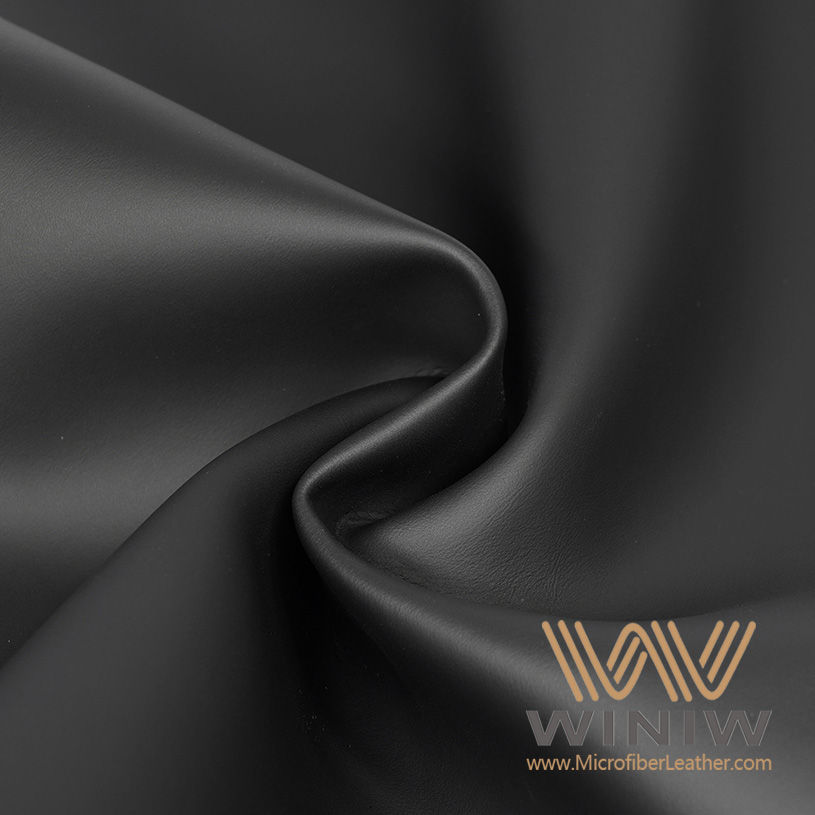
The luxury appeal of automotive leather trim comes from the texture and material quality. You sense depth and richness when you touch leather upholstery. High-quality materials and textural contrasts create an elegant and exclusive atmosphere inside your vehicle. Luxury brands use leather and soft-touch materials to improve sophistication and comfort. You form an emotional connection with your car leather interior because of the warmth, security, and prestige associated with leather.
Tip: Choosing automotive interior trim with leather upholstery elevates the aesthetic and sophistication of your vehicle. You notice the difference in both appearance and comfort.
Impact on Resale Value
You benefit from higher resale value when your vehicle features automotive leather trim. Vehicles with leather interiors typically see a resale value increase of 3% to 8% compared to those with fabric interiors. Used car buyers often rate leather-trimmed interiors as more desirable, especially for luxury brands. However, the condition of the leather, regional climate, and buyer preferences can affect desirability. In temperate regions, leather remains a sought-after feature, while in humid or hot areas, buyers may prefer other materials.
Automotive interior trim with leather upholstery commands a price premium in the used car market. You maximize your investment by maintaining the quality of your leather upholstery. Interior car trim with leather not only boosts resale value but also enhances the overall aesthetic and appearance of your vehicle.
Note: Proper care of your automotive leather trim ensures you enjoy both comfort and financial benefits when you decide to sell your vehicle.
Leather Trim vs. Other Materials
Leather vs. Fabric and Synthetics
When you compare automotive leather trim to fabric and synthetic options, you notice clear differences in comfort, durability, and maintenance. The table below highlights how each material affects your comfort during your drive:
| Material | Comfort Characteristics |
|---|---|
| Genuine Leather | Comfortable; stays cool in summer and warm in winter. |
| PU Leather | Less breathable; can feel hot in summer and cold in winter. |
| Fabric | Breathable; keeps seats cool in summer and warmer in winter. |
Real leather offers a premium material feel and develops a unique patina over time. Synthetic options, like PU or PVC-based leatherette, resist scratches and fading at first but may crack or peel with heavy use. Fabric seats provide consistent comfort and are less affected by temperature swings, making them a practical choice for many climates.
Choosing the Right Interior Material
Selecting the best automotive interior trim depends on your lifestyle, climate, and style preferences. If you have young children or pets, leather or leatherette trim resists spills and stains better than fabric. For cold climates, cloth or heated leather upholstery keeps you comfortable. In hot regions, ventilated leather or light-colored fabric helps maintain a pleasant interior. Always consider how the material complements your vehicle’s aesthetic and the purpose of automotive interior trim—balancing durability, comfort, and style.
Care Tips for Leather Trim
To care for automotive interior trim and preserve the quality of your car leather interior, follow these steps:
- Clean leather upholstery with a pH-balanced cleaner before conditioning.
- Condition every 3–6 months, or more often in hot or humid environments.
- Use recommended products like Leatherique Rejuvenator Oil and Prestine Clean.
- Park in shaded areas and use sunshades to protect from UV rays.
- Avoid harsh chemicals, which can damage the trim and cause discoloration.
Regular maintenance not only keeps your automotive trim looking new but also boosts the value of your vehicle. Well-maintained interior car trim creates a positive experience for you and future buyers.
You see that automotive leather trim transforms your car’s interior. Experts highlight its luxury, durability, and comfort.
- Leather trim resists wear and adds a premium look.
- Many believe leather is hard to maintain, but regular care keeps it looking new.
| Factor | Path Coefficient |
|---|---|
| Luxury | 0.652 |
| Softness | 0.305 |
Consider leather trim for lasting value and easy upkeep.
FAQ
What makes automotive leather trim different from other materials?
You notice that automotive leather trim offers a unique blend of durability and luxury. This trim feels softer and lasts longer than most other automotive interior trim materials.
How do you maintain leather car interiors for the best results?
You should clean the trim with a pH-balanced cleaner. Condition the trim every few months. This keeps your automotive interior trim looking fresh and prevents cracking.
Does leather trim increase the value of your vehicle?
You often see higher resale values with leather trim. Buyers prefer automotive interior trim that looks premium. Well-maintained leather car interiors can boost your vehicle’s overall appeal.