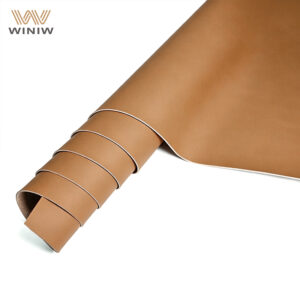
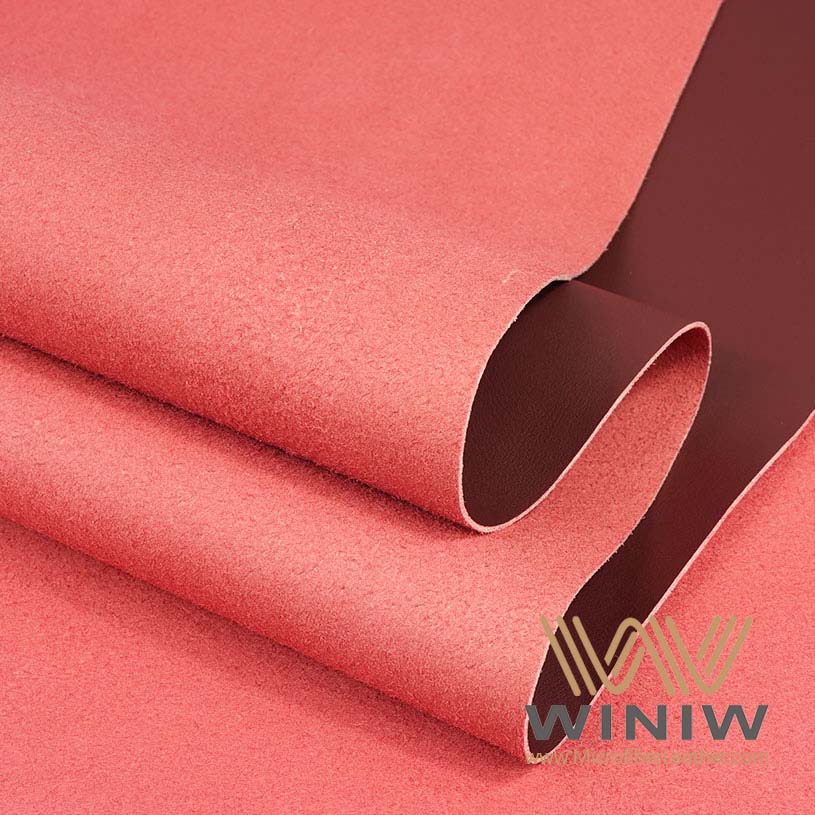
You see automotive leather trim in many modern vehicles because it adds a classic look and refined luxury to any vehicle. Drivers like you choose this popular option is leather trim for its appearance, appeal, and comfort. Upgraded interior materials like leather provide a smooth feel and enhance the interior materials. Heated and ventilated features offer year-round comfort, while smart technology brings safety and convenience. These benefits make automotive leather trim a top choice for those seeking luxury and a high resale value.
Discovering Automotive Leather Trim and Its Benefits
- Automotive leather trim enhances your vehicle’s interior with luxury and comfort. It provides a smooth feel and a refined look that many drivers appreciate.
- Choosing leather trim can increase your car’s resale value. Buyers often prefer vehicles with leather interiors, making them more attractive in the used market.
- Regular maintenance is key to preserving leather trim. Clean it with a damp cloth and apply conditioner every few months to keep it looking fresh and prevent damage.
What Is Automotive Leather Trim?
Key Features and Appeal
You notice automotive leather trim in vehicles because it combines both aesthetic and functional benefits. Automotive leather trim is a material that manufacturers use to enhance the look and feel of your car’s interior. You experience a refined appearance and a luxurious touch when you sit in a car with leather upholstery. The purpose of automotive interior trim is to create a comfortable environment and add premium finishes that elevate your driving experience.
Automotive leather stands out from other materials due to its durability and resistance to wear. You benefit from its unique properties:
- Automotive leather is stiffer and designed to withstand UV rays and abrasions.
- The tanning process uses less fat liquor, making the hide stronger and less likely to stretch.
- You get more UV protectants and additives for durability, which helps prevent color fading.
Many automakers claim their vehicles have ‘leather seats’ when they are actually made of bonded leather, which is a common misconception. Some manufacturers use real leather for the seating surface, but the sides and back are often made of synthetic materials, which can lead to long-term issues.
You see a wide range of color and texture options in 2026. Nature-inspired greens, warm neutrals, muted blues, and soft pastels are popular choices. Matte textures and caramel or tan shades offer rich style. Beige gives a clean and upscale look, while burgundy adds sporty boldness. Navy blue brings cool-tone sophistication, and two-tone interiors allow you to personalize your interior car trim.
Automotive manufacturers now focus on sustainable sourcing. You find recycled and synthetic leathers that combine luxury with environmental responsibility. Companies collaborate with suppliers who adopt eco-friendly practices and explore synthetic alternatives. Hyundai Motor Company develops bio-based faux leather using grain proteins to mimic animal leather and reduce environmental impact. Vegetable tanned leather is gaining popularity because it minimizes harmful chemicals in automotive trim production.
Luxury vehicles are shifting toward synthetic materials due to environmental concerns and changing consumer preferences. Brands like Jeep lead this trend, as over 60% of new car buyers under 40 consider environmental impact when choosing a vehicle. Luxury brands such as BMW and Mercedes still offer leather at a premium price, reflecting a divide in expectations between luxury and non-luxury segments.
Where It’s Used in Cars
You encounter automotive leather trim in several areas of your vehicle. Manufacturers apply it to seats, door panels, dashboards, and sometimes steering wheels. You enjoy the comfort and style that leather brings to these surfaces. Automotive interior trim also includes armrests and center consoles, where you touch and interact with the material most often.
| Area | Typical Material Used | Purpose |
|---|---|---|
| Seats | Leather, synthetic leather | Comfort, luxury, durability |
| Door panels | Leather, upholstery | Aesthetic, premium finishes |
| Dashboards | Leather, synthetic leather | Style, functional benefits |
| Steering wheels | Leather | Grip, comfort, premium feel |
| Armrests/Consoles | Leather, upholstery | Comfort, durability |
You see automotive leather trim used to create a cohesive and upscale look throughout the cabin. The purpose of automotive interior trim is to provide both visual appeal and practical benefits. You appreciate how premium finishes and quality materials improve your driving experience and add value to your vehicle.
Benefits of Automotive Leather Trim
Comfort and Luxury
You experience a new level of comfort when you choose automotive leather trim for your vehicle. This material transforms your driving environment by offering a plush and elegant feel. Many drivers prefer leather because it creates an upscale atmosphere and adds value to the car. You notice the difference during long drives, as the soft texture allows you to relax and enjoy the journey.
Here are some reasons why you benefit from leather in automotive interior trim:
- Leather upholstery gives your car a high-quality, sophisticated look.
- The smooth surface feels gentle and comfortable, making every ride enjoyable.
- You find it easy to clean, which helps you keep your interior car trim looking fresh.
- Leather resists odors and stains, so your cabin stays inviting over time.
- The material reduces trapped dust and allergens, supporting a healthier space.
Tip: Regular cleaning with a damp cloth keeps your automotive interior trim in top condition.
Resale Value and Durability
You protect your investment when you select automotive leather trim. Most buyers look for vehicles with leather interiors, which makes your car more attractive in the used market. While you may not recover the full cost of installation, you often receive higher offers compared to cars with fabric seats. Leather signals attentive ownership and a higher trim level.
Automotive interior trim made from leather also stands out for its durability. The following table shows how different stresses affect the material over time:
| Stress Type | Effect on Durability | Observations |
|---|---|---|
| Mechanical Stress | Minimal impact | Maintains antibacterial properties and structure. |
| Thermal Stress | Minimal impact | Keeps performance and appearance stable. |
| Solar Aging | Some reduction | UV exposure can cause changes, but less than fabric. |
You see that leather maintains its aesthetic appeal and value longer than most fabrics. Proper care helps you preserve the look and function of your automotive interior trim for years.
Types of Automotive Interior Trim
Genuine vs Synthetic Leather
You face a choice between genuine leather and synthetic leather when selecting automotive interior trim. Genuine leather, often made from cowhide, gives you a soft, breathable experience. You enjoy luxury and comfort, and many drivers appreciate the aroma and texture. Synthetic leather, also called leatherette, uses vinyl and plastic. You find it waterproof and easy to clean, but it feels less breathable.
- Genuine leather comes from animal hides. Synthetic leather relies on petroleum-based materials.
- Genuine leather is porous and comfortable, but stains easily. Synthetic leather is non-porous and resists spills, though it can trap heat.
- Genuine leather lasts longer but needs special care. Synthetic leather is easier to maintain but has a shorter lifespan.
- Genuine leather costs more. Synthetic leather fits budget-friendly vehicles.
- Genuine leather involves animal use. Synthetic leather avoids this, but uses fossil fuels.
You notice that vehicles with genuine leather often have higher resale values. Synthetic leather appeals to those who want easy maintenance and lower costs. Both types impact the environment. Real leather can biodegrade in about a year, while synthetic leather may persist in landfills for centuries.
| Material | Typical Decomposition Time | Landfill Impact |
|---|---|---|
| Real Leather | 10-12 months (industrial) | Biodegradable, less waste |
| Synthetic Leather | 200-500 years | Non-biodegradable, persistent waste |
Sustainable and Eco-Friendly Options
You see a shift toward sustainable choices in automotive interior trim. Manufacturers now use premium leather made from repurposed food industry by-products. This reduces waste and supports a circular economy. You benefit from innovations that maintain luxury and performance while lowering environmental impact.
- The market for sustainable automotive interior trim grows as consumers become more aware of environmental issues.
- Material science leads to bio-based and recycled leather alternatives.
- Electric vehicles drive demand for eco-friendly materials and improved interior car trim.
- Industry invests in animal-free and recycled options for upholstery.
- High costs limit genuine leather in mass-market vehicles, but sustainable alternatives offer new possibilities.
You find that both genuine and synthetic leather production can pollute water and air. Real leather lasts longer, but synthetic leather may end up in landfills sooner. Sustainable options help you enjoy comfort and style while supporting environmental responsibility.
Tip: Look for eco-friendly labels when choosing your next automotive interior trim. You help reduce waste and support innovation in the industry.
Trends in 2026
Smart Leather Technology
You see exciting changes in automotive interior trim as smart leather technology becomes more common. Manufacturers now use materials that offer heating, cooling, and touch-sensitive features. These smart surfaces replace traditional controls, letting you interact with your car through simple gestures or touches. You enjoy greater comfort and personalization, which makes every drive more enjoyable. Customizable smart surfaces, like those in Yanfeng’s Experience in Motion concept, create new ways for you to adjust your environment and feel more relaxed during autonomous rideshare trips.
You benefit from several advanced technologies in automotive interior trim:
| Technology Type | Description |
|---|---|
| AI-driven customization options | Lets you choose styles, textures, and features that match your preferences. |
| Smart textiles and embedded sensors | Regulates temperature, monitors health, and boosts comfort in your vehicle. |
| Advanced algorithms for supply chain | Improves efficiency and reduces waste during production. |
Sustainability and Market Growth
You notice a strong push for sustainable materials in interior car trim. Consumers demand eco-friendly products, and regulations require greener practices. The automotive trim parts market is expected to grow at a CAGR of 4.9% from 2025 to 2032. The market value will rise from US$46.4 billion in 2025 to US$64.4 billion by 2032.
Manufacturers respond to several trends:
- Growing consumer demand for eco-friendly products.
- Regulatory compliance pushing for sustainable practices.
- Innovations in material processing and design.
- Increased focus on premium aesthetics combined with sustainability.
You see these trends reflected in the materials used for automotive interior trim. Companies use recycled plastics, bio-based polymers, and natural fibers. Technological advancements allow for lightweight materials that improve fuel efficiency. Electric vehicles create new opportunities for sustainable and multifunctional materials. You benefit from high-quality, attractive interiors that also help protect the environment.
Care and Maintenance
Cleaning Tips
You keep your automotive leather trim looking its best by following a simple cleaning routine. Start by vacuuming with a soft brush attachment to remove loose dirt and debris. This step prevents scratches and prepares the surface for deeper cleaning. Next, apply a leather cleaner designed for automotive interiors using a microfiber cloth or soft brush. After scrubbing, wipe down the leather with a damp cloth to remove any residue. Dry the seats thoroughly with a clean microfiber cloth to avoid moisture damage.
| Product Name | Description / Notes |
|---|---|
| P&S Leather Treatment | Cleans and conditions leather surfaces in automotive interiors. |
| Gyeon Leather Cleaner Natural | Mild cleaner for various leather types, maintains leather trim. |
| Optimum Protectant Plus | Protects leather from wear and aging. |
| Leatherique Rejuvenator Oil | Restores faded and neglected leather, keeps new leather in great condition. |
| Leatherique leather care line | Used by luxury brands, works on natural and synthetic leathers, leaves leather feeling natural. |
Tip: Avoid scrubbing too hard, skipping conditioning, or using household cleaners. These mistakes can damage leather and strip away natural oils.
Longevity Advice
You extend the life of your automotive leather trim by practicing regular maintenance. Apply a quality leather conditioner every 3 to 6 months, or more often in hot, dry climates. Use a microfiber cloth in a circular motion for even coverage. Choose a conditioner with UV protection to shield your seats from sun damage. Tidy up spills as soon as they happen to prevent stains. Park under shade or use car covers to protect from extreme weather.
- High temperatures cause drying and cracking.
- Cold weather makes leather stiff and brittle.
- Humidity can lead to mold and sticky surfaces.
Develop a routine that includes weekly dusting, monthly deep cleaning, and quarterly conditioning. Consider professional cleaning for restoration if needed. Regular care prevents cracks, fading, and wear, keeping your interior trim comfortable and attractive.
You gain luxury, comfort, and advanced features with automotive leather trim. The market continues to grow, reaching $5.32 billion in 2026.
| Feature | Leather Trim | Leatherette |
|---|---|---|
| Luxury Appeal | High | Moderate |
| Customization Options | Limited | Extensive |
- Eco-friendly options and smart technologies enhance your driving experience.
- Many drivers praise the quality and fit of modern leather interiors.
Consider automotive leather trim for your next vehicle to enjoy these lasting benefits.
FAQ
How do you clean automotive leather trim?
You use a soft brush and a leather cleaner. Wipe with a microfiber cloth. Avoid harsh chemicals. Condition the leather every few months for best results.
Does leather trim increase your car’s resale value?
You often see higher resale prices for cars with leather trim. Buyers view leather as a premium feature. Proper care helps maintain value.
Can you repair scratches in automotive leather trim?
You fix minor scratches with a leather repair kit. Deep damage may need professional restoration. Regular conditioning prevents cracks and keeps leather looking new.