Definition & Texture
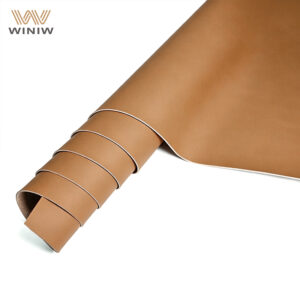
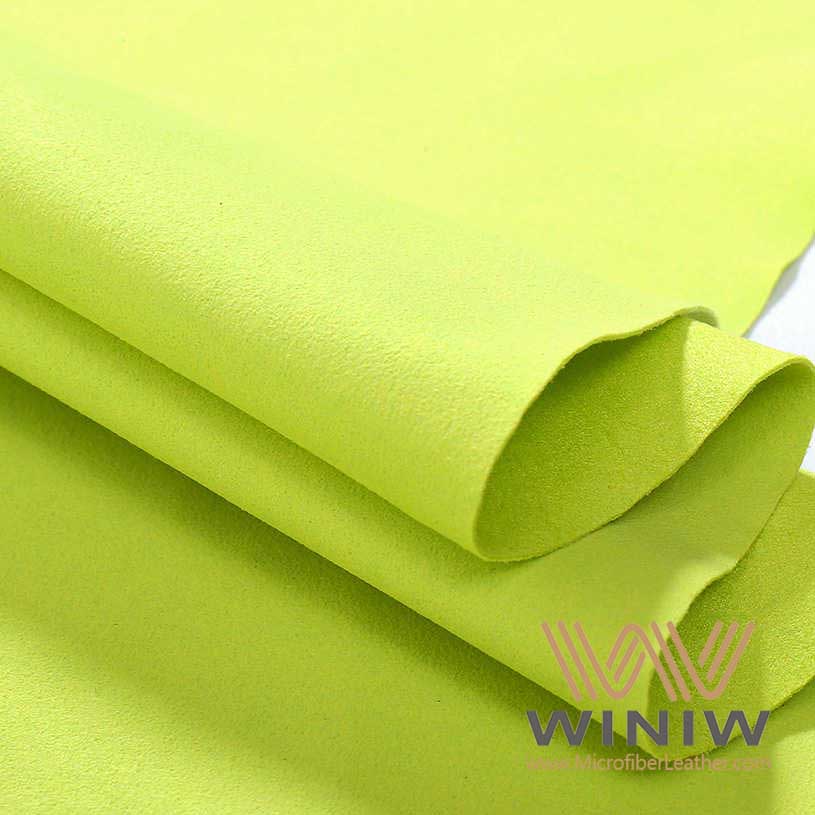
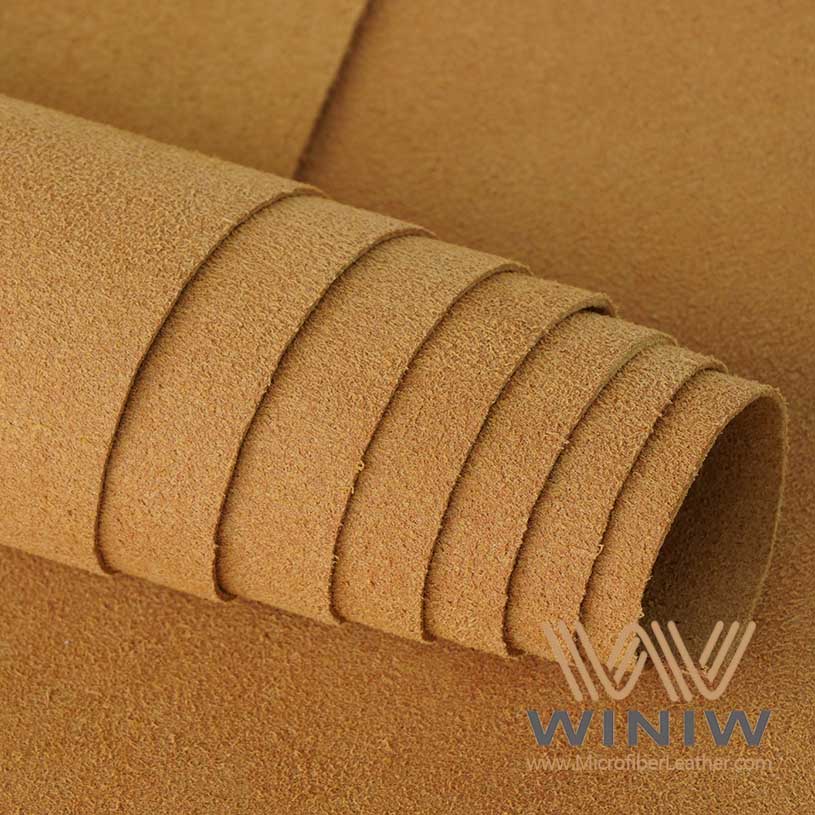
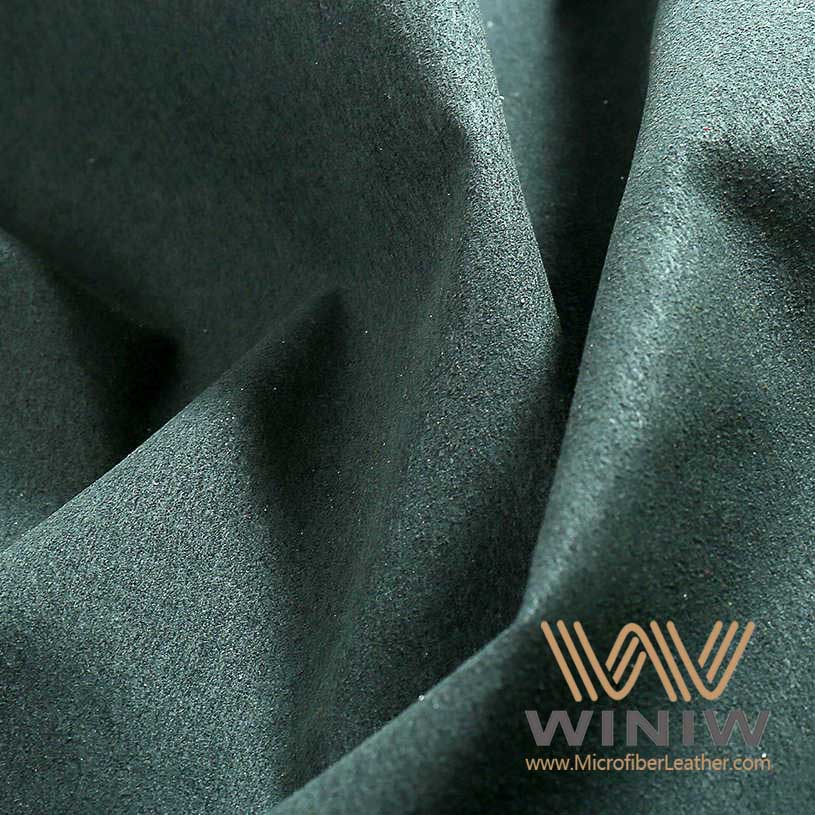
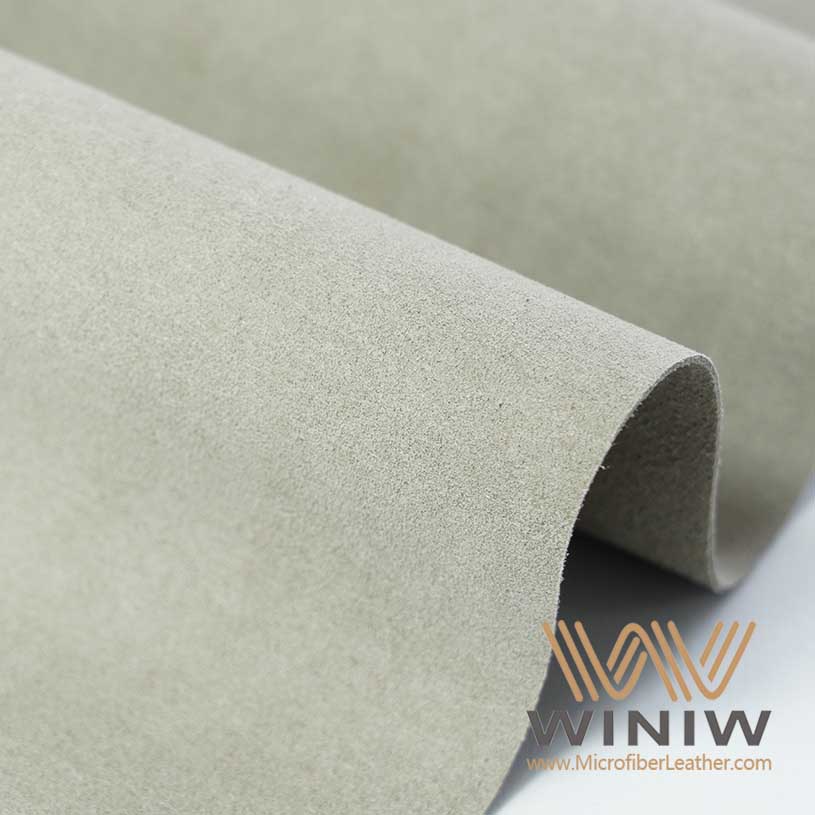
You recognize suede lining fabric by its signature napped finish and plush surface. This material comes from the underside of animal hides or is engineered from synthetic fibers to mimic the same tactile qualities. The softness you feel when touching suede fabric sets it apart from other linings, making it a favorite for items that rest against your skin or require a touch of luxury.
Suede is defined as a type of leather made from the inner surface of animal hides, which gives it a soft, fibrous texture. The texture of suede is distinct from other lining fabrics, such as leather, which has a smooth, shiny surface.
When you examine suede fabric, you notice several unique characteristics:
- Soft Texture – Suede is known for its exceptionally soft texture, providing a plush, velvety feel.
- Durability – It is durable when properly maintained, crafted from tightly woven natural fibers.
- Breathability – Suede is naturally breathable, allowing air circulation and enhancing comfort.
- Cost-Effectiveness – It is generally more affordable compared to other high-end leathers.
- Maintenance Challenges – Suede requires high maintenance due to its susceptibility to stains and dirt.
The softness and breathability of suede fabric make it ideal for shoes, bags, and jackets. You experience comfort and style, but you must also care for it to maintain its appearance.
Materials: Genuine vs. Synthetic
You encounter two main types of suede fabric: genuine suede and synthetic suede. Genuine suede comes from animal hides, most often lamb, goat, deer, or calf. The origin of the hide affects the quality, with lamb skin being the most common and desirable due to its softness and fine grain.
- The main animal sources for genuine suede are lamb skin, goat, deer, and calf.
- Lamb skin is the most common source of suede.
- The quality of suede is influenced by the animal’s age and the tanning process, with mature cow hides being less desirable.
Genuine suede offers natural softness and breathability. When properly treated, it resists fading and works well in moderate sunlight. However, you may find that synthetic suede, made from polyester fibers, often outperforms genuine suede in durability. Manufacturers enhance synthetic suede with UV inhibitors and protective finishes, making it more resistant to wear, stains, and color fading. Synthetic options can also include Spandex for stretch and come in a wider range of colors.
Genuine suede is strong and resistant to fading when properly treated, making it suitable for moderate sun exposure. In contrast, synthetic suedes are often enhanced with UV inhibitors and protective finishes, extending their lifespan and preserving color vibrancy, especially in high-traffic or sunlit areas. Overall, synthetic suede tends to outperform genuine suede in durability, despite the latter’s natural beauty and breathability.
Genuine suede is derived from animal hides, providing natural softness and breathability, while synthetic suede is made from polyester fibers designed to replicate the texture of genuine suede. Synthetic options often incorporate Spandex for added stretch and come in a broader spectrum of colors. In terms of durability, synthetic suede has shown significant advancements, often surpassing genuine suede in wear resistance, stain resistance, and ease of maintenance.
You should also consider the environmental impact of both types of suede fabric. Producing genuine suede lining fabric has significant environmental impacts due to livestock farming, which contributes to greenhouse gas emissions, deforestation, and water pollution. The tanning process for genuine suede often involves harmful chemicals like chromium, leading to soil and water contamination. In contrast, synthetic suede, while avoiding animal agriculture, relies on fossil fuels and contributes to microplastic pollution. Both types of suede have distinct environmental concerns stemming from their production processes.
Manufacturing Process
You can better appreciate suede lining fabric by understanding how it is made. The process differs for genuine and synthetic types of suede fabric.
For genuine suede:
- Acquisition: The tanner procures animal hides, typically lamb, but alternatives like deer, goat, and calf are also used.
- Curing: The hide is cured with salt and air-dried to prevent biodegradation.
- Washing: The cured hide is washed and soaked in water to prepare it for further processing.
- Liming: The hide is soaked in calcium hydroxide to remove excess hair and flesh, softening it for splitting.
- Splitting: The softened hide is cut into layers, with the upper layer reserved for full-grain leather and the lower for suede.
- Napping: The split layer is mechanically sanded to raise the nap, giving suede its soft texture.
- Dyeing: Aniline dyes are used to color the suede, taking advantage of its porous nature.
- Finishing: After dyeing, the nap is brushed for a smooth finish, and a protective coating may be applied.
For synthetic suede:
- Fiber Production: Faux suede is made from 100% synthetic polymer, primarily polyester.
- Fiber Dyeing: Polyester microsuede threads are dyed to create appealing colors, preferably at the thread level.
- Yarn Production: Dyed fibers are spun into yarn without chemicals, using spinning oils for strength.
- Fabric Production: High-quality microsuede fabric is produced by selecting polymer threads similar to genuine suede.
- Finishing Treatments: A coarse brush is used to create a fuzzy texture, enhancing the aesthetic appeal of the finished fabric.
Recent innovations in the production of suede fabric have improved both quality and sustainability. You benefit from advancements such as microfiber fineness, precision weaving, and eco-friendly methods. These innovations result in softer, more consistent, and environmentally safer suede lining fabric.
| Innovation Area | Benefit | Impact on Micro Suede Leather |
|---|---|---|
| Microfiber Fineness | Softer, smoother texture | Enhanced comfort and appearance |
| Precision Weaving | Consistent structure | Reliable quality and performance |
| Automation | Efficient, error-free | Higher production standards |
| Eco-Friendly Methods | Less waste, safer chemicals | Sustainable, safe fabric |
You also see a range of prices for different types of suede fabric. The table below shows the current market prices:
| Type of Suede | Price Range (per yard) |
|---|---|
| Genuine Leather | $25–$60 |
| Natural Lambskin Suede | $25–$50 |
| Goatskin Suede | $20–$40 |
| Cowhide Suede | $15–$30 |
| Synthetic Microsuede | $8–$20 |
| Ultrasuede® | $30–$60 |
When you choose suede lining fabric, you may also look for certifications such as Fairtrade, Global Organic Textile Standard (GOTS), and OEKO-TEX. These standards help ensure ethical sourcing and safe production practices.
Suede fabric, whether genuine or synthetic, offers you a unique combination of softness, durability, and style. By understanding the differences in materials and production, you can make informed choices for your projects and products.
What Is Suede Used For: Main Applications & Benefits
Uses in Fashion & Accessories
You see suede lining fabric used widely in the fashion industry. Designers choose it for its soft touch and luxurious appearance. When you look at high-end footwear, such as loafers, trainers, heels, flats, and Chelsea boots, you often find suede lining inside. This material also lines handbags, backpacks, belts, and wallets, giving these accessories a premium feel. You might notice suede in classic glove linings and upscale hats like fedoras and berets.
Here are some common uses of suede in fashion and accessories:
- Bags and handbags
- Wallets and belts
- Luggage lining
- Hats and gloves
- High-end footwear
- Luxury linings for jackets and blazers
You also find suede lining fabric in interior car accessories and furniture details. Its soft texture and breathability make it a favorite for items that touch your skin or require a touch of elegance.
Uses in Upholstery & Outerwear
You encounter suede lining fabric in many upholstery and outerwear applications. Furniture makers use it for interior car seats and home furniture accessories, adding comfort and style to sofas, chairs, and cushions. In outerwear, you see suede linings in jackets, blazers, bombers, and even pants. Designers often select suede for high-end winter collections because of its insulation properties.
Suede stands out in outerwear for several reasons. It feels light and breathable, so you stay comfortable in both hot and cold weather. Its porous structure allows for easy dyeing, which means you can choose from a wide range of colors. The insulation provided by suede makes it a practical choice for winter clothing items, keeping you warm without adding bulk.
Benefits & Drawbacks
When you consider what is suede used for, you should weigh its advantages and disadvantages. Suede fabric offers several benefits:
- Soft texture provides comfort in clothing and accessories.
- Unique appearance and texture add depth to fashion and home decor.
- Versatility allows use in clothing, footwear, accessories, and home decor.
You enjoy the luxurious feel of suede, especially in items that touch your skin. The fabric brings style and a sense of luxury to any product. However, you must also consider the drawbacks. Suede is less durable than other lining materials, such as nubuck. It can rip or wear out quickly under heavy use. The fabric is delicate and prone to water damage and staining, which can lead to discoloration and shrinkage. Proper care is essential, as suede traps dirt, oil, and moisture easily.
The table below shows how different types of suede compare in durability:
| Type of Suede | Durability Characteristics |
|---|---|
| Cowhide | Extremely durable, suitable for heavy-duty applications. |
| Goatskin | Balances softness and toughness, ideal for gloves and shoes. |
| Lambskin | Soft and lightweight, requires careful handling and maintenance. |
You should also note that the market now favors synthetic alternatives for their affordability and ease of care. Synthetic suede often appears in automotive interiors and high-end fashion, reflecting a shift in consumer preferences.
Care & Maintenance
To keep your suede lining fabric looking its best, you need to follow specific care steps. Regular maintenance helps prevent stains and damage. Here are some practical tips:
- Brushing: Use a soft-bristled suede brush to remove dust and debris. Always brush in one direction.
- Vacuuming: For larger areas, use a vacuum with a soft brush attachment on low suction.
- Spot Cleaning: Blot stains with a clean cloth and use a suede cleaner for specific spots.
- Stain Repellent: Apply a suede stain repellent to create a protective barrier against spills.
- Proper Storage: Store suede items in a cool, dry place. Avoid folding or creasing them.
Tip: Always keep suede away from liquids. Use coasters and placemats to protect suede furniture from spills.
For long-term storage, make sure your items are clean. Use cotton or canvas bags to prevent mildew and dust. Avoid plastic, as it can trap moisture and cause yellowing.
You can also protect suede by applying a fabric protector spray. This creates a hydrophobic barrier, making the fabric nearly waterproof. Reapply the spray every 1-3 months, depending on how often you use the item. For jackets, reapply every 4 weeks for maximum protection. Avoid wearing suede in rain or direct sunlight to prevent damage.
When choosing suede for your project, look for fine, even grain and a uniform nap. The suede should feel flexible and bend without cracking. Match the type of suede to your specific needs for the best results.
By following these care tips, you can enjoy the comfort, style, and luxury of suede lining fabric in your clothing and accessories for years to come.
You now know suede lining fabric stands out for its soft texture and versatility.
- Suede comes from animal skins and appears in shoes, jackets, and handbags.
- You must care for suede, as it is delicate and not ideal for outdoor use.
| Benefit | Description |
|---|---|
| Aesthetic Appeal | Soft, matte finish enhances visual richness |
| Tactile Comfort | Feels exceptionally soft on your skin |
| Versatility | Works in many industries and products |
| Sustainability Potential | Eco-friendly and synthetic options available |
The production of suede uses much water and energy. Chemicals in tanning can harm the environment. You should consider these impacts before choosing suede.
You can learn more about suede from articles by Carl Friedrik and Von Baer.
- These sources cover types, care, and the rise of synthetic alternatives.

FAQ
What is faux suede, and how does it differ from real suede?
You find faux suede made from synthetic fibers. It mimics real suede’s soft texture. Faux suede resists stains better and costs less. You avoid animal products when you choose faux suede.
Can you use faux suede for upholstery and clothing?
You can use faux suede for both upholstery and clothing. Faux suede offers durability and easy cleaning. You enjoy a soft feel and a stylish look in many products.
How do you clean and maintain faux suede items?
You clean faux suede by brushing with a soft brush. For stains, you use a damp cloth. Faux suede dries quickly. You avoid harsh chemicals to keep faux suede looking new.
Tip: Always test cleaners on a small area of faux suede before full use.
| Faux Suede Care Step | Description |
|---|---|
| Brushing | Removes dust and keeps nap smooth |
| Spot Cleaning | Handles spills and minor stains |
| Air Drying | Prevents water spots on faux suede |