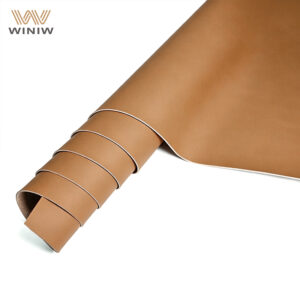
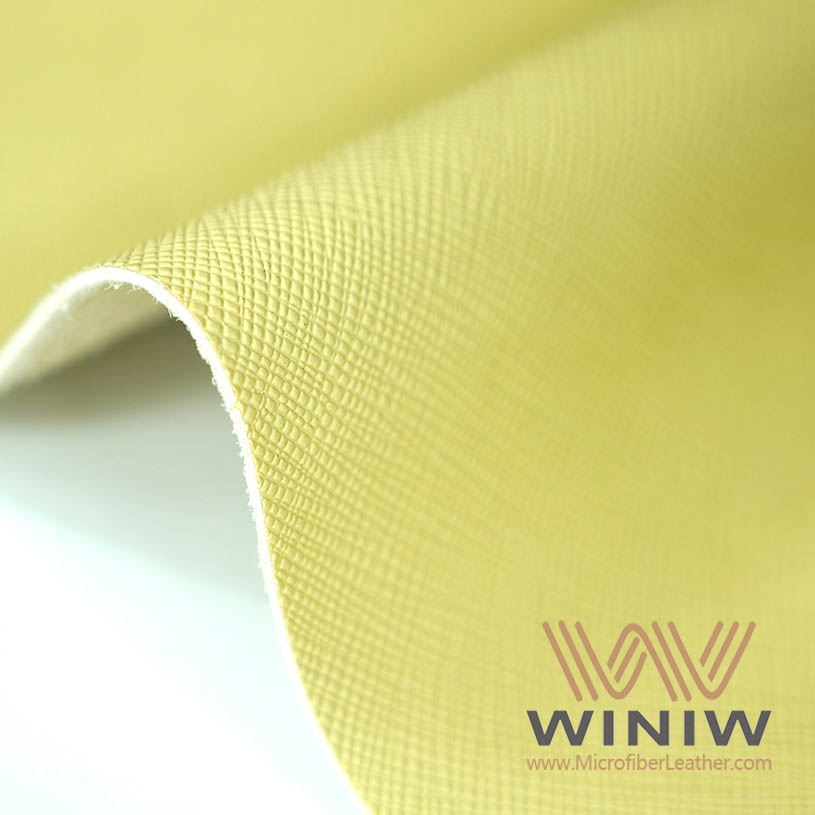
A car trim cover protects the parts of your car interior trim that you see and touch every day. Imagine getting into your car and noticing the faded or scratched trim around your dashboard or doors. This can make the whole car feel older and less comfortable. When you add a car trim cover, you refresh the look and feel of your car interior trim, making every drive more pleasant. These covers shield your trim from sunlight, moisture, and constant use. Good care of your car interior trim also helps your vehicle keep its value.
- The condition of your trim and the options you choose can affect how much your car is worth when you trade it in.
- Model popularity, demand, and market rates also play a role in resale value.
Car Trim Covers Explained for Everyday Drivers
- Car trim covers protect your vehicle’s interior, keeping it looking new and comfortable.
- Choosing the right trim cover enhances your car’s aesthetics and can increase its resale value.
- Regular maintenance of your trim covers prevents damage and preserves your car’s value.
- Select trim covers that match your style and needs for a personalized driving experience.
- Investing in quality materials ensures durability and comfort for your daily drives.
What Is a Car Trim Cover?
Car Interior Trim Basics
When you step inside your car, you notice many surfaces that make up the interior car trim. These include the dashboard, door panels, seat edges, steering wheel, and even the gear shift. The automotive interior trim covers the parts you see and touch most often. These surfaces do more than just fill space. They help create the style and comfort you experience every time you drive.
A car trim cover fits over these areas to protect and refresh them. Unlike other interior car accessories, which often focus on storage or safety, a car trim cover mainly improves the look and feel of your vehicle. For example, leather steering wheel covers or seat trims add a touch of luxury and make your car more inviting. You choose trim covers to match your taste and to keep your car interior trim looking new.
Tip: If you want your car to feel more personal and comfortable, start by updating the trim. Small changes can make a big difference in your daily driving experience.
Functions and Benefits
Car trim covers do more than just look good. They serve several practical functions that help you enjoy your car for longer. Automotive experts highlight these main benefits:
- Enhance vehicle safety by absorbing shocks and protecting you during collisions.
- Improve comfort and soundproofing by reducing road noise and vibrations inside the cabin.
- Ensure durability by shielding your car from harsh weather and physical damage.
- Provide aesthetics through stylish designs and customizable elements.
You also gain extra comfort and protection from high-quality trim covers. Here are some key benefits:
- Temperature control: Seat covers help keep you comfortable by insulating against hot or cold surfaces.
- Moisture management: Breathable materials wick away sweat and allow air to circulate, so you stay cool and dry.
- Ergonomic support: Good covers offer cushioning that supports your back and reduces fatigue on long drives.
- Protection: Trim covers guard the original upholstery against wear, spills, and sun damage, helping your car keep its value.
When you choose the right car trim cover, you combine practical function with aesthetics. You protect your investment and enjoy a more pleasant ride every day. The right automotive interior trim can make your car feel new again, while also making sure it stands up to daily use.
Why Automotive Interior Trim Matters
Aesthetics and Comfort
You notice the difference when you step into a car with a well-designed interior car trim. The materials, colors, and finishes create a stylish appearance that makes your car feel inviting. Car trim covers help you customize your space, matching your taste and improving the overall appearance. You can choose from a range of textures and colors, so your car reflects your personality.
A high-quality automotive interior trim does more than look good. It adds comfort to every drive. Features like ergonomic seating, plush fabrics, and thoughtful material choices make long trips more enjoyable. Many cars now include adjustable seats with memory functions, lumbar support, and even heated or ventilated surfaces. These details transform your driving experience.
- Automotive interior trim includes dashboards, door panels, and seat trims that enhance aesthetics, comfort, and functionality.
- The use of diverse materials such as plastics, leather, and fabric contributes to the overall design and durability of the vehicle’s interior.
- Advanced features like ambient lighting and soundproofing improve user satisfaction and enhance the driving experience.
A study by J.D. Power and Associates shows that owners who do not report any interior design problems have a satisfaction score of 8.1 out of 10. Those who report at least one issue score much lower. Over half of new-vehicle buyers say interior comfort is a top priority.
Protection and Value
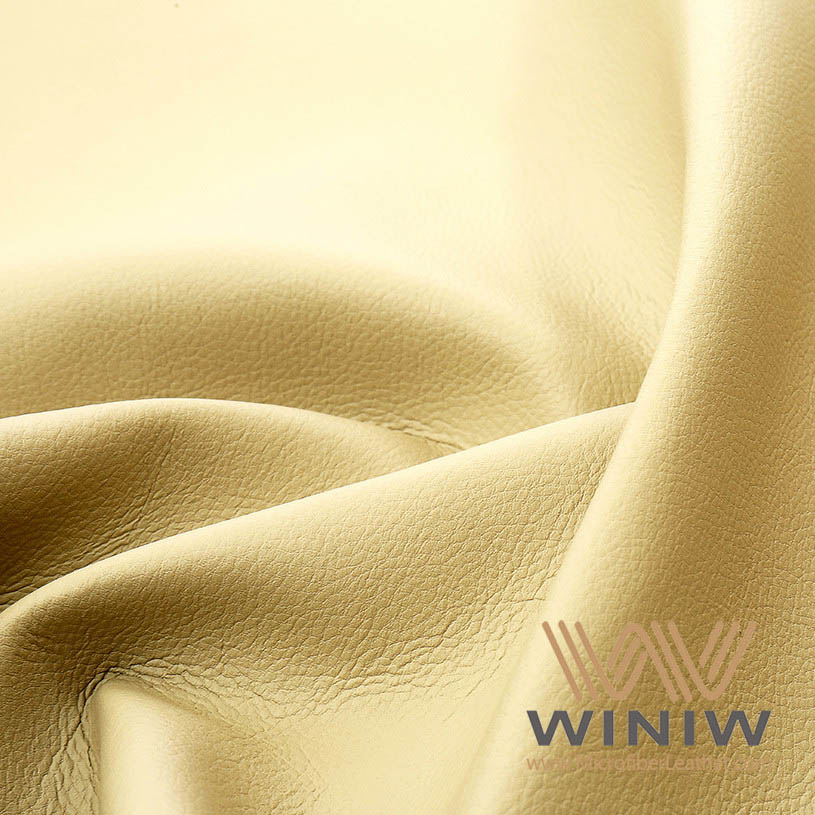
Automotive interior trim does not just focus on looks. It also protects your car and helps keep its value high. A car trim cover shields your interior car trim from daily wear, spills, and sun damage. This practical function keeps your car interior trim looking new for longer.
- UV protection blocks harmful rays and prevents fading.
- Heat resistance lowers interior temperatures.
- Breathable materials avoid moisture buildup and mold.
- Waterproofing shields your trim from rain and storms.
When you maintain your trim, you protect your investment. Well-kept trim helps your car hold its value if you decide to sell or trade it in. You also enjoy a cleaner, fresher cabin every day. The right trim choices combine aesthetics with durability, giving you both comfort and long-term value.
Types of Automotive Interior Trim
Common Trim Cover Types
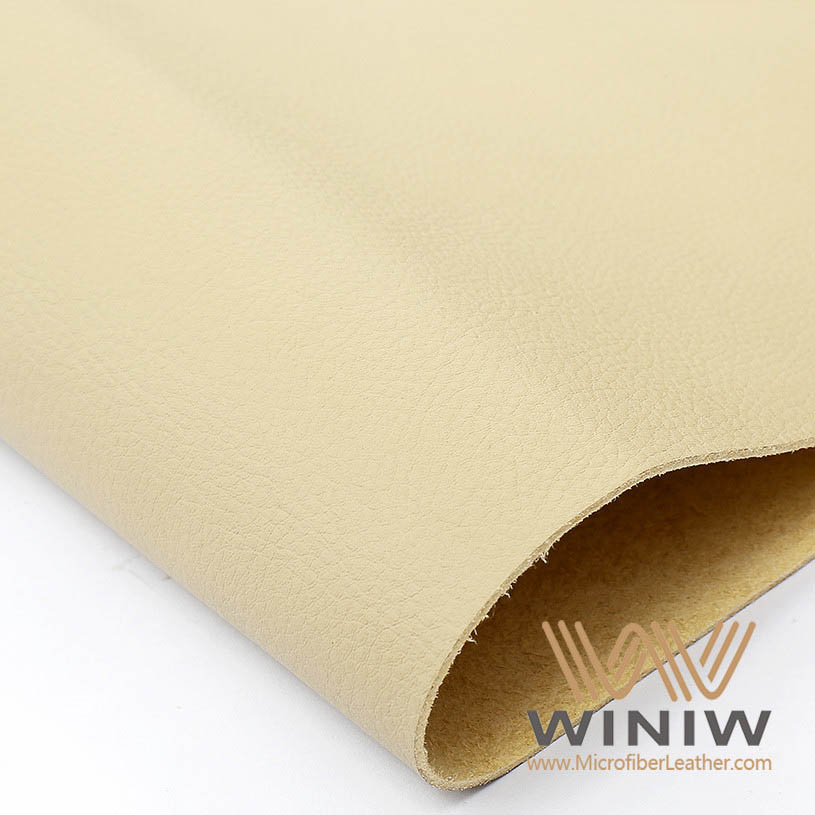
You see many different types of automotive interior trim every time you get into a car. These include seat covers, dashboard trims, door panel covers, steering wheel wraps, and gear shift boots. Each type serves a unique purpose. Seat covers protect your seats from spills and wear. Dashboard trims add style and shield surfaces from sun damage. Door panel covers help prevent scratches and scuffs. Steering wheel wraps improve grip and comfort. Gear shift boots keep the area clean and add a touch of style.
When you look at the market, you find a wide range of materials used for these trim covers. Here is a quick overview:
| Material Type |
|---|
| Plastics |
| Composites |
| Metals |
| Leather/Fabric |
| Others |
You can choose from these options based on your needs and preferences. The right car trim cover can make your car interior trim look new and feel more comfortable.
Materials and Their Pros & Cons
You have many choices when it comes to interior trim materials. Each material offers its own benefits and drawbacks. Here are some of the most common options:
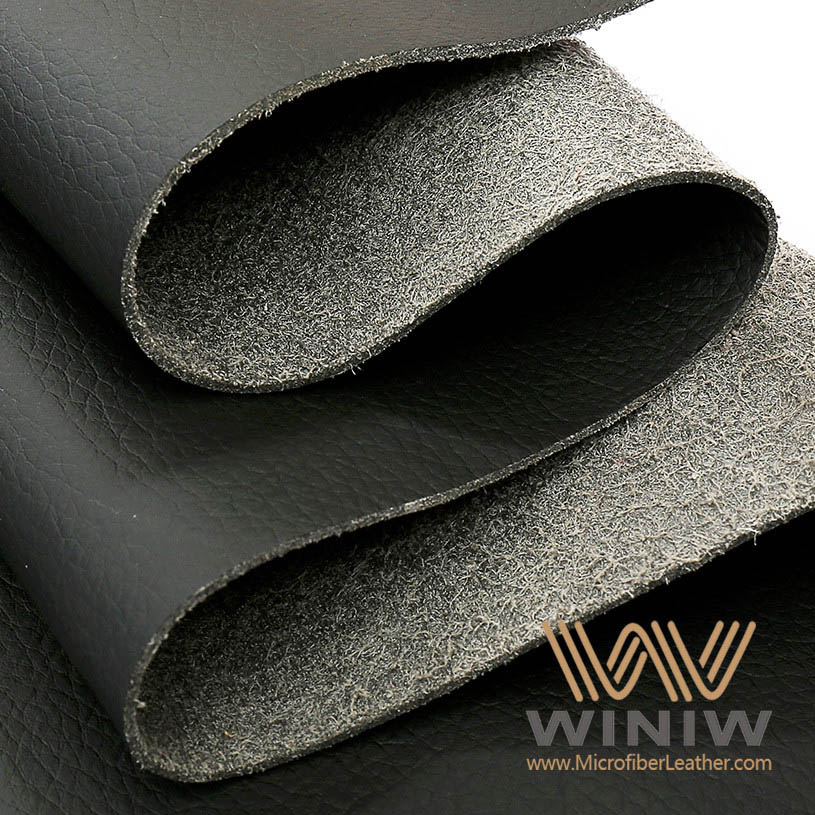
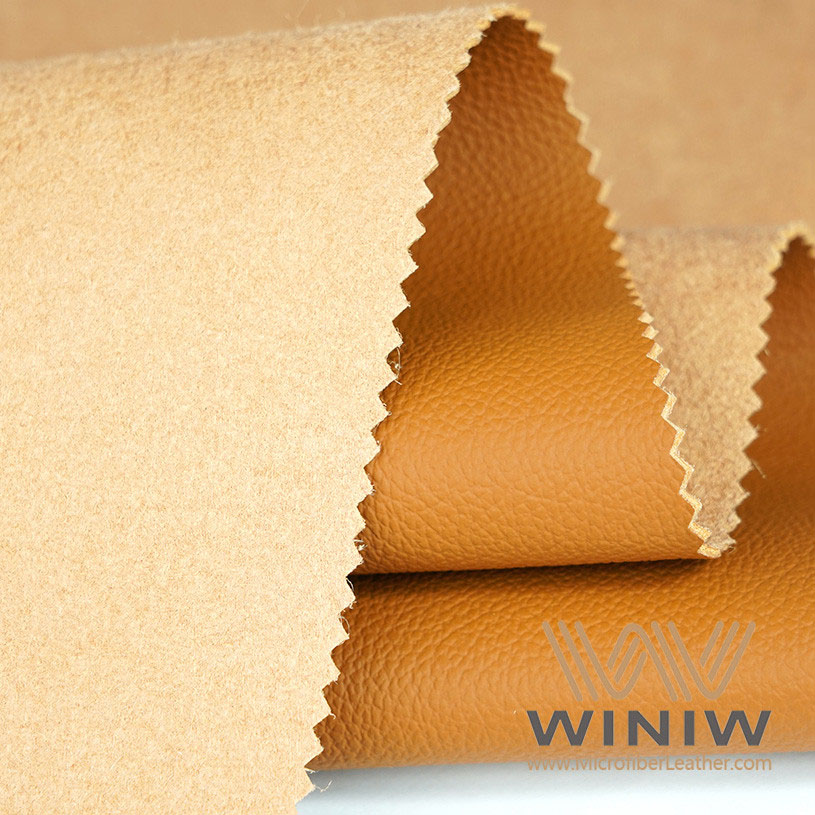
- Leather: Used for steering wheels, seat covers, and glove compartments. Leather trim feels soft and looks elegant.
- Vinyl and faux leather: These cost less than real leather and are easy to clean.
- Fabric: Often found on ceilings, cup holders, and floor mats. Fabric adds comfort but can stain easily.
- Suede: Soft and stylish, often used for steering wheel covers and seat cushions.
- Wood: Adds a classic look to door panels and dashboards.
To help you compare, check out this table:
| Material | Advantages | Disadvantages |
|---|---|---|
| Leather | Luxurious, durable, easy to clean | Needs care, expensive, found in high-end models |
| Faux Leather | Looks like leather, affordable, easy to clean | Less durable, wears out faster |
| Polyester/Nylon | Cheap, strong | Hard to clean, fades in sun, scuffs easily |
| Vinyl | Easy to maintain, resists stains and odors | Gets hot in sun, can feel uncomfortable |
Many new types of automotive interior trim now use sustainable materials, recycled composites, and advanced coatings. These innovations help protect your trim from UV rays and daily wear. When you pick from the different types of automotive interior trim, think about how each material will look, feel, and last in your car. Choosing the right interior trim materials can give you a luxurious leather finish or a practical, easy-to-clean surface. The best automotive interior trim matches your lifestyle and keeps your car looking great.
Choosing and Maintaining Car Trim Covers
Selection Tips
Selecting the right car trim cover helps you achieve a premium appearance and long-lasting protection. You want to match your car interior trim with covers that fit well and enhance your vehicle’s stylish appearance. Consider these steps when choosing:
- Understand your wheel size and the dimensions of your trim. Accurate measurements ensure a snug fit.
- Choose interior trim materials that suit your needs. Stainless steel offers durability, while ABS plastic provides a budget-friendly option.
- Select a style that complements your car’s overall look. The right style can transform your automotive interior trim.
- Check the width and thickness of the cover. These factors affect both protection and how the trim looks.
- Review color options. Pick shades that match or contrast with your car for a unique touch.
- Look for easy installation. Some covers are DIY-friendly, while others may need professional help.
- Read customer reviews. Other drivers’ experiences can help you avoid common mistakes.
Tip: Always compare interior trim materials before buying. The right choice improves comfort and keeps your trim looking new.
Care and Maintenance
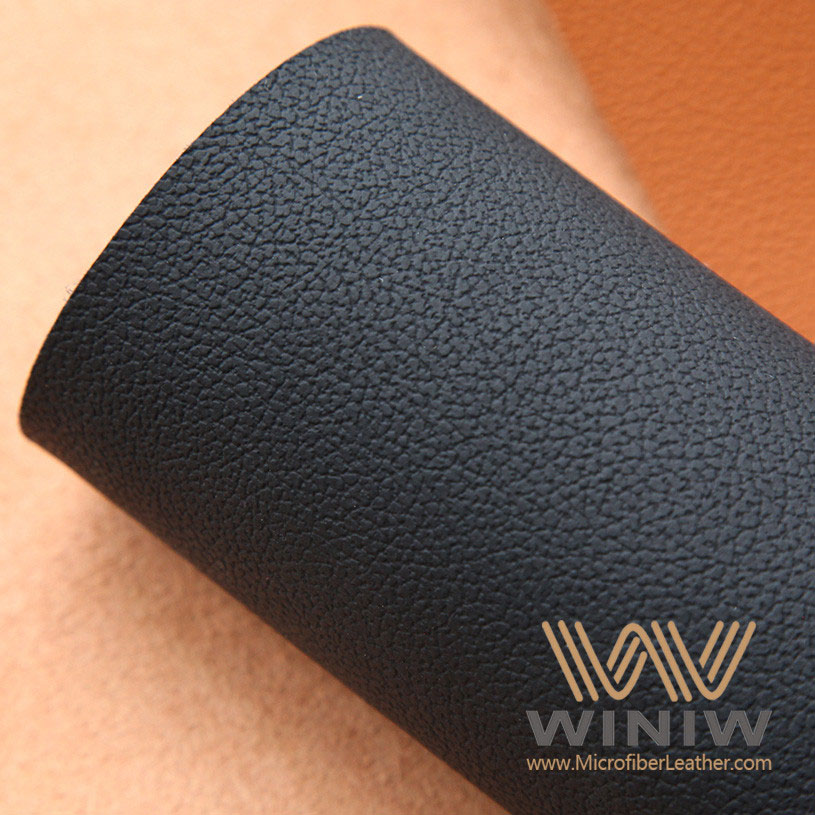
Proper care keeps your interior trim materials in top shape. Start by washing and drying your car. Use a dedicated cleaner and a soft brush to scrub neglected trim areas, especially around handles and switches. For plastic trim, apply a product like Solution Finish to restore color. For leather or vinyl, use cleaners made for those materials.
- Clean the trim before applying any protectant. This step ensures the product works effectively.
- Apply a UV protectant to shield against sun damage and fading.
- Detail your vehicle two to three times a year to prevent rust, fading, and chips.
- Avoid over-applying products, which can leave a sticky finish.
- Never use harsh chemicals or clean in direct sunlight, as this can cause streaking.
A regular routine helps your automotive interior trim maintain its value and comfort. With the right care, your trim will keep its stylish appearance for years.
A car trim cover does more than protect—it transforms your daily drive. You enjoy comfort and style with features like heat-resistant or ventilated materials, luxurious microfiber, and options that reflect your taste.
- Custom covers keep your car looking new and guard against scratches and dirt.
- Stylish designs and textures enhance your cabin’s appeal.
To choose the best cover:
- Identify your main needs.
- Assess how often you access your trim.
- Set a budget.
- Balance security with flexibility.
Paying attention to your trim keeps your car inviting and valuable.

FAQ
What is the main purpose of a car trim cover?
A car trim cover protects your interior trim from damage. You keep your car looking new and comfortable. Trim covers also help you personalize your vehicle’s style.
How often should you clean your car trim covers?
You should clean your trim covers every few weeks. Use a soft cloth and a cleaner made for your trim material. Regular cleaning prevents stains and fading.
Can you install car trim covers yourself?
Most trim covers come with easy instructions. You can install many covers at home with basic tools. Some covers may need professional help for a perfect fit.
Do trim covers fit all car models?
Not all trim covers fit every car. You need to check the size and shape before buying. Many brands offer covers designed for specific makes and models.
Which material lasts the longest for trim covers?
Leather and high-quality vinyl usually last the longest. You get durability and easy cleaning. Fabric covers may wear out faster but offer more comfort and color choices.