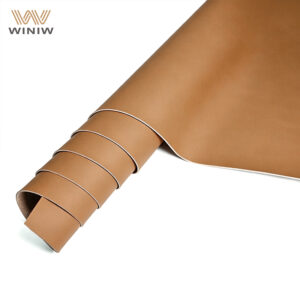
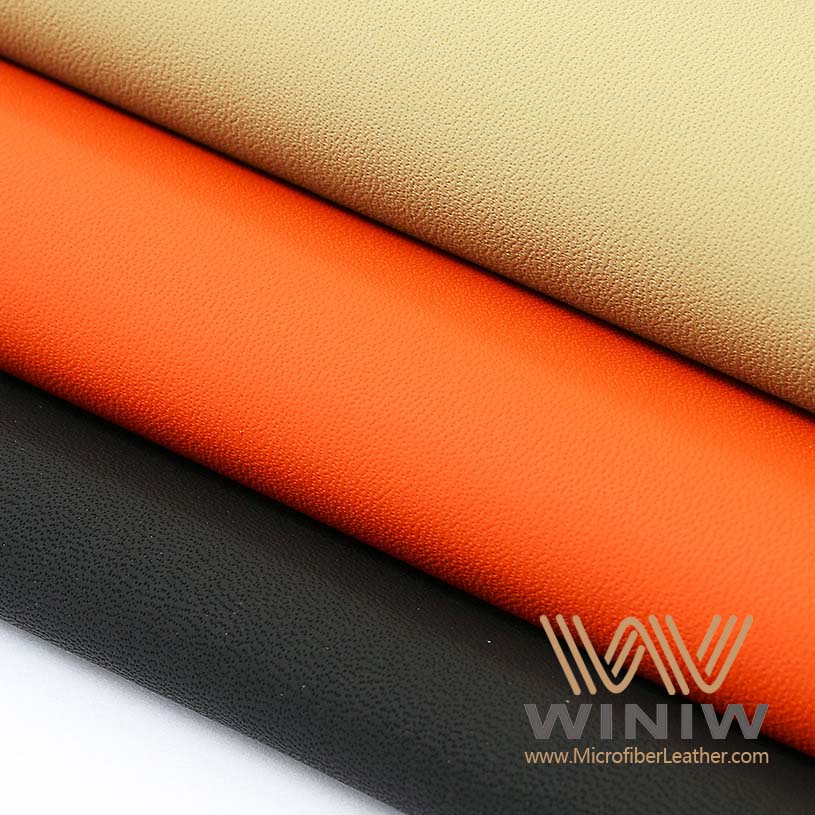
Choosing the right Automotive Interior Cloth depends on key factors to consider, such as comfort, durability, and personal style. Imagine a driver who often travels with kids or pets; daily use can quickly wear down low-quality fabrics. Studies show that high-quality leather upholstery can increase resale value by up to 20% over five years, while fabric tends to depreciate faster. The right material affects not only appearance but also maintenance costs and the overall driving experience.
Find the Right Interior Cloth for Your Car with These Simple Steps
- Identify your needs and lifestyle before choosing automotive interior cloth. Consider daily use, family needs, and commuting habits.
- Select durable fabrics like nylon or polyester for high-traffic vehicles. These materials resist wear and are easy to maintain.
- Prioritize stain-resistant options if you have kids or pets. Fabrics like vinyl and nylon are excellent for easy cleaning.
- Consider allergies when choosing materials. Leather and vinyl are easier to clean and trap fewer allergens than cloth.
- Match your interior cloth to your personal style. Balance comfort, maintenance, and aesthetics for a satisfying choice.
- Invest in high-quality materials to enhance resale value. Leather and advanced synthetics can significantly increase a vehicle’s appeal.
- Regular maintenance is key. Clean your interior cloth every few months to keep it looking fresh and extend its lifespan.
- Explore eco-friendly options. Sustainable materials now offer durability and style without compromising performance.
Needs & Lifestyle
Choosing the right automotive interior cloth starts with understanding personal needs and lifestyle. Different drivers face unique situations, so they must weigh several factors to consider before making a decision.
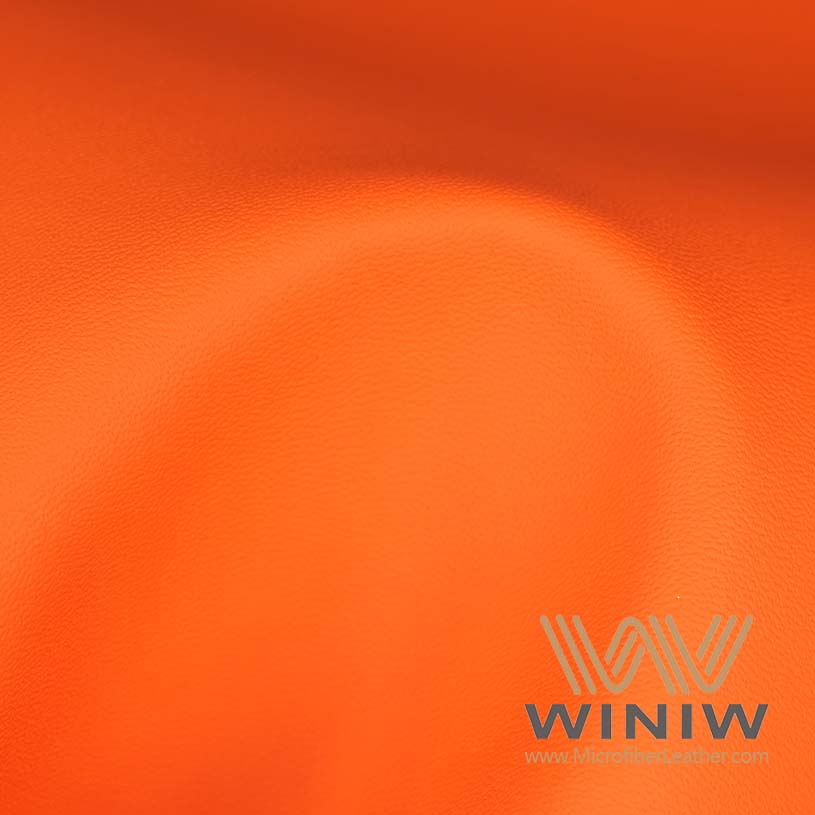
Daily Use
How a person uses their vehicle each day shapes the best fabric choice. Some fabrics handle frequent use better than others. The table below compares popular options:
| Fabric Type | Durability | Maintenance | Aesthetic Options |
|---|---|---|---|
| Leather | Tough, resists wear and tear | Needs special cleaners, regular care | Luxurious look, various colors |
| Nylon | Strong, doesn’t rip easily | Stain-resistant, easy to clean | Various colors and styles |
| Polyester | Strong, handles lots of use | Wipe clean with damp cloth | Many colors and designs |
| Vinyl | Resistant to scratches | Easy to maintain | Durable, comes in various styles |
Family & Pets
Families with children or pets need fabrics that resist stains and damage. Nylon and polyester offer strong resistance to spills and scratches. Leather can also work well, but it requires more care. Vinyl stands out for easy cleaning after muddy paws or snack mishaps. Parents and pet owners should list these as top factors to consider.
Commute vs. Leisure
Commuters spend hours in their cars, so comfort and durability matter most. Polyester and nylon provide breathability and last through daily wear. Leisure drivers may prefer luxury and style, making leather or suede appealing. Each lifestyle brings different factors to consider, such as how often the car gets used and the type of activities involved.
Allergies
Allergies play a big role in fabric selection. Some materials trap dust and allergens, which can trigger symptoms. Experts recommend the following:
- Cloth upholstery can trap allergens and bacteria, aggravating respiratory issues like asthma.
- A 2020 study found that fabric-covered furniture harbors more dust mites and allergens than leather alternatives.
- Leather minimizes dust accumulation and is easier to disinfect, making it a healthier choice.
- The American Lung Association states that dust mites thrive in fabric materials, contributing to asthma and allergic reactions.
- The Environmental Protection Agency notes that synthetic leather may release volatile organic compounds, which can affect air quality.
Drivers with allergies should prioritize easy-to-clean surfaces and avoid fabrics that collect dust.
Preferences
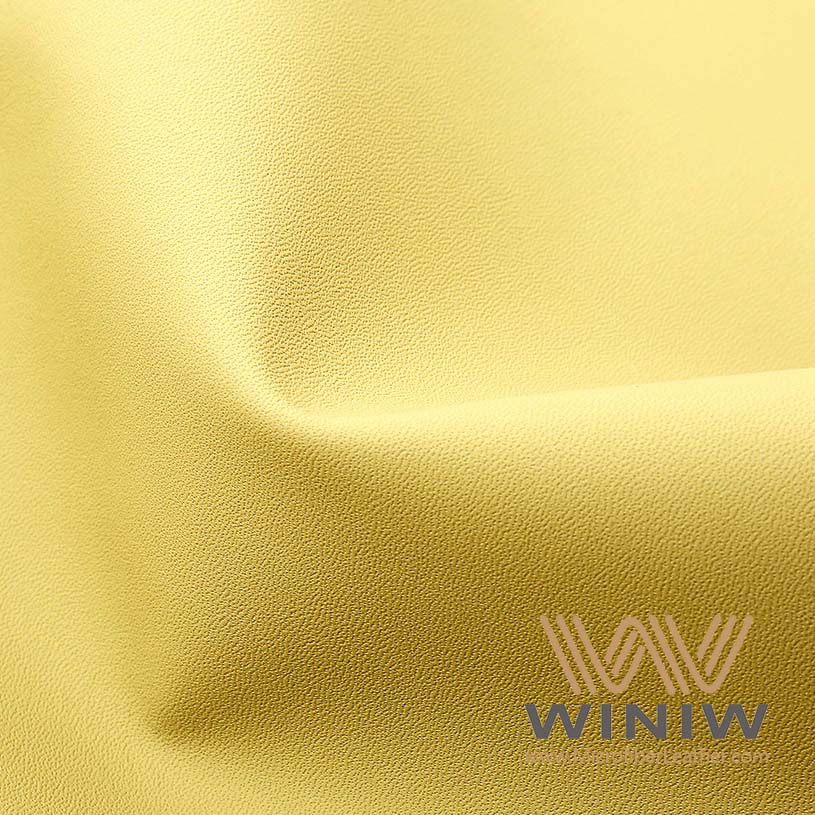
Personal taste influences the final decision. Many car owners look for a balance between comfort, style, and practicality. The table below highlights popular choices and their characteristics:
| Material | Characteristics |
|---|---|
| Leather | Durable, comfortable, timeless look, available in various colors and finishes. |
| Vinyl | Affordable, easy to clean, durable, resistant to stains and fading. |
| Cloth | Comfortable, affordable, available in various colors and patterns. |
| Suede | Soft, luxurious, durable, resistant to stains and fading. |
| Polyester | Durable, easy to clean, affordable, available in various colors and patterns. |
| Nylon | Strong, durable, lightweight, breathable, resistant to stains and fading. |
| Faux Leather | Looks and feels like real leather, durable, easy to clean, budget-friendly. |
| PVC | Durable, waterproof, easy to clean, resistant to stains and fading. |
Tip: Drivers should list their top priorities before shopping. Comfort, maintenance, and appearance are all important factors to consider.
By reviewing these needs and lifestyle details, drivers can narrow down the best automotive interior cloth for their situation.
Automotive Interior Cloth Options
Selecting the right automotive interior cloth involves understanding the strengths and weaknesses of each material. Drivers often compare options based on durability, comfort, maintenance, and environmental impact. The following sections break down the most popular choices and highlight features that matter most.
Best Seating Fabric
Car owners frequently ask about the best seating fabric for their vehicles. The answer depends on individual needs, style preferences, and how the car gets used. The three main categories include cloth, leather, and synthetic materials.
Cloth
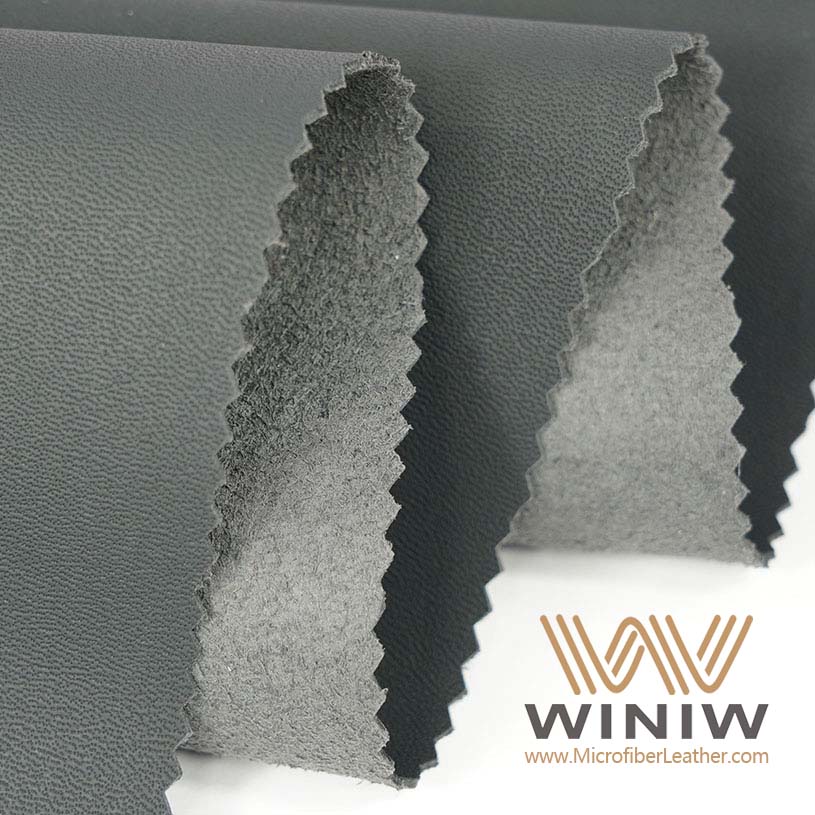
Cloth remains a popular choice for automotive interior cloth. Manufacturers use materials like polyester, nylon, and cotton blends to create comfortable and affordable seats. Cloth seats offer breathability, which keeps passengers cool during long drives. Many families prefer cloth because it resists wear and tear and provides a soft touch. However, cloth can stain easily and may require regular cleaning to maintain its appearance.
- Cloth seats trap dust and allergens, which may affect passengers with allergies.
- Cotton and wool provide comfort but stain more easily than synthetic options.
- Polyester and nylon offer durability and resist spills, making them practical for busy families.
Leather
Leather stands out as a premium option for automotive interior cloth. Many luxury vehicles feature leather seats because they look elegant and feel smooth. Leather resists dust and allergens, making it easier to clean than cloth. Drivers who want the best seating fabric for resale value often choose leather. However, leather retains heat, which can make seats uncomfortable in hot climates. Leather also requires special cleaners and regular conditioning to prevent cracking.
- Leather seats increase resale value and provide a timeless look.
- Cleaning leather is simple, but maintenance is essential for longevity.
- Leather may not suit drivers who want a cooler seat surface in summer.
Synthetic
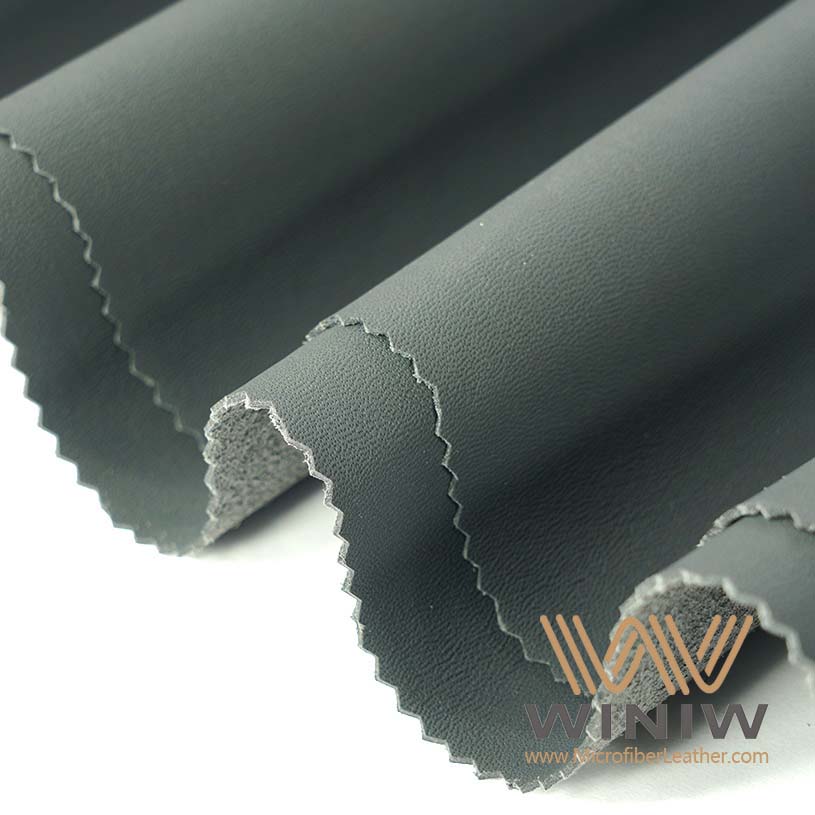
Synthetic materials, such as vinyl and faux leather, offer a balance between cost and performance. Many manufacturers use polyester and microfiber for automotive interior cloth because these fabrics resist stains and wear. Vinyl seats are easy to clean and withstand scratches, making them ideal for families with pets. Faux leather mimics the look and feel of real leather at a lower price point. Synthetic fabrics often serve as the best seating fabric for drivers who want durability without the premium cost.
- Polyester and microfiber provide spill resistance and durability.
- Vinyl resists scratches and requires minimal maintenance.
- Faux leather offers style and comfort at a budget-friendly price.
The table below shows the global market share positions for common automotive interior cloth types:
| Fabric Type | Market Share Position |
|---|---|
| Polyester | Majority |
| Vinyl | Significant |
| Leather | Premium |
| Nylon | Appreciated |
| Others | N/A |
Eco-Friendly Choices
Many drivers now seek eco-friendly automotive interior cloth options. Manufacturers respond by offering materials that reduce environmental impact and meet sustainability standards. These choices include recycled plastics, natural fiber composites, and biodegradable polymers.
| Eco-Friendly Material | Description |
|---|---|
| Recycled Plastics | Made from post-consumer plastic waste, reducing landfill impact. |
| Natural Fiber Composites | Composed of renewable plant fibers, offering biodegradability. |
| Biodegradable Polymers | Designed to break down naturally, minimizing environmental impact. |
Eco-friendly automotive interior cloth often features:
- POST-CONSUMER YARNS made from recycled bottles.
- BIO-BASED YARNS partially made out of renewable, raw materials.
- OCEAN-CLEAN YARNS that protect waterways by removing plastics.
Certifications such as EcoVadis, ISO 14001, and Cradle to Cradle Certified™ verify the sustainability of these materials. Cradle to Cradle Certified™ promotes safe, sustainable, and circular products.
A recent survey found that 74% of respondents believe manufacturers should prioritize sustainable and natural materials in automotive interiors. Quality and safety remain the most important criteria for consumers, followed by smell, appearance, and comfort. Consumers expect eco-friendly automotive interior cloth to meet all traditional performance standards.
Note: Eco-friendly options now match traditional materials in durability, comfort, and style. Drivers can choose sustainable fabrics without sacrificing performance.
Comparing Natural and Synthetic Fabrics
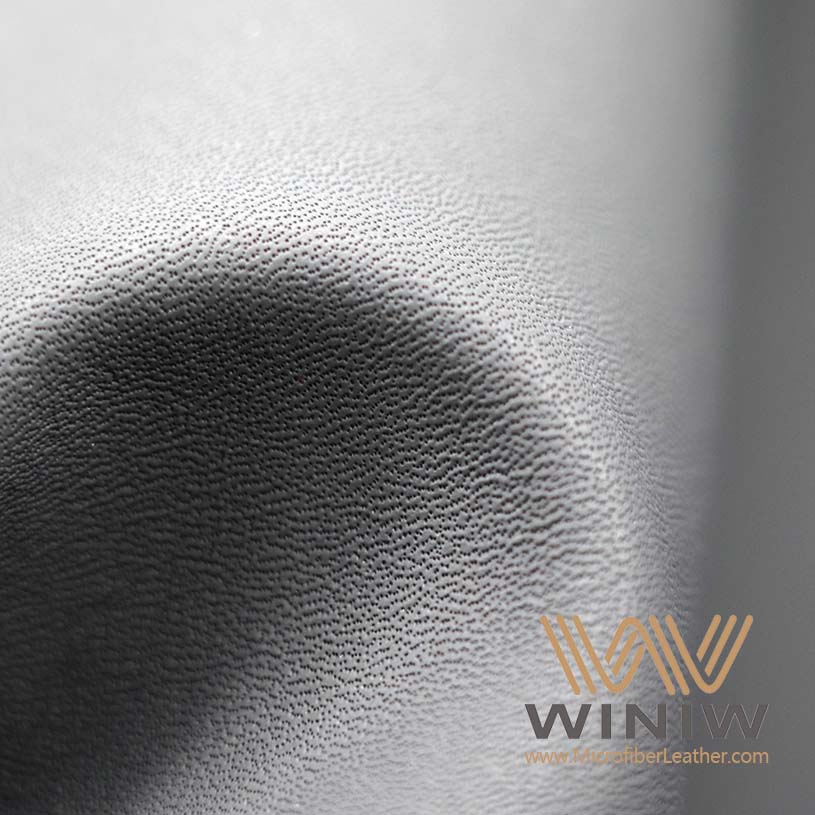
When choosing automotive interior cloth, drivers compare natural and synthetic fabrics based on several factors:
- Durability: High-quality fabrics resist wear and tear, which is essential for busy families or commercial use.
- Comfort: Fabrics engineered for breathability enhance passenger relaxation on long drives.
- Maintenance: Some materials require frequent cleaning to maintain appearance and hygiene.
- Natural textiles like cotton and wool feel comfortable but stain easily. Leather is easy to clean but retains heat.
- Synthetic fabrics such as polyester and microfiber offer durability and spill resistance, making them practical for families.
Special Features
Automotive interior cloth often includes special features that improve performance and safety. Manufacturers design fabrics with waterproofing, fire resistance, and stain resistance to meet the demands of modern drivers.
- Waterproof fabrics protect seats from spills and moisture.
- Fire-resistant materials enhance safety in case of accidents.
- Stain-resistant coatings make cleaning easier and extend the life of the best seating fabric.
Drivers should consider these features when selecting the best seating fabric for their vehicles. The right automotive interior cloth combines comfort, durability, and easy maintenance with advanced protection.
Durability & Maintenance
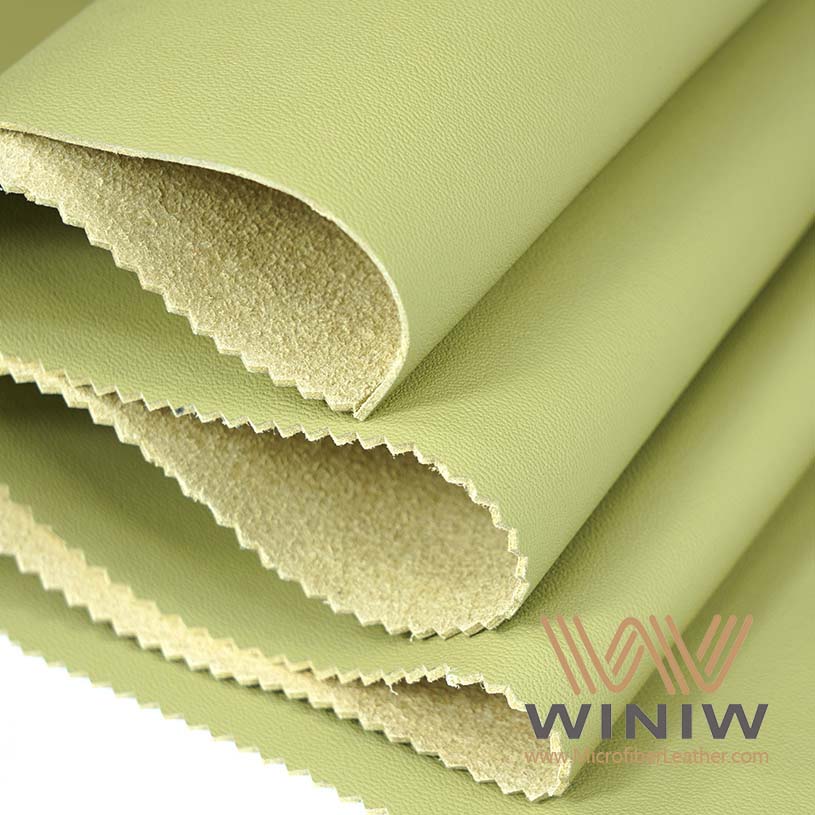
Choosing automotive interior cloth with strong durability and easy maintenance ensures a longer-lasting, attractive car interior. Drivers often look for fabrics that resist stains, clean easily, and withstand daily wear.
Stain Resistance
Stain resistance stands out as a top priority for many car owners. Spills from drinks, food, or muddy shoes can quickly ruin the look of a car’s interior. Manufacturers design many modern fabrics with built-in stain-resistant coatings. These coatings help prevent liquids from soaking into the fibers, making cleanup much easier.
Key factors that affect the durability of automotive interior cloth include:
- Colorfastness: Fabrics with high colorfastness resist fading from sunlight. A minimum rating of Class 4 is recommended for long-lasting color.
- Abrasion Resistance: Heavy-duty fabrics withstand up to 30,000 rubs, making them suitable for frequent use.
- Flammability Specs: Materials must meet safety standards like California Tech Bulletin 117 and FMVSS 302 to ensure fire safety.
Tip: Drivers with children or pets should prioritize stain-resistant fabrics to keep their car looking fresh.
Cleaning
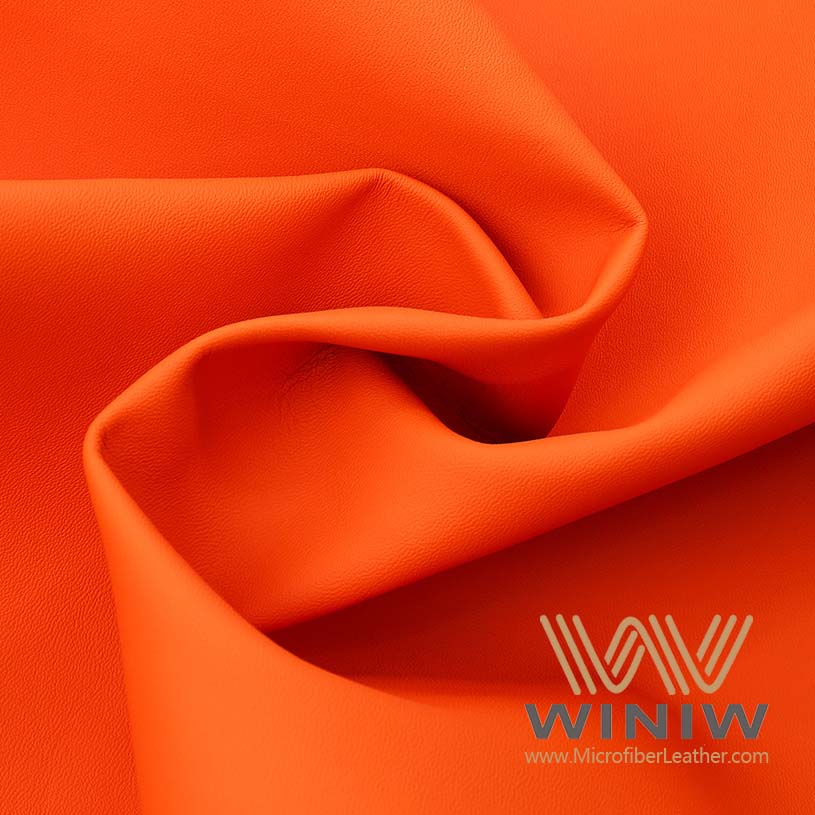
Proper cleaning methods help maintain the appearance and lifespan of automotive interior cloth. Each material requires a specific approach for best results.
- Cloth Upholstery: Vacuum the seats thoroughly to remove dust and debris. Apply a fabric cleaner such as CarPro Inside Cleaner. Scrub gently with a soft brush, blot dry with a towel, and allow the seats to air out.
- Vinyl Upholstery: Mix Xpress Interior Cleaner with warm water. Use a soft cloth to apply the solution, scrub gently, rinse with clean water, and dry with a towel.
- Leather Upholstery: Use a pH-balanced leather cleaner like Koch-Chemie – Leather Star. Apply with a microfiber cloth and condition the leather regularly to prevent cracks and maintain softness.
A regular cleaning routine not only keeps the interior looking good but also extends the life of the fabric.
Wear & Tear
Automotive interior cloth faces constant stress from passengers, cargo, and daily use. The performance of these materials depends on their mechanical properties, such as tensile strength, abrasion resistance, and tear strength. Weft-knitted fabrics, for example, offer two-way stretch and good elasticity. These qualities make them popular for car interiors because they adapt well to movement and pressure.
Abrasion resistance and tear strength remain crucial for long-term durability. Fabrics that score high in these areas show less visible damage over time, even in high-traffic vehicles. Drivers who want their car’s interior to last should look for materials tested for these properties.
Note: Investing in high-quality, durable fabrics reduces the need for frequent repairs or replacements, saving money in the long run.
Style & Carpets
Choosing Automotive Carpets
Selecting the right carpet for a vehicle interior shapes both comfort and style. Many drivers focus on choosing automotive carpets that balance durability with easy maintenance. Popular materials include nylon, polyester, and wool. Nylon stands out for resilience and stain resistance. Polyester offers affordability and satisfactory performance. Wool provides a soft feel but needs more upkeep.
Carpet construction also affects longevity. The table below compares common types found in vehicles:
| Material | Durability Characteristics | Maintenance Notes |
|---|---|---|
| Nylon Pile | Economical, lower grade, original in most vehicles | Requires regular cleaning |
| Nylon Loop | Economical alternative, original in many vehicles | Easy to maintain, but less durable |
| Dyna Pile | High tech, resistant to fraying, fading, and mildew | Low maintenance, very durable |
| Nylon Dense Pile | High quality, more dense and durable than Nylon Cut Pile | Requires less frequent cleaning |
| 80/20 Loop | More durable than Nylon Loop | Moderate maintenance |
| Tuxedo Loop | Heavy, twisted loops, durable | Regular cleaning needed |
| German Velour | Very dense, used in high-end vehicles | Requires careful maintenance |
| PG Blend | Durable, attractive, alternative to wool | Easy to clean, low maintenance |
| Velvet Wool III | Dense, 100% wool, found in luxury models | Requires regular upkeep |
Drivers often choose nylon for its balance of cost and performance. Wool carpets appear in luxury models, offering comfort and style. When choosing automotive carpets, buyers should consider how much time they spend in their vehicles and the level of traffic the interior receives.
Color Match
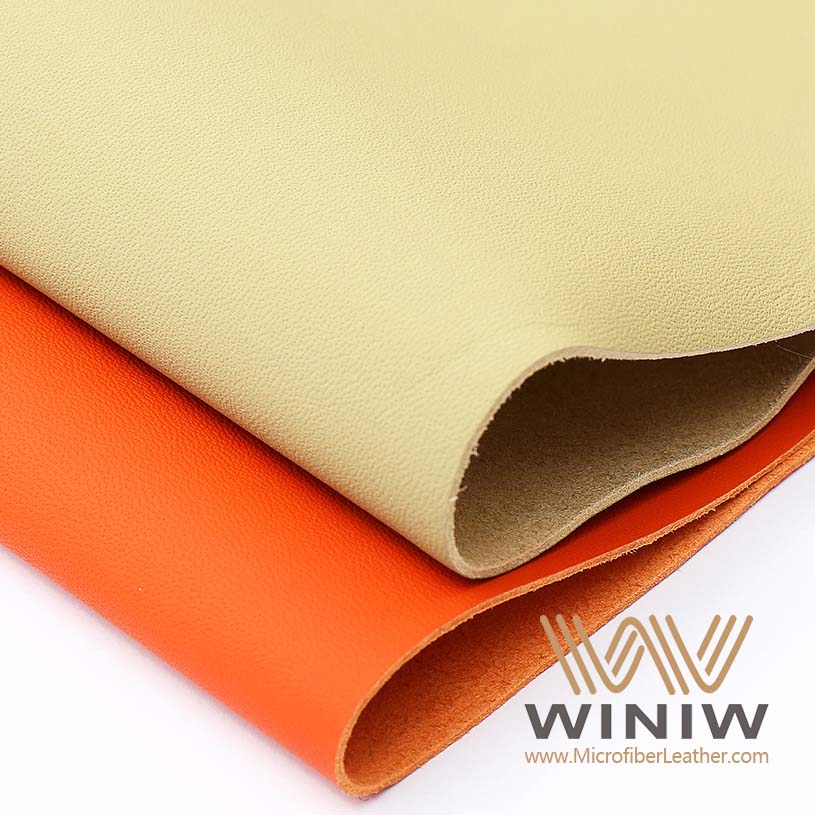
Color coordination plays a key role in creating a cohesive look. Many drivers want carpets that match or complement seat fabrics and dashboard trims. Neutral shades like black, gray, and beige remain popular because they hide dirt and blend with most interiors. Some manufacturers offer custom colors to suit personal tastes.
Tip: Matching carpet color with seat upholstery creates a unified appearance and can make the cabin feel larger.
Choosing automotive carpets with the right color also affects resale value. Vehicles with coordinated interiors often attract more buyers. For those who want a bold look, contrasting colors or patterned carpets add personality. Digital printing now allows for unique designs, giving drivers more options than ever before.
Trends
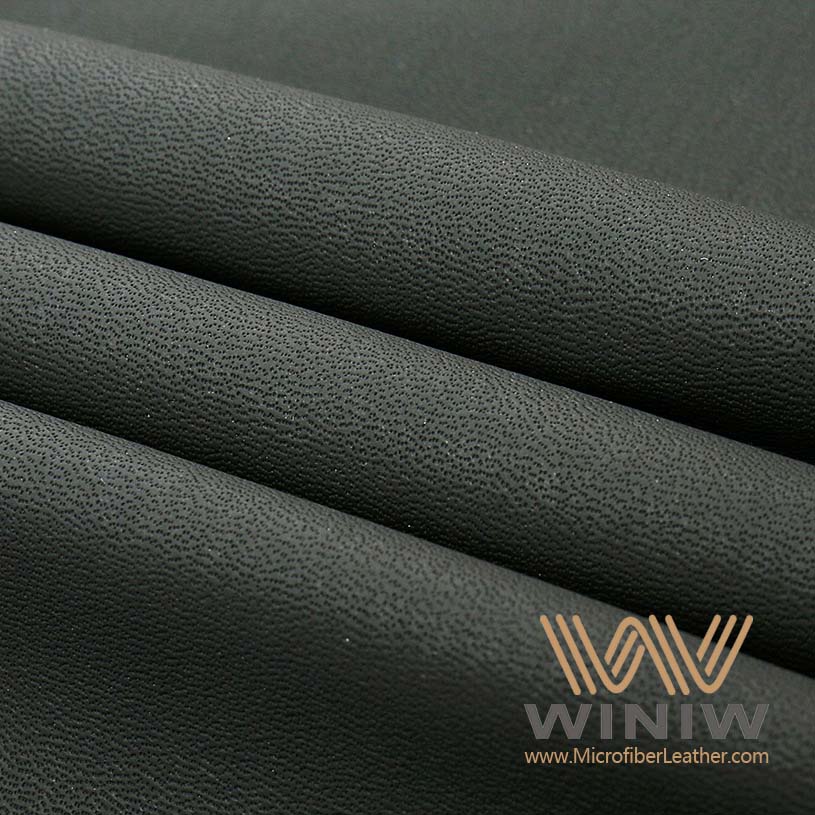
Automotive interior design continues to evolve. Recent trends show a shift toward sustainability and personalization. Manufacturers now use recycled materials and eco-friendly processes to meet consumer demand for greener options. Many drivers prefer choosing automotive carpets made from recycled fibers or natural blends.
The table below highlights current trends in automotive interior cloth and carpet selection:
| Trend | Description |
|---|---|
| Sustainability | Adoption of recycled materials and eco-friendly processes, driven by consumer demand for eco-conscious options. |
| Personalization & Customization | Increased options for colors, textures, and patterns, including digital printing for unique designs. |
| Technological Integration | Use of smart fabrics with functionalities like heating, cooling, and health monitoring sensors. |
| Lightweighting & Efficiency | Development of lightweight fabrics to improve fuel efficiency and reduce vehicle weight. |
| Improved Durability & Comfort | High-performance fabrics that resist wear, stains, and fading, enhancing comfort and longevity. |
| Advanced Manufacturing Techniques | Exploration of 3D printing and additive manufacturing to improve efficiency and design complexity. |
| Material Innovation | Introduction of advanced microfiber fabrics as cost-effective alternatives to leather, offering superior stain resistance and ease of cleaning. |
Personalization stands out as a major trend. Drivers can now select carpets with unique patterns or textures. Technological integration brings smart fabrics that adjust temperature or monitor health. Lightweight carpets help improve fuel efficiency. When choosing automotive carpets, buyers should look for options that combine style, comfort, and advanced features.
Climate & Features
Comfort
Automotive interior cloth plays a major role in comfort, especially when climate changes. Materials respond differently to temperature and humidity. Cork and technical textiles stand out for their ability to absorb shock and sound, creating a pleasant ride. Cork feels soft and maintains a temperature close to the human body. Technical textiles help regulate cabin climate and support fuel savings by reducing the need for excessive heating or cooling.
| Material | Key Properties | Climate Impact |
|---|---|---|
| Cork | Absorbs shock, relieves pressure, soft to touch | Enhances comfort and prevents allergies |
| Technical Textiles | Absorbs sound, ensures pleasant climate, fuel savings | Contributes to ride comfort and climate control |
Hot & Cold
Extreme temperatures affect how comfortable a car’s interior feels. In hot weather, some fabrics trap heat, making seats uncomfortable. Leather absorbs heat quickly and can become very warm, while cloth and technical textiles stay cooler. In cold climates, heated seats provide targeted warmth, improving comfort without raising the cabin temperature. Cork’s natural insulation helps maintain a stable seat temperature, reducing discomfort during seasonal changes.
Tip: Drivers in regions with harsh summers or winters should choose fabrics that regulate temperature and offer insulation.
UV Protection
Sunlight can damage automotive interior cloth over time. UV rays penetrate car windows and break down chemical bonds in fabrics, leather, and plastics. This process causes fading, discoloration, and brittleness. Leather seats lose moisture and oils, leading to cracks. Dashboard plastics warp and fade, reducing both appearance and resale value.
- Sun exposure dries and cracks leather seats, making them brittle.
- Prolonged UV exposure deteriorates dashboard plastics, causing fading.
- UV rays degrade upholstery, leading to loss of color vibrancy and increased damage risk.
- Intense sunlight warps interior panels, affecting aesthetics and structure.
- Regular use of UV-protectant sprays helps mitigate damage.
- Ceramic window tint blocks harmful UV rays and offers superior heat rejection.
- UV-blocking window tints greatly reduce damage to car interiors.
Note: Drivers who park outdoors should consider UV-resistant fabrics and protective measures to extend the life of their car’s interior.
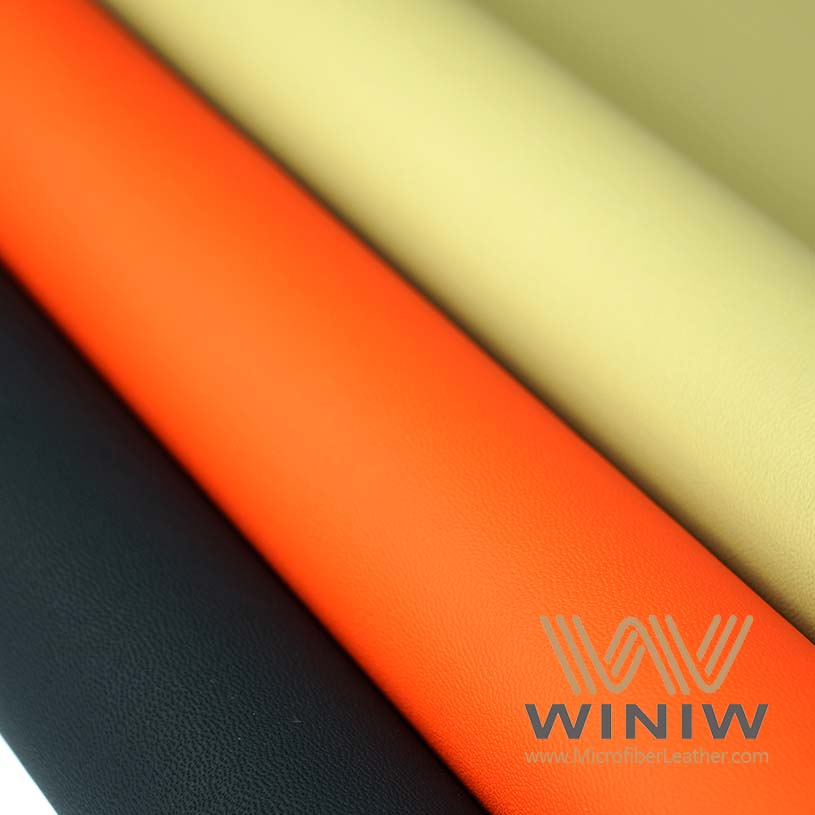
Heated/Cooled Seats
Heated and cooled seat technologies improve comfort in extreme climates. Heated seats warm the surface quickly, providing relief in cold weather. Cooled seats use a cooling element to lower seat temperature, which is ideal for hot conditions. These features can also enhance fuel efficiency by reducing the need for full-cabin climate control.
- Heated seats deliver targeted warmth, making winter drives more comfortable.
- Cooled seats lower seat temperature, helping passengers stay cool in summer.
- Katzkin’s heating and cooling systems use robust, water-resistant cloths that withstand damp conditions.
- The type of cloth affects how well these technologies work. Water-resistant and technical textiles perform best with heated and cooled seats.
Drivers should select interior cloth that supports these features for maximum comfort and efficiency. Modern systems work best with fabrics designed for temperature regulation and moisture resistance.
Budget & Value
Price Range
The cost of automotive interior cloth varies widely. Several factors influence the final price. The type of material stands out as the most significant. For example, cotton and polyester offer affordable solutions, while leather and advanced synthetics command higher prices. The choice between a simple replacement and a full interior overhaul also affects the budget. Some car models require custom materials, which can increase costs. Service charges differ among professionals, depending on their expertise and reputation.
- Type of upholstery fabric: Cotton, polyester, faux leather, and genuine leather all have different price points.
- Upholstery work: A full replacement costs more than repairing a single seat or section.
- Car model: Older or luxury vehicles may need specialized materials.
- Service charges: Skilled artisans may charge more for their work.
A typical price range for automotive carpet and seating fabric runs from $10 to $70 per yard. Luxury materials, such as premium leather, can exceed $100 per yard. Labor costs for installation or replacement add to the total expense.
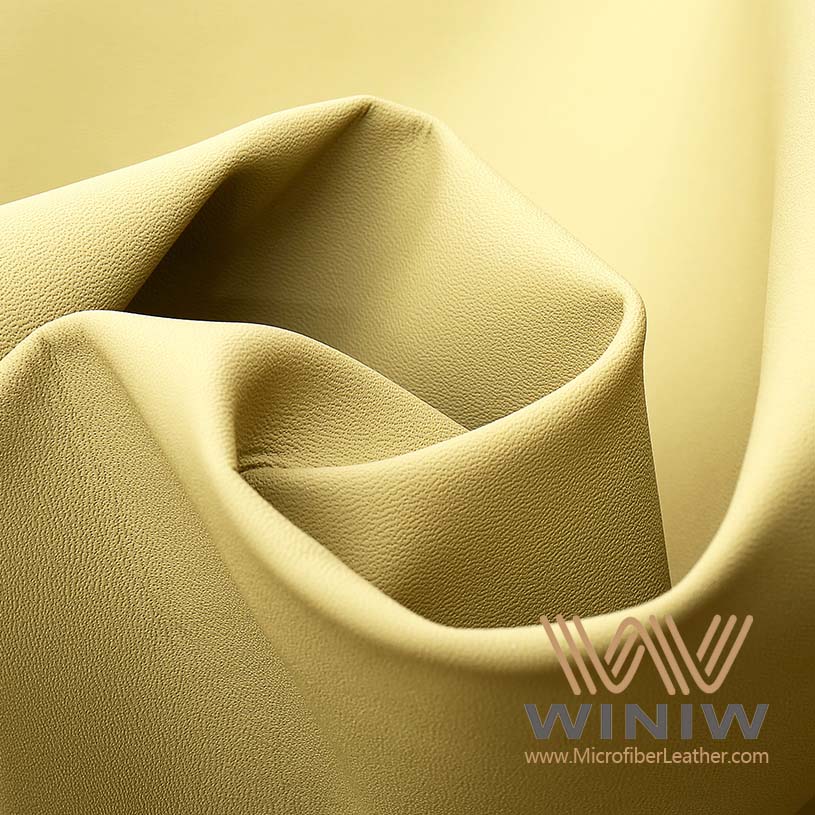
Resale Value
The choice of interior cloth directly impacts a vehicle’s resale value. High-quality materials, such as leather or advanced synthetics, often increase the appeal of a used car. Buyers look for interiors that show minimal wear and require little maintenance. Well-maintained automotive carpet and seating fabric can help a car retain its value over time. On the other hand, worn or stained interiors may lower resale prices.
A car with a clean, coordinated interior attracts more buyers. Matching automotive carpet with the rest of the cabin creates a unified look. Many dealerships recommend replacing or deep-cleaning carpets before listing a vehicle for sale. This small investment can lead to a higher selling price.
Tip: Regular cleaning and prompt stain removal help preserve both the appearance and value of automotive carpet.
Quality vs. Cost
Balancing quality and cost remains a key challenge for car owners. High-quality materials usually last longer and look better, but they come with a higher upfront price. Luxury vehicles often feature advanced technology and premium components, which increase production costs but deliver superior comfort and durability. Investing in better materials for automotive carpet and seating can reduce the need for repairs or replacements.
- High-quality materials enhance comfort and longevity.
- Poor-quality fabrics may lead to higher long-term costs due to frequent repairs.
- The cost of external failures, such as visible damage or defects, can be much higher than the initial savings from choosing cheaper materials.
Manufacturers and buyers both consider these trade-offs. Many drivers choose popular seating fabric options that balance durability, comfort, and affordability. Selecting the right automotive carpet can also improve the driving experience and protect the car’s value.
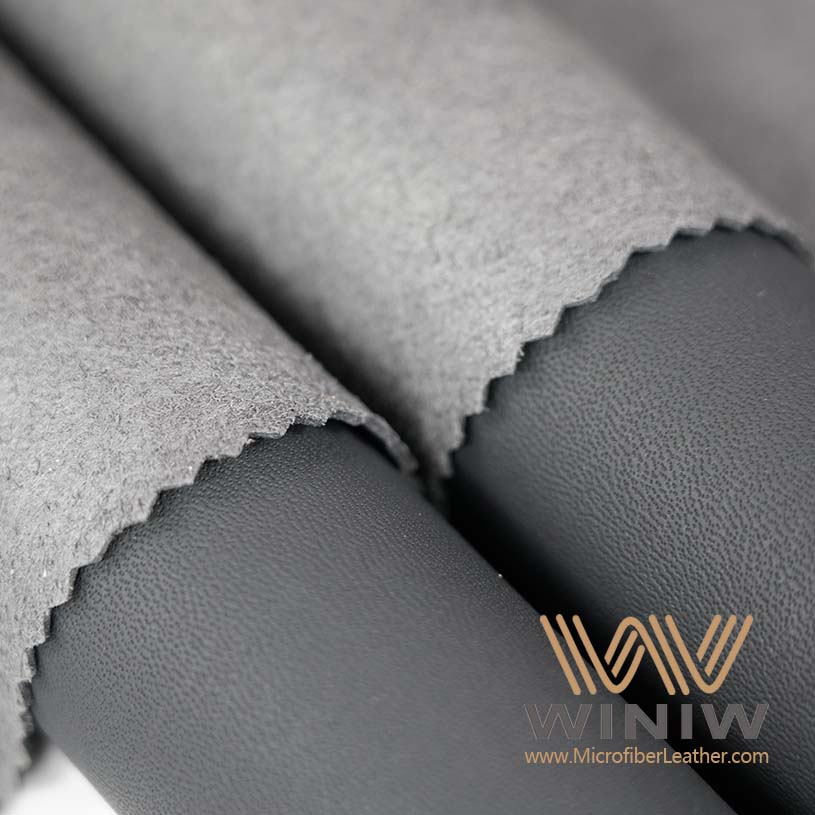
| Material Type | Initial Cost | Maintenance Cost | Lifespan | Impact on Resale Value |
|---|---|---|---|---|
| Cotton/Polyester | Low | Low | Moderate | Neutral |
| Faux Leather | Moderate | Low | High | Positive |
| Genuine Leather | High | Moderate | Very High | Strong Positive |
| Advanced Synthetics | Moderate | Low | High | Positive |
Choosing the right automotive carpet and interior cloth means considering both short-term costs and long-term value. A wise investment today can lead to savings and satisfaction in the future.
Installation & Care
DIY vs. Professional
Car owners often debate whether to install automotive interior cloth themselves or hire a professional. DIY installation may appear cost-effective because it eliminates labor fees. However, mistakes can lead to extra expenses if the work needs to be redone. Professional installation costs more upfront but brings access to better materials and skilled technicians. This expertise often prevents errors and saves money over time.
- Pros of Professional Installation:
- Skilled technicians ensure higher safety.
- Lower risk of misalignment, with only about 5% error compared to 15% for DIY.
- Use of high-quality products for better protection.
- Cons of DIY Installation:
- Common issues include misalignment and visible imperfections.
- Mistakes can become costly if corrections are needed.
- Challenges of DIY Installation:
- Requires skill and patience, especially for beginners.
- The process takes significant time for first-timers.
- Mistakes may result in unsatisfactory results.
- Benefits of Professional Installation:
- Experts apply materials correctly and efficiently.
- Warranties offer peace of mind.
- Specialized tools create a quality finish.
Tip: For those without experience, professional installation often delivers better long-term value.
Maintenance Tips
Proper care extends the life of automotive interior cloth and keeps the cabin looking fresh. Regular maintenance prevents damage and reduces the need for repairs.
- Apply protectants regularly to maintain natural oils in materials and prevent dryness.
- Use upholstery cleaners on soiled seats, but apply them sparingly to avoid saturating the fabric.
- Spray fabric upholstery with a protectant like Scotchgard to resist dirt and stains.
- Apply UV sealants to form a barrier against harmful rays and reduce fading.
- Use anti-corrosion sprays to help repel dirt and spills.
A consistent cleaning routine preserves the visual appeal of the car interior and helps avoid costly repairs.
Mistakes to Avoid
Many car owners make simple mistakes that shorten the lifespan of their interior cloth. Awareness of these pitfalls helps maintain a clean and durable interior.
- Allowing spills to sit for too long can cause stains, odors, and mold as liquids seep into the padding.
- Using excessive water may lead to mildew and lingering odors in fabric seats. It can also weaken adhesives in leather and vinyl, causing peeling.
- Ignoring small tears or cracks allows minor issues to grow, often requiring professional repairs.
- Overlooking routine maintenance results in gradual wear and tear, increasing the need for deep cleaning.
- Not testing cleaning products first can cause discoloration or damage, leading to expensive fixes.
Note: Quick action and regular care keep automotive interior cloth looking its best and extend its lifespan.
Selecting the right automotive interior cloth involves several important steps:
- Check durability to ensure the fabric lasts.
- Choose materials that offer comfort.
- Consider how easy the fabric is to maintain.
- Match colors and textures to the vehicle’s style.
- Set a budget for the project.
Drivers who follow these steps can match their fabric to their needs, style, and climate. A smart choice leads to a better driving experience. Enjoy the feeling of a refreshed car interior every time you get behind the wheel. 🚗
FAQ
What is the most durable car interior cloth?
Nylon and polyester offer strong durability. Leather resists wear but needs regular care. Synthetic fabrics like vinyl withstand scratches and stains. Drivers choose these materials for long-lasting interiors.
How often should car interior cloth be cleaned?
Most experts recommend cleaning every three months. Families with kids or pets may need monthly cleaning. Regular vacuuming helps maintain freshness and prevents stains.
Can eco-friendly fabrics match traditional materials in performance?
Eco-friendly fabrics now match traditional materials in durability, comfort, and style. Many drivers choose recycled polyester or natural fiber blends for sustainability without sacrificing quality.
Which fabric is best for allergy sufferers?
Leather and vinyl resist dust and allergens. These materials clean easily and do not trap particles. Allergy sufferers benefit from smooth surfaces and regular disinfecting.
Do heated seats work with all types of cloth?
Heated seats work best with technical textiles, leather, and water-resistant fabrics. Some synthetic materials may not transfer heat as efficiently. Always check manufacturer recommendations.
How does climate affect fabric choice?
Hot climates favor breathable cloth or technical textiles. Cold regions benefit from insulated fabrics and heated seat compatibility. UV-resistant materials prevent fading in sunny areas.
Is DIY installation recommended for car interior cloth?
DIY installation saves money but requires skill. Mistakes can lead to extra costs. Professional installers provide warranties and ensure proper fit. Most drivers prefer expert help for best results.