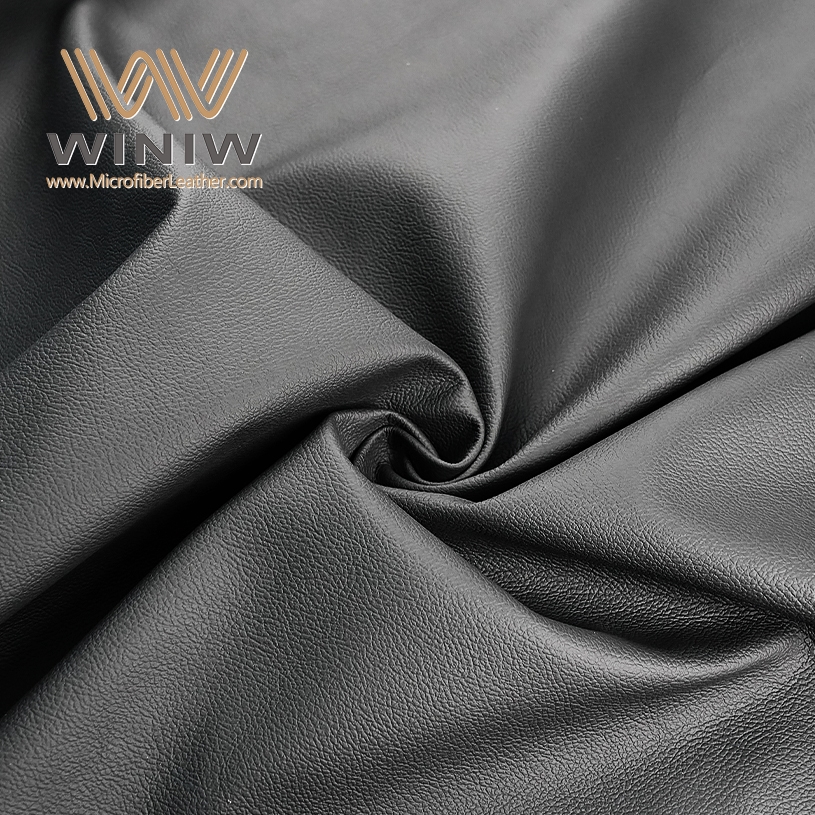
Choosing the best grey car interior fabric can feel overwhelming. You want a material that stands up to daily use and still looks stylish. Focus on comfort, since you spend a lot of time in your car. Think about your interior needs. Durability matters if you have an active lifestyle. Maintenance plays a big role, especially if you want to keep your seats looking new.
Tip: Consider your habits and preferences before making a decision.
Grey Car Interior Fabric Made Simple for Your Ride
- Choose durable fabrics for daily use. Look for materials that resist stains and are easy to clean, especially if you drive often.
- Consider your local climate when selecting fabric. Humid areas need moisture-resistant materials, while hot climates benefit from heat-resistant options.
- Select fabrics that suit your family and pets. Microfiber and leather are great choices for easy cleaning and durability against messes.
- Match your grey fabric with complementary colors. This creates a stylish and cohesive look for your car’s interior.
- Prioritize UV resistance in your fabric choice. This helps prevent fading and keeps your interior looking new for longer.
Your Needs
Usage Frequency
How often you drive shapes your choice of grey car interior fabric. If you use your car every day, you will notice dirt and wear build up quickly. Daily drivers need to detail their interiors every 4-6 weeks. You should look for durable and easy-to-clean materials. Light commuters can go longer between cleanings, about every 3-4 months, but still need to keep up with maintenance.
- Daily use: Choose fabrics that resist stains and handle frequent cleaning.
- Occasional use: You can focus more on appearance and less on heavy-duty durability.
Tip: Match your cleaning habits to your driving routine for the best results.
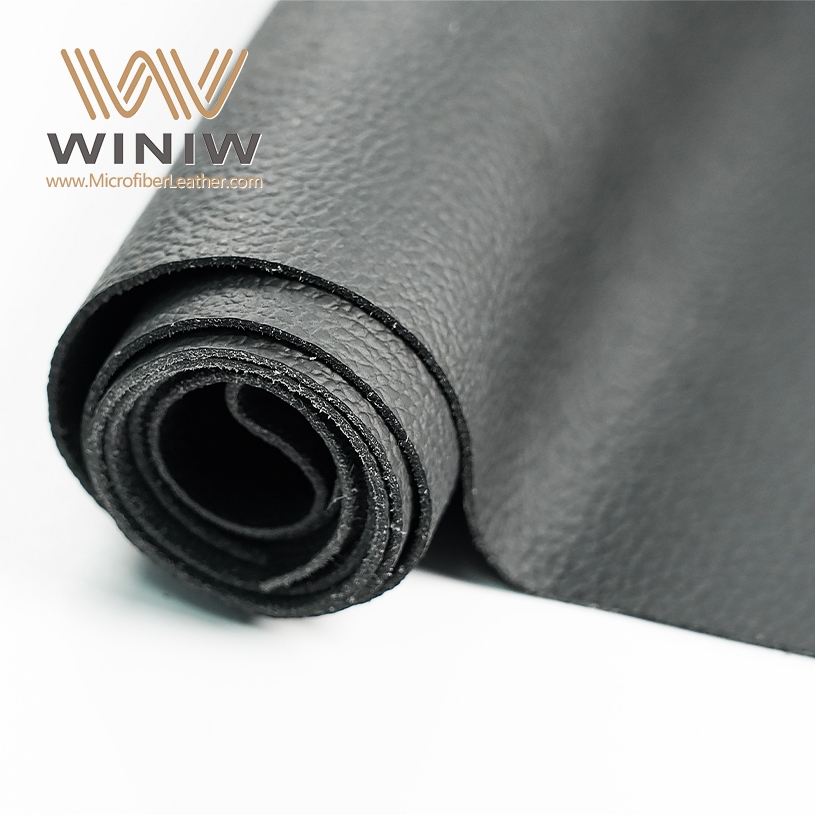
Climate & Environment
Your local climate affects how your interior fabric performs. High humidity can cause moisture to build up, especially with leather seats. In tropical or rainy areas, use dehumidifiers or silica gel packs to protect your seats. Clean spills right away to prevent damage. Eco-leather seat covers work well in hot climates. They resist heat and moisture, so you stay comfortable even on warm days.
- Humid climates: Avoid materials that trap moisture.
- Hot climates: Pick fabrics that do not absorb heat.
Family & Pets
If you have kids or pets, you need fabrics that stand up to messes. Microfiber resists stains, cleans easily, and does not trap pet hair. Leather offers durability and wipes clean after spills. Performance fabrics are engineered to resist stains and moisture, making them a smart choice for busy families.
- Microfiber: Soft, easy to clean, pet-friendly.
- Leather: Durable, stain-resistant, develops character over time.
- Performance fabrics: Designed for active lifestyles.
Style Goals
Your style choices set the tone for your car’s interior. Grey interiors have become popular, with brands like Hyundai and Honda offering unique shades such as Sage Gray and Sonic Grey Pearl. Toyota and BMW also feature modern greys that appeal to today’s drivers. The trend began with Audi’s Nardo Grey, which highlighted the beauty of a simple, flat grey. This color now defines a modern, sophisticated look. When you choose a grey fabric, you create a timeless style that balances comfort and elegance.
Car Seat Material Types
Choosing the right car seat material shapes your driving experience. You want comfort, durability, and easy maintenance. Each option offers unique benefits and drawbacks. Let’s break down the most popular types of car seat materials so you can find the best fit for your car upholstery.
Cloth
Cloth stands out as one of the most common types of car seat materials. Many drivers prefer it for its comfort and affordability. You will notice that cloth seats feel soft and breathable, especially during hot weather. This fabric keeps you cool and comfortable on long drives.
| Material | Durability | Notes |
|---|---|---|
| Cloth | Moderate | Less resilient than leather, shows wear sooner, but handles everyday use well. |
Pros:
- Comfortable and soft texture
- Breathable, ideal for warm climates
- Inexpensive compared to other car seat material options
Cons:
- Shows signs of wear faster than leather
- Prone to stains and odors
- Needs regular vacuuming and spot cleaning
Tip: Vacuum your cloth seats often and clean spills quickly to keep your car upholstery looking fresh.
Leather
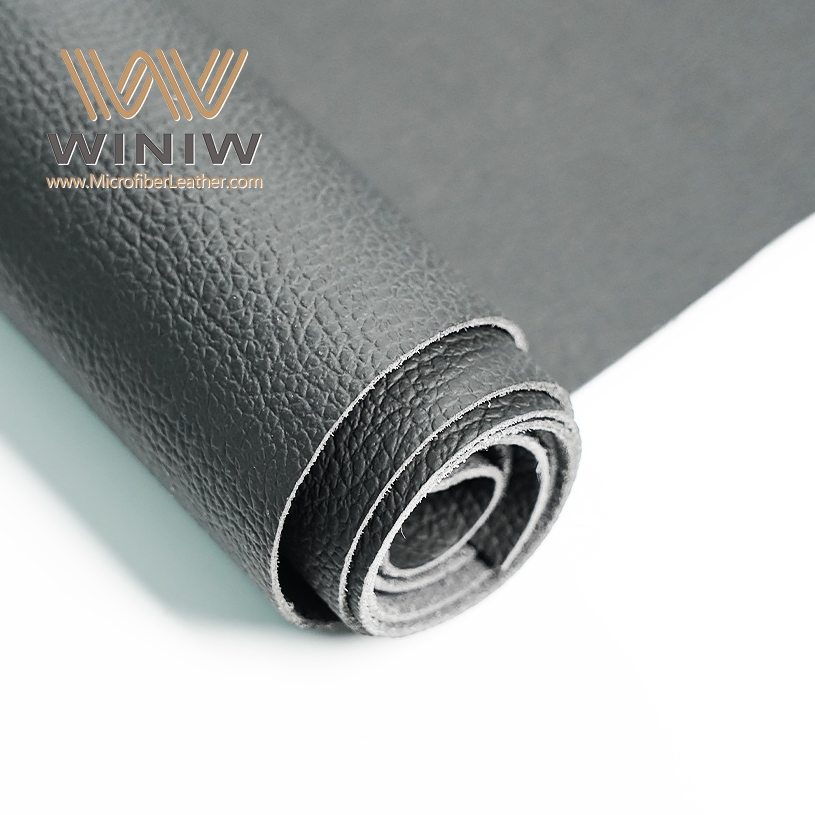
Leather remains a favorite for those who want a luxurious look and feel. This car seat material offers high durability and can boost your vehicle’s resale value. You will find leather easier to wipe clean than fabric, which helps if you want low-maintenance car upholstery.
| Material | Durability | Notes |
|---|---|---|
| Leather | High | More durable, withstands heavy use better. |
Benefits:
- Elegant appearance and premium feel
- High durability, resists wear from daily use
- Easy to clean with a damp cloth
Drawbacks:
- Higher initial cost
- Needs regular cleaning and conditioning to prevent cracking
- Can get hot in summer and cold in winter
Note: Leather requires special cleaners and conditioners several times a year. Neglecting care can lead to cracking and fading.
Suede
Suede gives your interior a unique, upscale look. This type of car seat material feels soft and luxurious. Many pet owners choose suede because it resists scratches and holds up well over time. You can apply protective sealants to boost its resistance to spills and stains.
Advantages:
- Durable and scratch-resistant, great for pets
- Comfortable and stylish
- Holds up well with minimal wear
Disadvantages:
- Needs regular cleaning to prevent stains
- Can absorb spills if not treated with a sealant
- Usually found in higher-end vehicles
Tip: Use a protective spray to help your suede seats resist stains and moisture.
Synthetic
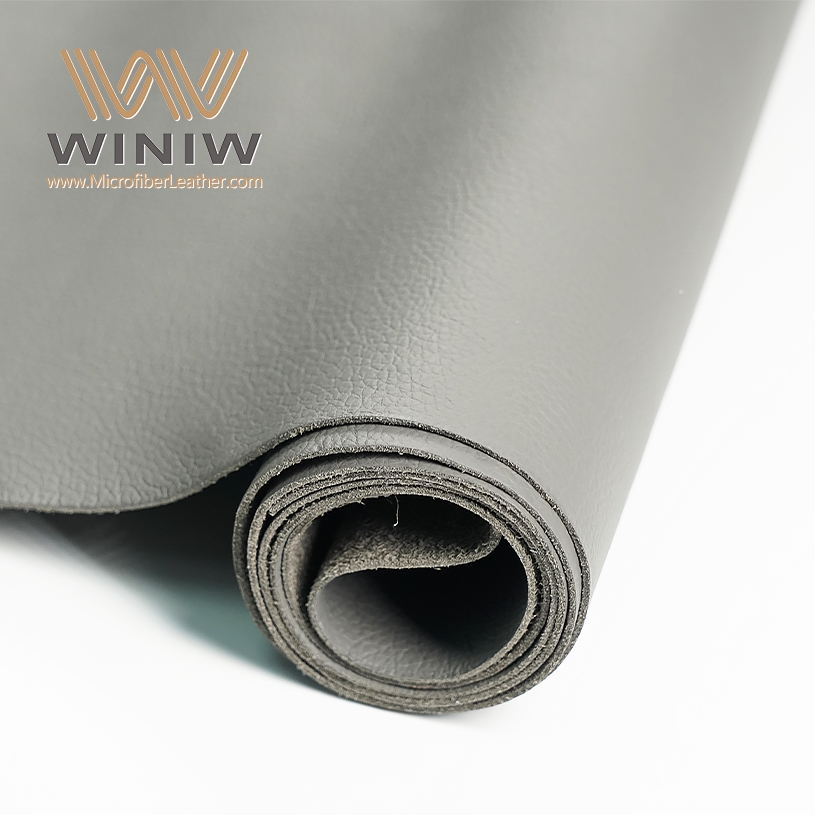
Synthetic options, such as vinyl and synthetic leather, have become popular in recent years. These types of car seat materials mimic the look and feel of real leather but offer easier maintenance. Synthetic car seat material resists stains, scratches, and UV damage, making it ideal for busy lifestyles.
Key Features:
- Affordable and widely available
- Easy to clean—just wipe with a damp cloth
- Durable against daily wear, stains, and sunlight
Considerations:
- May not feel as luxurious as genuine leather
- Can get hot in direct sunlight
- Some lower-quality synthetics may crack over time
Note: Synthetic materials offer a balance between cost, durability, and ease of care, making them a smart choice for many drivers.
Comparing Car Seat Material Types
Here’s a quick overview to help you compare the most popular types of car seat materials:
| Material | Cost | Characteristics | Maintenance Difficulty | Association with Vehicle Type |
|---|---|---|---|---|
| Cloth | Inexpensive | Durable, resistant to heat and cold, popular in entry-level to midrange vehicles | Difficult to clean | Lower-end vehicles |
| Leather | Expensive | Luxurious feel, easier maintenance | Easy | Luxury vehicles |
| Vinyl | Moderate | Relatively inexpensive, easy to clean | Easy | Midrange vehicles |
| Alcantara | High-end | Mimics suede, requires regular cleaning | Moderate | Luxury vehicles |
When you choose the best car seat material for your needs, think about your lifestyle, budget, and how much time you want to spend on maintenance. Each fabric and car seat material brings something different to your car upholstery. Your decision will shape the comfort and style of your ride for years to come.
Grey Car Interior Fabric Choices
Light vs. Dark Grey
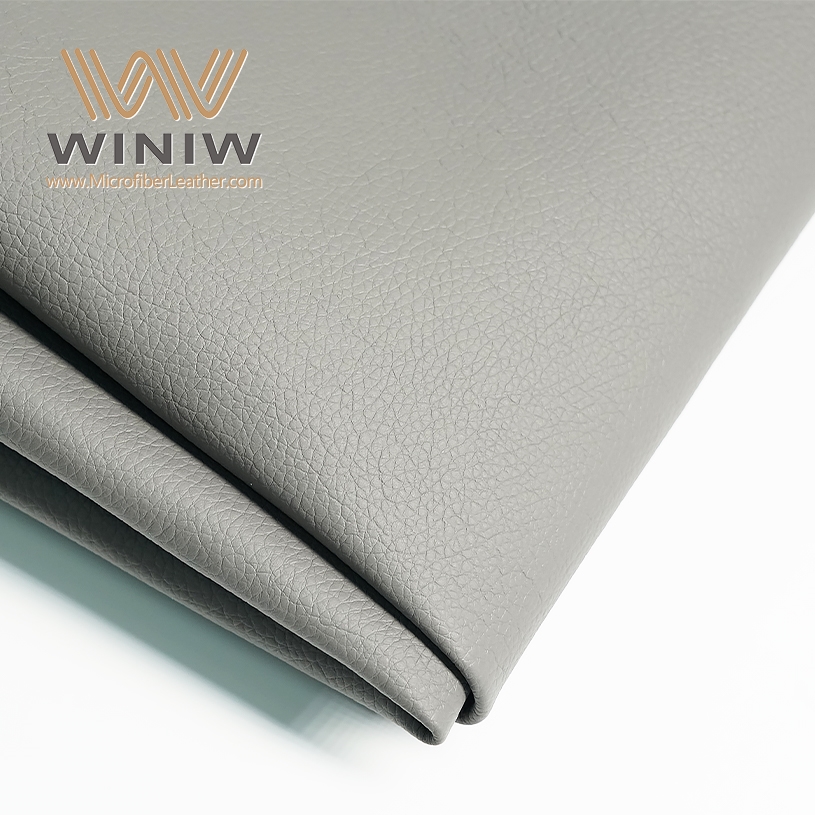
When you pick your car interior color, the shade of grey you choose can change the entire look and feel of your vehicle. Light grey car interior fabric often creates a brighter, more open atmosphere. It reflects more light, which helps keep the cabin cooler during hot days. Dark grey car seat material, on the other hand, gives a more dramatic and modern appearance. It can make the space feel cozy but may absorb more heat.
You should also think about maintenance. Light grey fabrics tend to show stains and spills more easily, but they often wear better over time. Dark grey fabrics hide dirt and blemishes, making them a practical choice for families or anyone who wants less frequent cleaning. The table below compares these options:
| Aspect | Light Grey Fabrics | Dark Grey Fabrics |
|---|---|---|
| Maintenance | Wear better, but show stains more | Hide dirt and blemishes, easier to keep looking clean |
| Appearance | Brighter, more open atmosphere | Modern, cozy, sometimes somber |
| Heat Absorption | Cooler cabin temperatures | Warmer cabin temperatures |
Tip: If you want a fresh, airy look and live in a hot climate, light grey may be the best car interior color for you. For a low-maintenance, modern vibe, dark grey is a strong choice.
Matching Colors
To build your best car interior colors, you need to consider how grey pairs with other shades. Grey is one of the most popular car interior colors because it works well with many palettes. You can create a classic, sporty, or contemporary style by choosing the right combinations. The table below shows some recommended pairings:
| Style | Primary Color | Secondary Color | Accent Color | Best For |
|---|---|---|---|---|
| Classic Luxury | Tan/Beige | Dark Brown | Cream | Sedans, luxury vehicles |
| Modern Sporty | Black | Dark Gray | Red or Blue | Sports cars, coupes |
| Contemporary | Light Gray | Charcoal | Orange or Teal | Crossovers, modern SUVs |
| Earth Tones | Saddle Brown | Olive Green | Tan | SUVs, trucks |
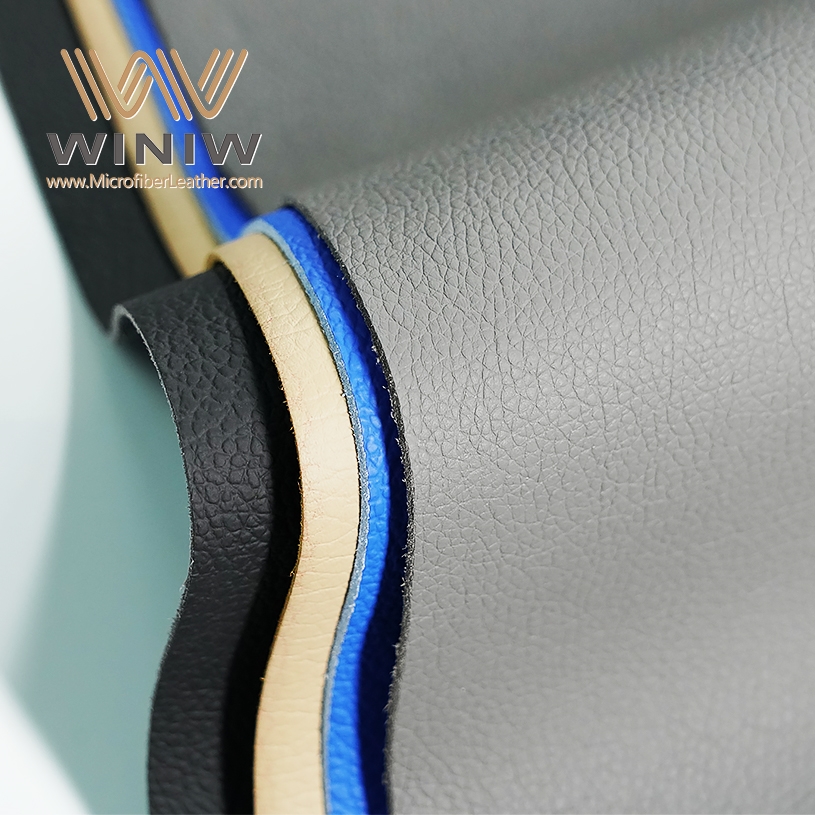
You can use these combinations to achieve the best interior color for luxury cars or to create a unique look for your daily driver. Grey car interior fabric acts as a neutral base, letting you add pops of color with seat piping, stitching, or accessories. This approach helps you achieve both comfort and a cohesive appearance.
Note: When you select accent colors, make sure they complement the main grey shade. This will help you achieve a higher quality look and feel.
UV Resistance
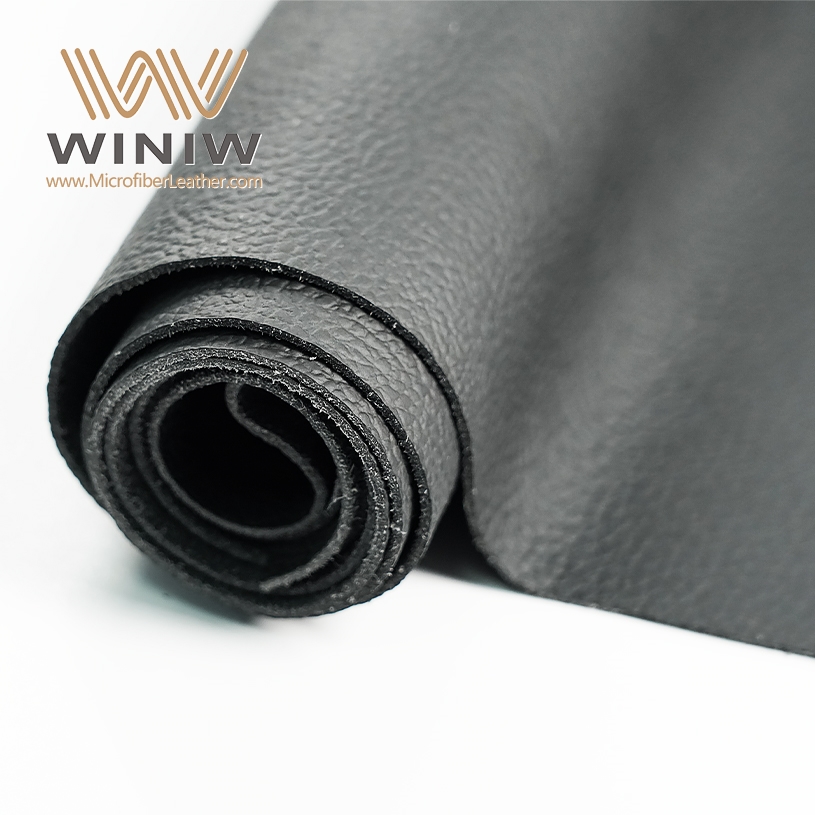
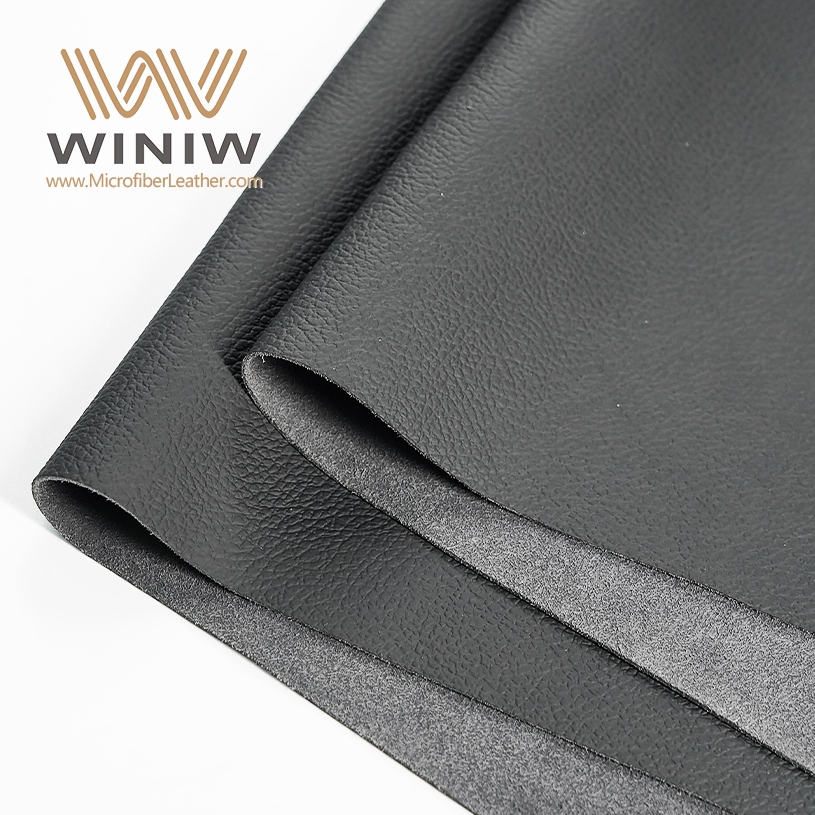
Quality matters when you want your car seat material to last. UV resistance plays a big role in protecting grey car interior fabric from fading and damage. Sunlight can cause colors to fade and materials to crack, especially if you park outside often. Fabrics designed for automotive use include UV stability, which helps prevent fading and keeps your interior looking new. These materials also withstand repeated cleaning and sunlight exposure, which increases their longevity.
- UV stability prevents fading and degradation of grey car interior fabric.
- Automotive fabrics maintain color retention, even after years of sunlight.
- Cold-crack resistance ensures durability in extreme climates.
- Upholstery combines strength and flexibility for various car seat material applications.
You can enhance UV resistance with modern treatments. Products like the 3D GLW Series SiO2 Ceramic Trim Restore add a protective layer against UV rays and environmental pollutants. System X Textile offers a user-friendly coating that repels liquids, stains, and UV rays. It dries quickly, maintains the original look and feel, and protects for up to two years. These solutions are safe, easy to apply, and help preserve the quality of your car seat material.
Tip: Regularly applying UV-protective treatments will help your grey car interior fabric stay vibrant and maintain its appearance for longer.
If you want to enjoy the best car interior colors and keep your car seat material looking sharp, always consider UV resistance as part of your decision. This step ensures your interior remains comfortable, stylish, and high in quality for years.
Durability & Care
Stain Resistance
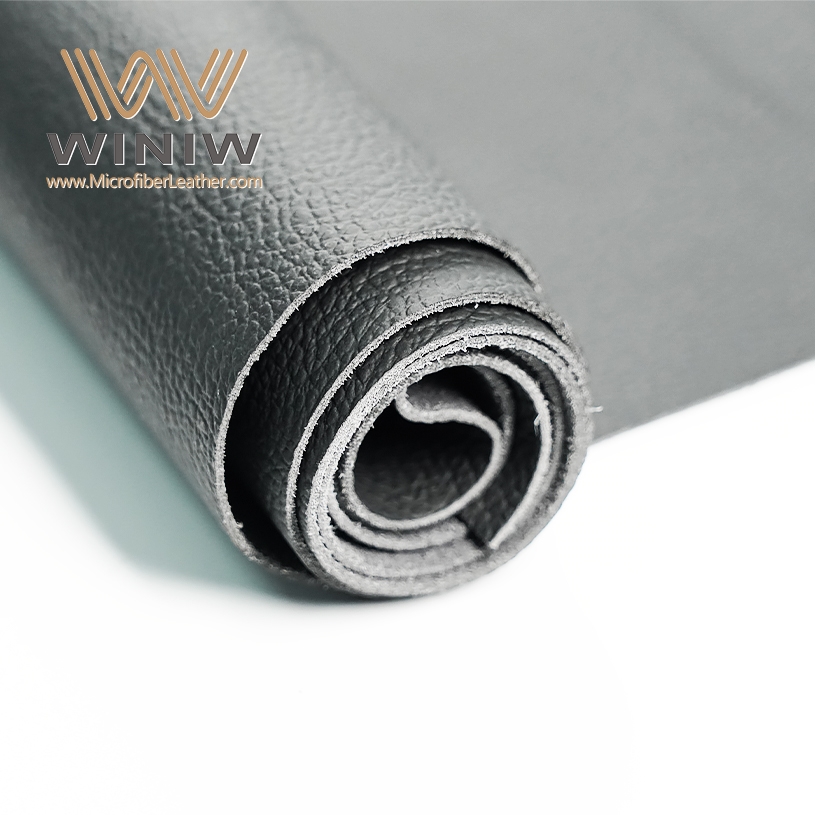
When you choose grey car interior fabrics, you want them to be stain resistant. This feature helps you keep your seats looking fresh, especially if you have kids or pets. Many modern fabrics come with a water resistant finish that blocks spills from soaking in. Durable fabric options, like microfiber and treated synthetics, offer strong protection against stains. Leather also resists most spills, making it a popular choice for families. If you want to boost stain resistance, you can apply a fabric protector after cleaning. This extra layer helps prevent future stains and makes maintenance easier.
Tip: Always blot spills right away. Quick action stops stains from setting and keeps your seats looking new.
Cleaning Ease
You need a car interior that is easy to clean. Regular care keeps your seats in top shape and extends their life. Here are some simple cleaning methods you can use:
- Use as little cleaner as possible and extract it quickly to avoid soaking the seats.
- Apply an All Purpose Cleaner (APC) and gently scrub with a brush before vacuuming up moisture.
- Choose an automotive fabric cleaner and consider a fabric protector like Never Wet or Scotch Guard after cleaning.
- For deep cleaning, professional services can shampoo and dry your seats thoroughly.
These steps help you maintain an easy to clean and stain resistant surface. Durable fabric choices make routine cleaning less of a chore, so you spend less time worrying about messes.
Wear Over Time
Durability matters when you want your car seats to last. Over several years, different fabrics show wear in unique ways. The table below highlights real user experiences with grey car interior fabrics:
| User Experience | Observations |
|---|---|
| User 1 | Noted color loss and dirtiness on the lower back of the driver’s seat after a couple of years despite regular care. |
| User 2 | Light grey leather still looks new after 37,000 miles. |
| User 3 | Grey leather in a 2002 Odyssey looked good at 160,000+ miles. |
| User 4 | Grey leather in a 2017 EX-L showed dye transfer from jeans but was easily cleaned. |
You can see that durable fabric and leather both offer long-term performance. Leather often stays looking new with proper care, while some fabrics may show color loss over time. Choosing a water resistant and easy to clean material helps you maintain your interior’s appearance and durability for years.
Fit & Budget
Compatibility
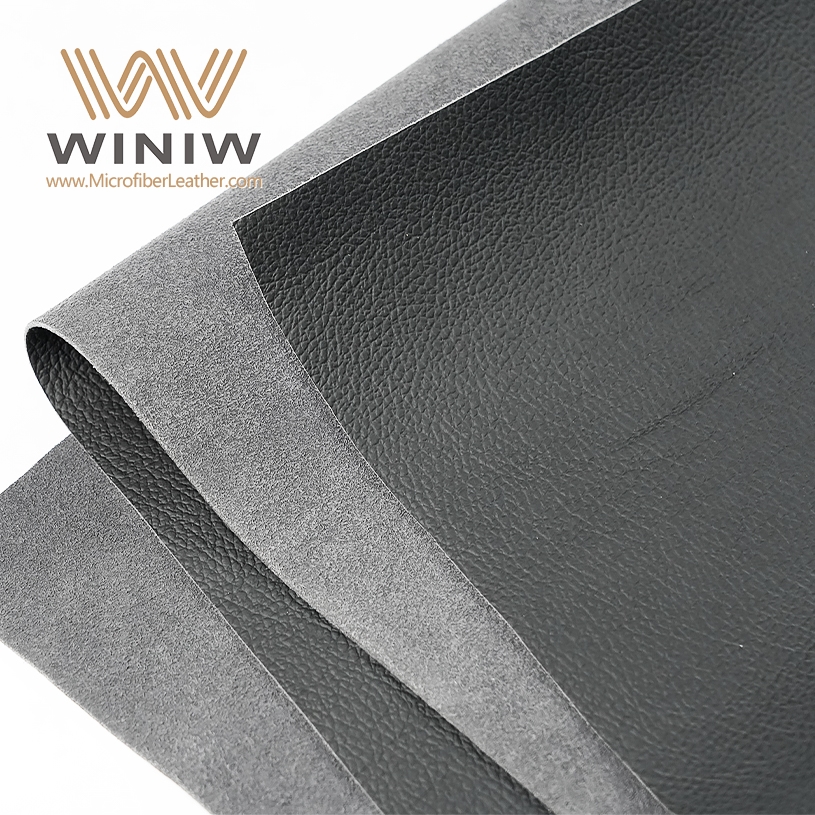
You need to make sure your new grey fabric fits your car’s interior perfectly. Not every material works for every model. You should check the type of leather or fabric, color, and texture before you buy. Some materials, like full-grain leather, offer better durability and quality. Always confirm that the fabric matches your car’s design and maintenance needs. The table below helps you compare important factors:
| Factor | Description |
|---|---|
| Type of Leather | Full-grain or top-grain leather gives you superior quality and durability. |
| Color and Texture | Pick a shade and texture that matches your car’s interior style. |
| Maintenance Requirements | Choose materials that are easy to clean and care for. |
| Compatibility | Make sure the fabric fits your car’s make and model. |
Tip: Check your car’s manual or consult with a specialist to avoid buying incompatible materials.
Installation
You can install new fabric yourself or hire a professional. Each option has benefits and drawbacks. DIY installation saves money and lets you work at your own pace. You may face challenges if you lack experience. Professional installation costs more but gives you expert results and often includes a warranty. The table below compares both options:
| Aspect | DIY Installation | Professional Installation |
|---|---|---|
| Cost | Lower material costs | Higher labor costs |
| Flexibility | Complete at your convenience | Must schedule with a professional |
| Expertise | May lack skills for a perfect finish | Skilled for precise application |
| Warranties | Usually none | Often included |
| Risk of Errors | Higher chance of mistakes | Fewer errors due to experience |
Note: If you want peace of mind and a flawless finish, professional installation is a smart choice.
Price Range
Grey car interior fabrics come in many price ranges. Vinyl starts as low as $2.10 per yard, while premium marine vinyl and twill weave can cost up to $19.98 per yard. Installation costs add to your budget. Replacing a single seat ranges from $200 to $750. Rear seats cost between $500 and $1,200. Full interior upgrades can reach $1,500 to $3,000, and luxury materials may exceed $5,000. Professional labor charges $50 to $100 per hour.
Tip: Set a budget before you shop. Balance cost with quality to get the best value for your car.
You have many options for upgrading your interior. Compare materials, installation methods, and prices to find the best fit for your needs.
To choose the right grey car interior fabric, follow these steps:
- Select durable materials for high-use areas.
- Consider style details like piping or two-tone designs.
- Prepare for installation by cleaning surfaces and using proper adhesives.
You can explore design trends, compare fabric types, and match colors to your car’s style. Use this guide as a checklist to make a confident, informed decision.

FAQ
What is the best way to keep grey fabric seats clean?
Vacuum your seats weekly. Use a gentle upholstery cleaner for stains. Blot spills quickly with a clean cloth. Regular care helps your seats stay fresh and prevents dirt from building up.
Can I install new interior fabric myself?
You can install fabric yourself with basic tools and patience. Follow instructions closely. If you want a perfect finish, consider hiring a professional for your car.
Do grey fabrics fade faster than other colors?
Grey fabrics resist fading well, especially if they have UV protection. Park in shaded areas or use sunshades to help your interior keep its color longer.
Are grey interiors good for families with kids or pets?
Grey interiors work well for families. They hide dirt and stains better than lighter colors. Choose stain-resistant materials for easier cleaning and maintenance.
How do I choose the right shade of grey for my interior?
Look at your car’s lighting and style. Light grey creates a bright, open feel. Dark grey offers a modern, cozy look. Pick a shade that matches your taste and lifestyle.