You might wonder what is a headliner in your car. A car headliner covers the interior roof with a multi-layered material. You gain insulation against heat and noise, which improves comfort and reduces outside sounds. Automotive studies show that Car Head Liners also hide wires and structural parts, making your vehicle look clean and stylish.
Knowing how to care for your headliner helps you keep your car’s interior in top shape.
Car Headliners and Their Role in Vehicle Interiors
- A car headliner enhances comfort by insulating against heat and noise, making your ride more enjoyable.
- Headliners conceal wires and components, keeping the interior of your car looking clean and organized.
- Regular cleaning and maintenance of your headliner can prevent stains and prolong its lifespan.
- Choosing the right materials for your headliner can improve durability and comfort, impacting your overall driving experience.
- Upgrading to a stylish headliner can increase your car’s resale value and create a more inviting atmosphere.
What Is a Car Headliner?
Headliner Definition
A car headliner is the material-covered panel that you see when you look up at the interior roof of your vehicle. This panel covers the ceiling of a vehicle and creates a smooth, finished appearance inside the cabin. Automotive engineering sources describe a car headliner as a key component that enhances the look of your car, provides insulation, and improves comfort. You will notice that most automotive headliners use fabric or synthetic material bonded to a foam or composite backing. This construction helps with soundproofing, thermal insulation, and even adds some structural support to the roof area.
When you sit inside your car, the headliner is the first thing you notice above your head. It plays a big role in making the interior feel cozy and quiet.
Structure and Placement
You find the car headliner attached directly to the interior roof. Manufacturers design it to fit snugly, so it hides any wires, airbags, or structural parts that run along the top of your vehicle. The main structural components of a car headliner include several layers:
- A face fabric, often a soft tricot knit, which gives a pleasant touch.
- A foam or nonwoven backing that adds thickness and comfort.
- A composite base that holds everything together and attaches to the roof.
Most automotive headliners use these layers to create a barrier between you and the metal roof. This barrier helps insulate the cabin from outside noise and temperature changes. You also benefit from the headliner’s ability to conceal wiring and other components, which keeps the interior looking sleek and uncluttered.
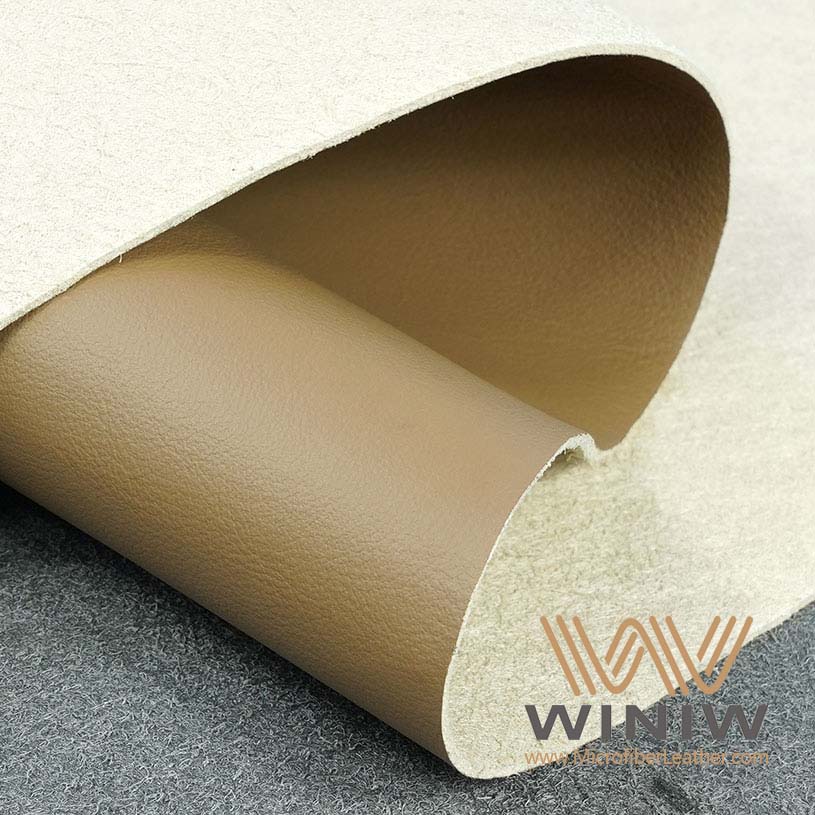
Here is a quick overview of what makes up a typical car headliner:
| Component | Function |
|---|---|
| Face Fabric | Provides a soft, attractive surface |
| Foam/Nonwoven | Adds comfort, insulation, and soundproofing |
| Composite Base | Offers structure and support |
You can see that the car headliner does more than just cover the roof. It improves your driving experience by making the interior quieter, more comfortable, and visually appealing. Automotive headliners are essential for both function and style in every modern vehicle.
Headliner Benefits
Insulation and Noise Control
You experience a quieter and more comfortable ride because the car headliner acts as a barrier between you and the outside world. The headliner uses a knit fabric layer and a foam-like polyurethane layer to provide insulation against heat and noise. This design helps keep the interior against heat and noise, especially during extreme weather. Upgrading the headliner insulation can reduce heat transfer, which makes your car cooler in summer and warmer in winter. You also benefit from improved fuel efficiency since you rely less on air conditioning.
Noise control is another major advantage. The headliner’s multi-layer construction absorbs road and wind sounds, giving you insulation from noise. Sound deadening materials in the headliner can lower interior noise levels by up to 10–15 decibels. Butyl-based mats inside the headliner have a noise reduction coefficient of about 0.65–0.75, which means they block vibrations and unwanted sounds. You notice a cleaner sound stage and better audio clarity when you listen to music or talk with passengers.
Concealment of Components
You might not realize how many parts run along your car’s roof. The car headliner helps hide wiring and hardware for electrical systems, antennas, and other accessories. This concealment keeps the cabin looking neat and uncluttered. You avoid seeing tangled wires or exposed metal, which can distract you while driving. The headliner also provides insulation against heat and noise, so you enjoy a more pleasant environment.
Interior Comfort and Style
You feel more relaxed and enjoy your time in the car when the interior looks and feels inviting. The car headliner plays a big role in creating this atmosphere. Unique and customizable designs, such as starlight headliners, allow you to personalize your space with star patterns and colors. Soft lights from these headliners create a calming ambiance, making every drive more enjoyable. A visually appealing headliner can increase your car’s resale value by attracting buyers who appreciate a stylish interior.
Starlight headliners are synonymous with luxury. They turn your car into a mobile sanctuary, offering a serene and opulent atmosphere.
You get a relaxing and luxurious environment, a personalized touch, and a sense of wonder during night-time drives. The headliner transforms your car’s interior into a space that feels both comfortable and unique.
Car Head Liners Materials
Fabric and Foam Layers
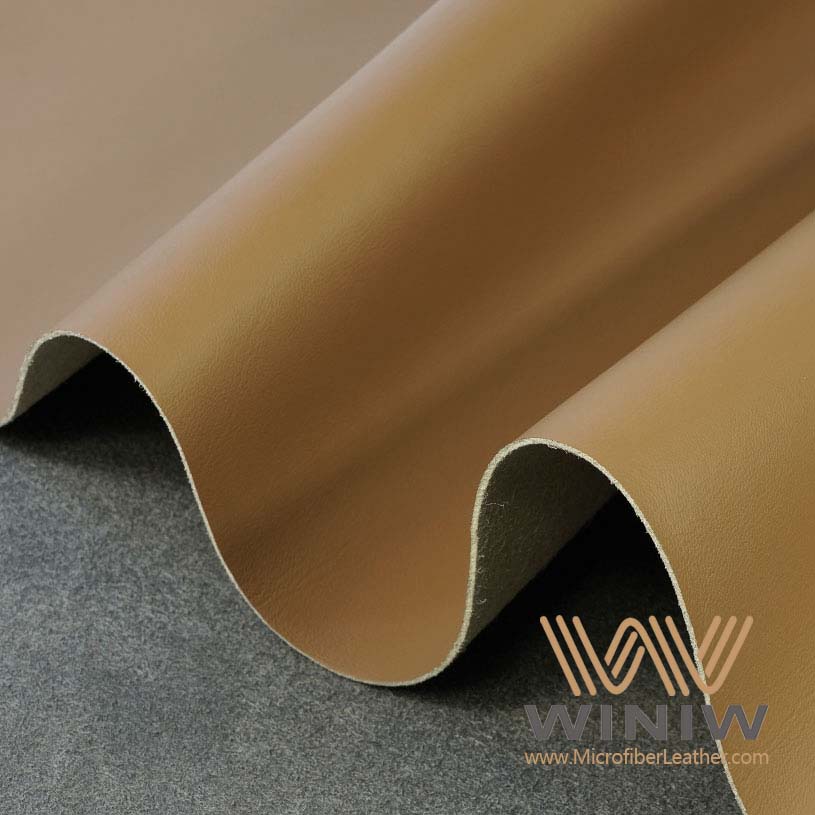
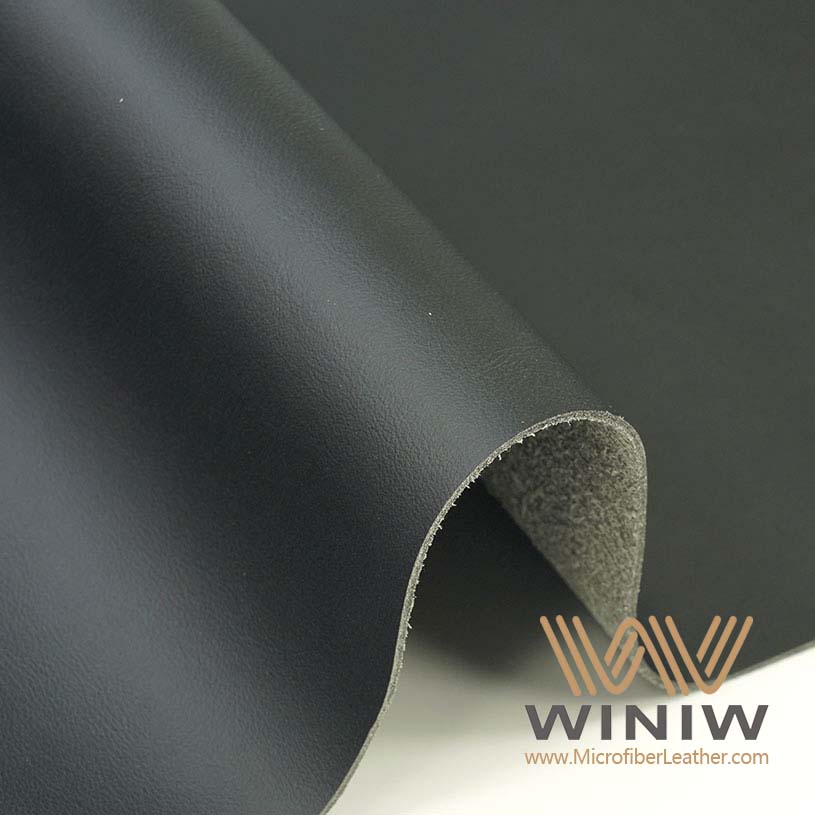
You encounter a wide range of materials when you look at car head liners. Manufacturers often use a combination of fabric and foam layers to achieve the best results for comfort and durability. The most common fabrics include Royal Velvet, Galaxy Vinyl, automotive headliner fabric, marine vinyl, and faux leather crocodile. Each material offers unique benefits:
- Royal Velvet provides a soft, flat look and comes in many colors.
- Galaxy Vinyl gives you a faux leather feel with a flannel backing, making it durable and easy to clean.
- Automotive headliner fabric uses 100% polyester, which is lightweight and simple to spot clean.
- Marine vinyl resists water and UV rays, making it ideal for harsh climates.
- Faux leather crocodile delivers a sleek, upscale appearance for car head liners.
The foam layer in car head liners acts as a sound barrier and insulator. You notice less road noise and more consistent cabin temperatures. The foam absorbs sound reflections, traps unwanted noise, and helps maintain a comfortable environment. You benefit from materials that withstand temperature changes and humidity, while UV-resistant properties prevent fading and deterioration.
The bond between fabric and foam in a car headliner resists delamination, so you enjoy a longer-lasting interior.
Composite Construction
You see composite construction in modern car head liners because it offers several advantages. Lightweight composites with a urethane core improve strength and stiffness. This design makes installation easier and allows for complex shapes that fit your vehicle perfectly. Custom foam formulations enhance acoustical performance and molding strength, so your car headliner provides better noise control and insulation.
Composite materials also support sustainability. Non-toxic fabrics reduce volatile organic compounds, improving air quality inside your car. Manufacturers use environmentally friendly processes and natural fibers to lower costs and carbon footprints. Innovations like recycled thermoplastics and bio-based composites help car head liners become lighter and more eco-friendly.
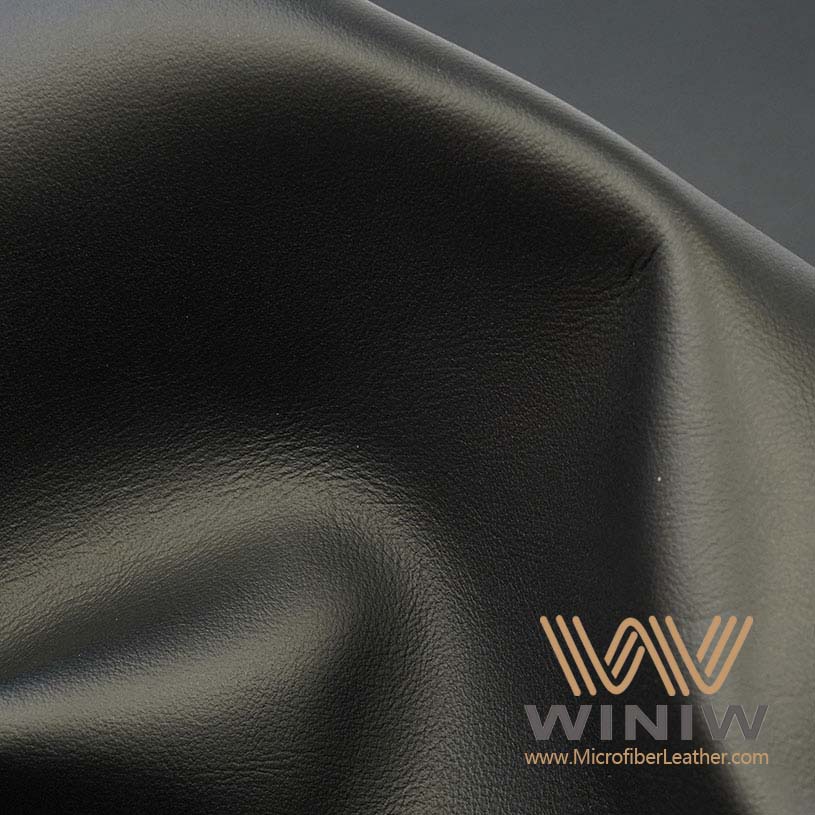
Luxury vehicles often use higher-quality materials and unique designs for their car headliner. You may find eco-friendly textiles, granite, or copper trim in premium models, which set them apart from standard vehicles.
Material choice affects the durability and longevity of car head liners. Vinyl stands out for its UV resistance, preventing fading and cracking in sunlight. High-quality options like suede and microfiber resist tearing and wear, so your car headliner stays looking new. Your vehicle type, budget, and climate all influence which materials work best for you.
| Material Type | Durability | Comfort | Appearance | Environmental Impact |
|---|---|---|---|---|
| Royal Velvet | High | Soft | Flat Look | Moderate |
| Galaxy Vinyl | Very High | Firm | Faux Leather | Low VOC |
| Automotive Fabric | Moderate | Light | Simple | Eco-friendly |
| Marine Vinyl | Very High | Firm | Sleek | UV/Water Resistant |
| Faux Leather Crocodile | High | Firm | Upscale | Moderate |
Choosing the right car head liners material ensures you get the best combination of comfort, style, and durability for your vehicle.
Headliner Care and Maintenance
Cleaning Tips
You can keep your car’s headliner looking fresh by using the right tools and techniques. Dirt, dust, smoke residue, and even oil marks from hair products often collect on the fabric. Regular cleaning prevents stains and helps maintain a pleasant interior.
Recommended tools and products:
- Soft-bristle upholstery brush: Loosens debris without damaging the fabric.
- Microfiber towels: Lifts grime and leaves no lint.
- Fabric cleaner or interior detailer: Choose one made for automotive fabrics.
- Spray bottle: Allows even application of cleaner.
- Interior detailing brush or swab: Reaches tight spots.
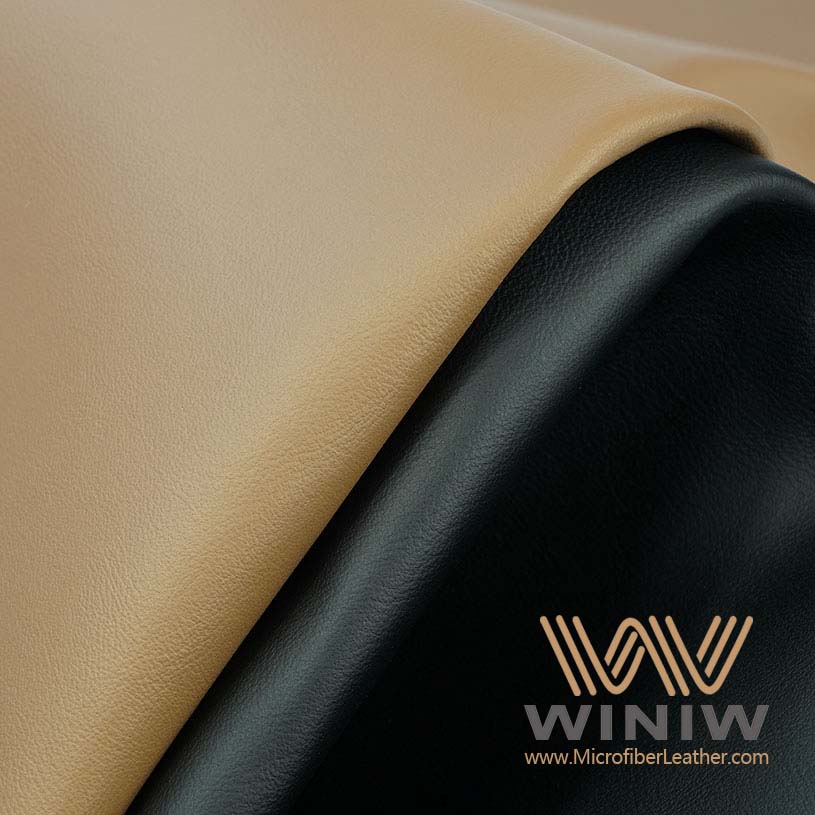
Step-by-step cleaning process:
- Select a foam cleaner designed for car interiors.
- Test the cleaner on a hidden area first.
- Spray the cleaner onto your brush or towel, not directly on the headliner.
- Gently work in small, circular motions.
- Blot away residue with a dry microfiber towel.
- Let the headliner air-dry with good airflow.
Avoid over-saturating the surface, using harsh chemicals, or applying too much pressure. These mistakes can weaken adhesives, stretch fabric, or cause sagging.
| Product Name | User Experience Description |
|---|---|
| Car Guys Super Cleaner | Cleans like new—apply and wipe. |
| Folex Carpet Spot Remover | Removes greasy hand prints, restores appearance. |
| P&S Xpress Interior Cleaner | Works well when diluted and used with a microfiber towel. |
| Amorall Wipes | Picks up gunk with minor scrubbing. |
Repair and Replacement
You may notice sagging, stains, or mold spots as your headliner ages. Heat, humidity, and leaks often cause these issues by weakening adhesives and breaking down foam. If you see water stains or detect a musty smell, check for leaks around the sunroof or doors.
Common repair methods:
- Use a special headlining adhesive for partial sagging.
- Pin the fabric with sequin or twist pins for a quick fix.
- Use a steam cleaner to reactivate glue, then smooth the fabric with a paint roller.
If the damage is severe or mold has developed, replacing the headliner may be the safest option. Neglecting maintenance can lead to health risks from mold and permanent interior damage. Regular care extends the life of your headliner and keeps your car comfortable and safe.
You rely on your car’s headliner for comfort, style, and safety. Headliners insulate your cabin, reduce noise, and conceal wiring. Modern headliners also integrate with airbags and crash sensors, helping protect you during collisions. Manufacturers design headliner fabrics to meet strict flammability standards, which helps prevent fire hazards.
- Insulates against heat and sound
- Conceals wires and hardware
- Supports airbag deployment
- Meets fire safety regulations
Regular cleaning and prompt repairs keep your headliner looking great and functioning safely. Pay attention to its condition to enjoy a safer, more comfortable ride.

FAQ
What causes a car headliner to sag?
You often see sagging when heat weakens the adhesive or foam backing. Moisture, age, and poor cleaning methods also contribute. Regular inspection helps you catch early signs and prevent further damage.
Can you clean a headliner without professional help?
You can clean your headliner using a soft brush and a gentle fabric cleaner. Avoid soaking the material. Light scrubbing and blotting with a microfiber towel remove most stains.
How do you know when to replace your headliner?
You should replace your headliner if you notice persistent sagging, mold, or severe stains. Repairs work for minor issues, but replacement ensures safety and restores your car’s appearance.
Are aftermarket headliners as good as factory ones?
Aftermarket headliners offer similar quality if you choose reputable brands. You can select materials that match your needs. Proper installation ensures durability and comfort.