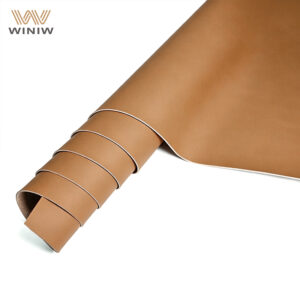
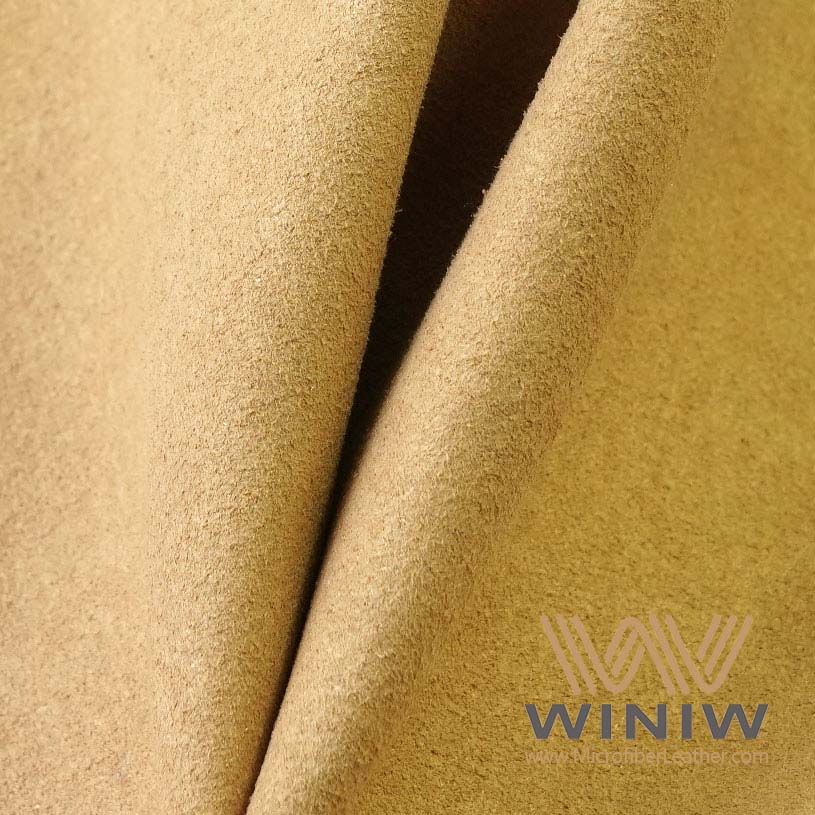
When you select suede lining fabric, focus on quality, durability, sustainability, compatibility in color, texture, and weight, plus testing samples. Matching the lining to the outer fabric improves both function and style. Textile experts often recommend considering durability, aesthetics, cost, and project purpose, as shown below:
| Factor | Description |
|---|---|
| Durability | Choose fabrics like Cordura nylon for heavy use or cotton for lightweight needs. |
| Aesthetics | Consider color, pattern, and texture to complement the project’s exterior and user experience. |
| Cost | Balance between budget-friendly options like cotton and premium fabrics like silk. |
| Project Purpose | Select linings based on specific needs, e.g., durable for totes, luxurious for clutches. |
How to Choose Suede Lining Fabric That Complements Your Outer Fabric
- Choose suede lining fabric based on durability, aesthetics, and project purpose. This ensures the lining meets your needs and enhances the overall design.
- Always test fabric samples before making a final decision. Testing helps you assess strength, flexibility, and quality, preventing costly mistakes.
- Look for sustainable options with certifications like GRS or Higg Index. This choice supports responsible practices and benefits the environment.
Understanding Suede Lining Fabric
Types: Real, Faux, Microfiber
You will find three main types of suede lining fabric: real suede, faux suede, and microfiber suede. Each type offers unique features that can impact your project’s comfort, durability, and cost. The table below highlights the main differences:
| Feature | Real Suede | Faux Suede | Microfiber Suede |
|---|---|---|---|
| Material | Derived from animal hide | Made from synthetic materials | Made from synthetic fibers |
| Texture | Soft and luxurious | Mimics suede appearance | Soft and smooth |
| Durability | Less durable, prone to damage | Varies, generally less durable | Highly durable |
| Water Resistance | Not waterproof | Often water-resistant | Water-resistant |
| Maintenance | Requires special care | Easy to clean | Easy to maintain |
| Breathability | Breathable | Less breathable | Breathable |
| Cost | More expensive | Usually the least expensive | Mid-range cost |
| Ethical Considerations | Animal-derived | Vegan-friendly | Vegan-friendly |
- Microfiber suede is generally more affordable than real suede, making it accessible to a wider range of customers.
- Faux suede is much less expensive than real suede while maintaining a similar look and feel.
- Real suede is more expensive due to its high-end nature and natural sourcing, often associated with luxury fashion.
Key Qualities and Benefits
Suede lining fabric stands out for its lightweight yet durable nature. You will notice that it feels soft and comfortable, making it ideal for garments you wear often. The porous structure allows for excellent breathability, which helps keep you comfortable during extended wear. Suede lining fabric also provides moderate insulation, so it works well for outerwear in cooler weather. You can dye it in many colors, giving you flexibility in design. Recent advances in suede technology have improved comfort and durability, with new coatings that resist stains and enhance breathability. These qualities make suede lining fabric a smart choice for both style and function.
How to Choose the Best Suede Lining Fabric
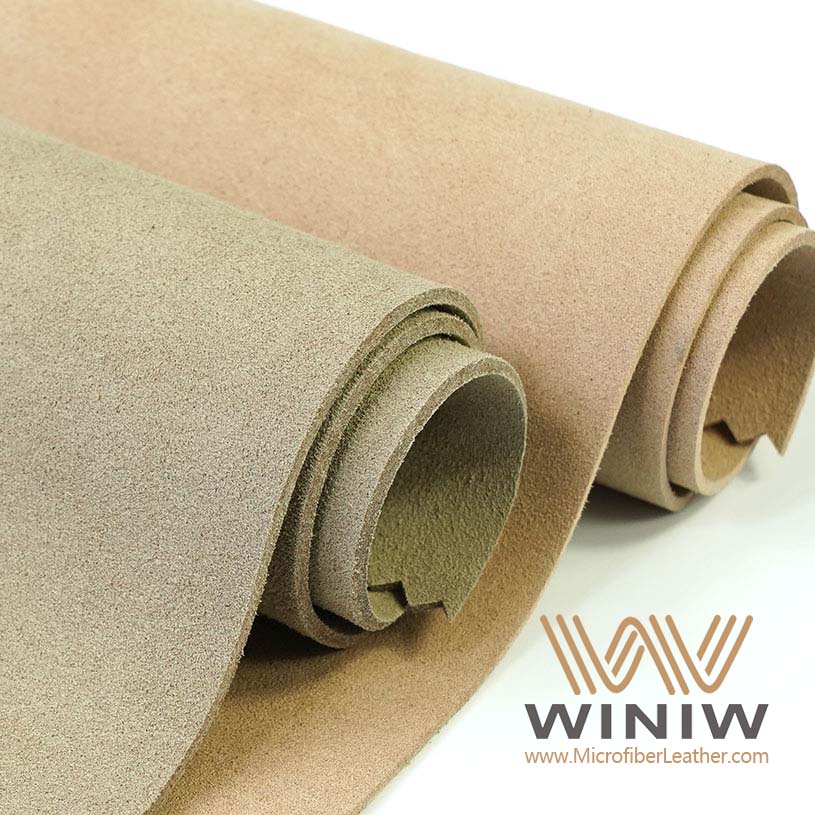
Choosing the right suede lining fabric for your project involves several steps. You want to make sure the lining matches your needs, complements your outer fabric, and stands up to daily use. Use the following guide to make confident decisions.
Assess Project Needs
Start by thinking about the purpose of your project. Different garments and accessories require different types of suede lining fabric. For example, you might need a soft lining for a jacket or a durable one for a tote bag. Consider how often you will use the item and what kind of wear it will face. Designers often look for comfort, flexibility, and style in clothing and accessories. You want a lining that feels pleasant against the skin and moves with you.
Here is a quick reference table to help you match suede types to common uses:
| Type of Suede | Characteristics | Best Uses |
|---|---|---|
| Cowhide Suede | Durable and robust | Furniture, shoes, bags |
| Lamb Suede | Soft and lightweight | High-end fashion garments, accessories |
| Pig Suede | Rougher texture, thicker | Lining shoes, workwear |
Tip: Always consider the specific needs of your project before selecting a lining. Everyday items need durability, while luxury pieces benefit from softer, more delicate suede.
Match Weight and Structure
You need to match the weight and structure of the suede lining fabric to your outer fabric. If your outer fabric is heavy, choose a lining that can support its weight. Lightweight linings work best with delicate outer fabrics. The fabric decision-making guide helps you categorize options by weight and type, making it easier to evaluate which suede lining fabric fits your project.
- Heavy outer fabrics (like wool or canvas) pair well with robust cowhide suede.
- Lightweight outer fabrics (like silk or rayon) work best with lamb suede.
- For structured items like bags, choose a lining that adds support without bulk.
Color and Texture Compatibility
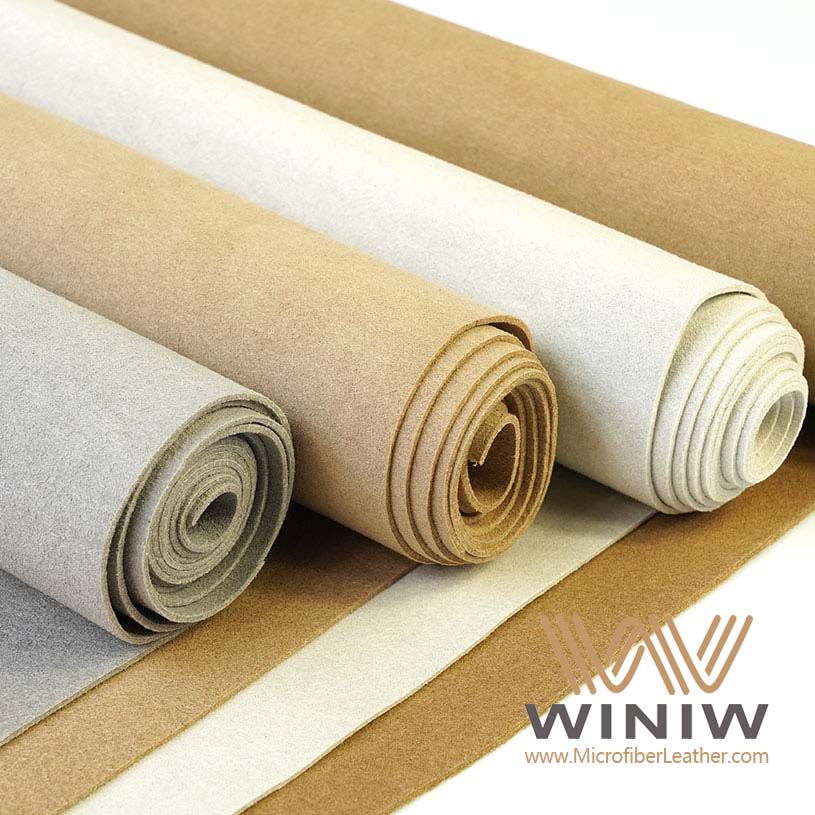
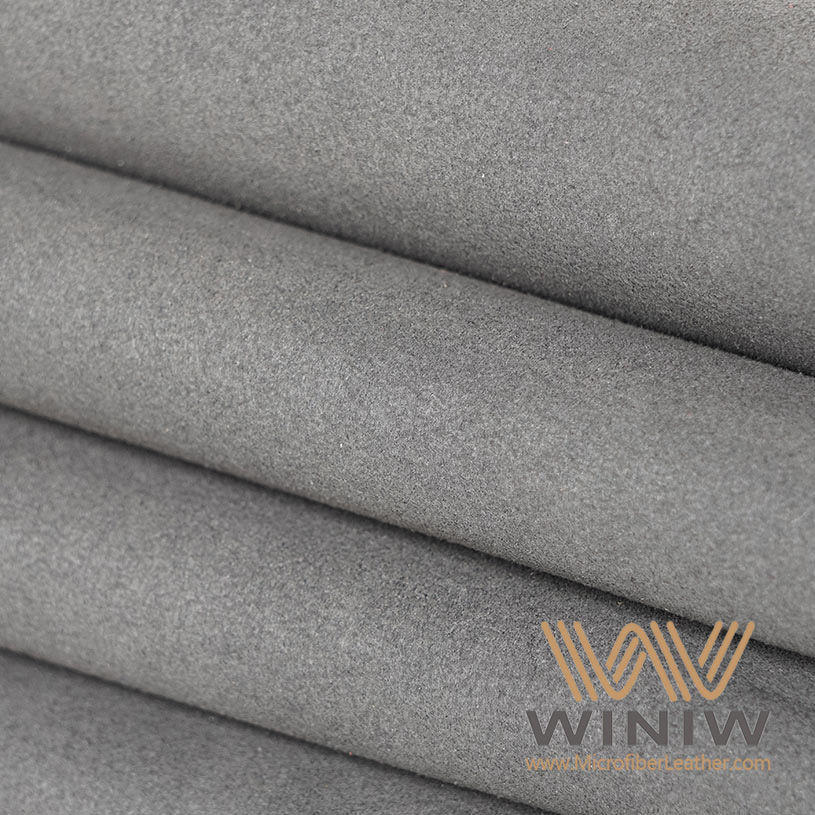
Select a suede lining fabric that complements the color and texture of your outer fabric. You want the lining to enhance the overall look, not clash with it. Feel the texture of the suede. Look for a smooth, soft surface without bald spots. Designers check for a consistent nap and even grain, which signal high quality.
- Choose colors that match or contrast tastefully with your outer fabric.
- Make sure the texture feels pleasant and suits the style of your project.
Check Quality and Durability
Quality indicators help you pick the best suede lining fabric. Examine the texture, flexibility, and durability. High-quality suede has a smooth, velvety feel and bends easily without cracking. It withstands regular use and shows minimal wear. Polyester suede resists stains and abrasion better than genuine suede, making it ideal for high-use items. You also want to check for colorfastness and ease of maintenance.
Here is a table of quality indicators to guide your inspection:
| Quality Indicator | Description |
|---|---|
| Texture | Smooth, soft, consistent nap |
| Flexibility | Supple, bends easily |
| Durability | Withstands regular use |
| Grain | Fine, even grain |
| Nap | Uniform raised fibers |
| Edges | Clean, well-finished |
Note: Faux suede requires less care and is easier to clean than real suede. Real suede needs special cleaning to maintain its appearance.
Sustainability and Care
If you care about sustainability, look for suede lining fabric with certifications like GRS or Higg Index. These labels show that the manufacturer follows responsible practices. Maintenance also matters. Suede needs special tools like a suede brush. It is sensitive to moisture, so you should blot and air-dry it if it gets wet. Regular brushing keeps dirt from settling into the fibers.
- GRS certification and Higg Index system indicate sustainable production.
- Use a suede brush for cleaning.
- Avoid heat or sunlight when drying suede.
- Brush regularly to maintain appearance.
Test with Samples
Before you commit to a suede lining fabric, test samples. Physical tests help you check strength and structure. Try pull tests, stretch tests, and fatigue tests to find weak spots. Chemical tests ensure safety and colorfastness. Performance tests show how the fabric reacts to washing and abrasion. Visual inspection helps you spot defects like stains or uneven stitching.
Follow these steps to test your samples:
- Assess strength and flexibility with pull and stretch tests.
- Check for harmful substances and colorfastness.
- Wash and abrade the sample to see how it holds up.
- Inspect for stains, bald spots, or uneven stitching.
Tip: Always test samples before final production. This step helps you avoid costly mistakes and ensures the best results.
Quick Decision Checklist
Use this checklist to guide your selection process:
- Have you matched the suede lining fabric to your project’s needs?
- Does the weight and structure fit your outer fabric?
- Is the color and texture compatible?
- Have you checked quality indicators?
- Is the fabric certified for sustainability?
- Do you know how to care for the lining?
- Have you tested samples for performance?
You can use this systematic approach to feel confident in your choice. Categorize your options by weight and type, and always test before making a final decision.
You can select the best suede lining fabric by focusing on quality, color, and structure. Designers often choose faux suede for its sophisticated look, easy care, and sustainability. Always test samples before deciding:
- Check for wrinkle resistance and safety.
- Research chemical treatments and off-gassing.
- Avoid poor-quality materials and construction.

FAQ
What is the best way to clean suede lining fabric?
Use a suede brush to remove dirt. Blot stains with a clean cloth. Avoid water and heat. Always follow care instructions on the label.
Can you use faux suede as a lining for heavy outer fabrics?
You can use faux suede for heavy fabrics if it has enough thickness and durability. Always test a sample first to check support and comfort.
How do you prevent suede lining from pilling or wearing out?
- Brush the lining regularly.
- Store items in a cool, dry place.
- Avoid friction with rough surfaces.How to Choose Suede Lining Fabric That Complements Your Outer Fabric