Article
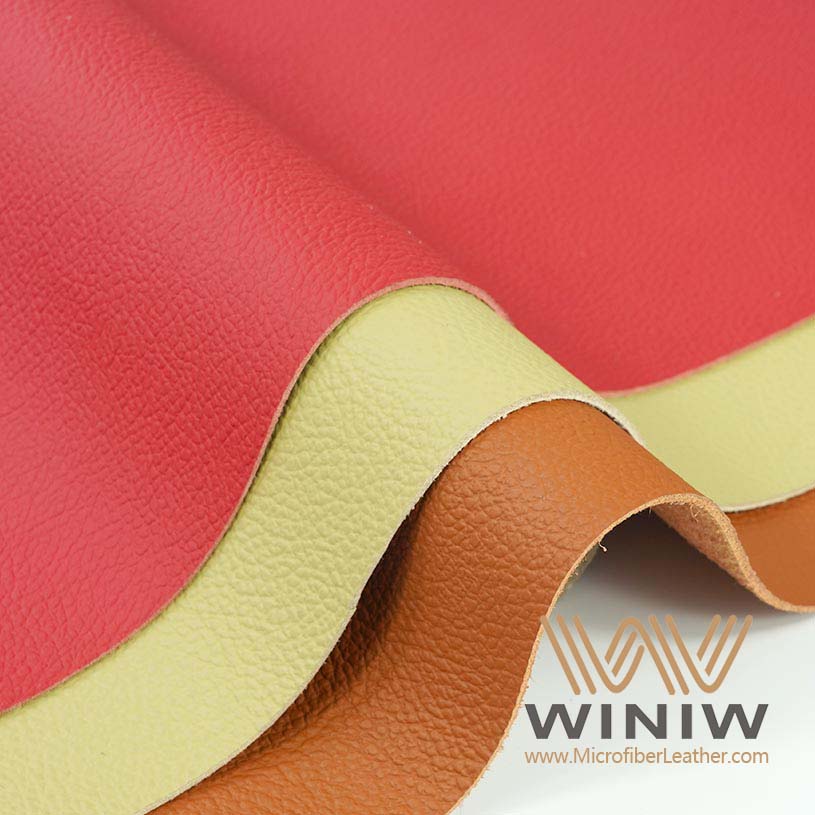
You see perforated auto leather in many luxury cars. Tiny, evenly spaced holes set this material apart from regular leather. Perforated leather lets air flow, which boosts breathability and comfort. You enjoy more comfortable seating on hot days. Many premium vehicles choose it for both style and performance.
Understanding Perforated Auto Leather and Its Manufacturing Process
- Perforated auto leather enhances comfort by allowing air to flow, reducing heat and moisture buildup during hot weather.
- This material not only looks luxurious but also improves sound absorption, making your driving experience quieter.
- Regular maintenance, such as cleaning and conditioning, keeps perforated leather looking new and extends its lifespan.
What Is Perforated Auto Leather?
Key Features and Uses
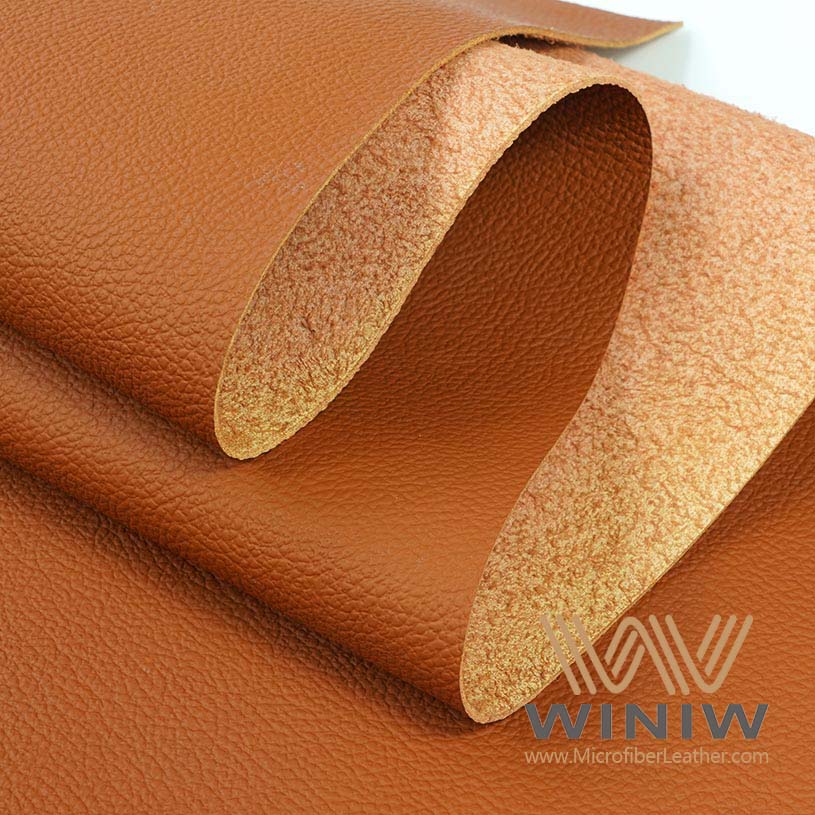
You notice perforated auto leather in many premium car interiors. This material stands out because of its tiny, evenly spaced holes. These holes improve breathability and comfort, making your driving experience more enjoyable. When you sit on perforated leather, you feel cooler, especially during hot weather. The holes allow air to circulate, which reduces sweating and moisture buildup. You also benefit from sound absorption, as perforated automotive leather helps keep the cabin quieter by reducing road noise.
Perforated leather offers more than just comfort. You see it in luxury vehicles because it gives interiors a high-end appearance. The patterns of the holes can vary, adding a touch of style and sophistication. You find that this material provides traction, so you do not slip during turns or sudden stops. Many automakers choose automotive perforated leather for its ability to regulate temperature. Heated and cooled seats work more efficiently with this material, allowing for quicker adjustments.
Tip: If you want a quieter ride and less sweating, perforated leather is a smart choice for your car interiors.
Over the past decade, you see a strong trend toward using perforated auto leather. The demand has increased as drivers look for improved ventilation and reduced heat retention. Most upholstery producers now focus on creating breathable leather, and automakers integrate temperature-regulating features into new models. You also notice a shift toward eco-friendly materials, with many buyers preferring sustainable options for their interiors.
Comparison with Regular Leather
You might wonder how perforated auto leather compares to regular leather. The main difference lies in the holes. Perforated leather has tiny holes that enhance breathability, while regular leather does not. This change affects several aspects of your driving experience.
Here is a table that shows the differences:
| Characteristic | Perforated Leather | Other Types of Leather |
|---|---|---|
| Breathability | Enhanced due to tiny holes | Limited, often less breathable |
| Comfort | Improved air circulation and temperature control | Varies, generally less comfortable |
| Aesthetic Appeal | Luxurious look and feel | Varies, may not have the same luxury feel |
| Temperature Control | Helps keep seats cool | Less effective in temperature regulation |
| Sound Absorption | Reduces noise | Varies, often less effective |
You experience better airflow and cooling efficiency with perforated automotive leather. Regular leather absorbs solar radiation quickly, which can make seats hot under sunlight. Perforated leather allows air to move, so you feel cooler and more comfortable. You also notice that perforated leather absorbs sound, making your ride quieter compared to regular leather.
Automotive perforated leather gives your car interiors a modern and luxurious look. You see it in high-end models because it combines style with practical benefits. If you value breathability and comfort, you find perforated leather to be a superior choice for your seats and interiors.
Manufacturing Process of Automotive Perforated Leather
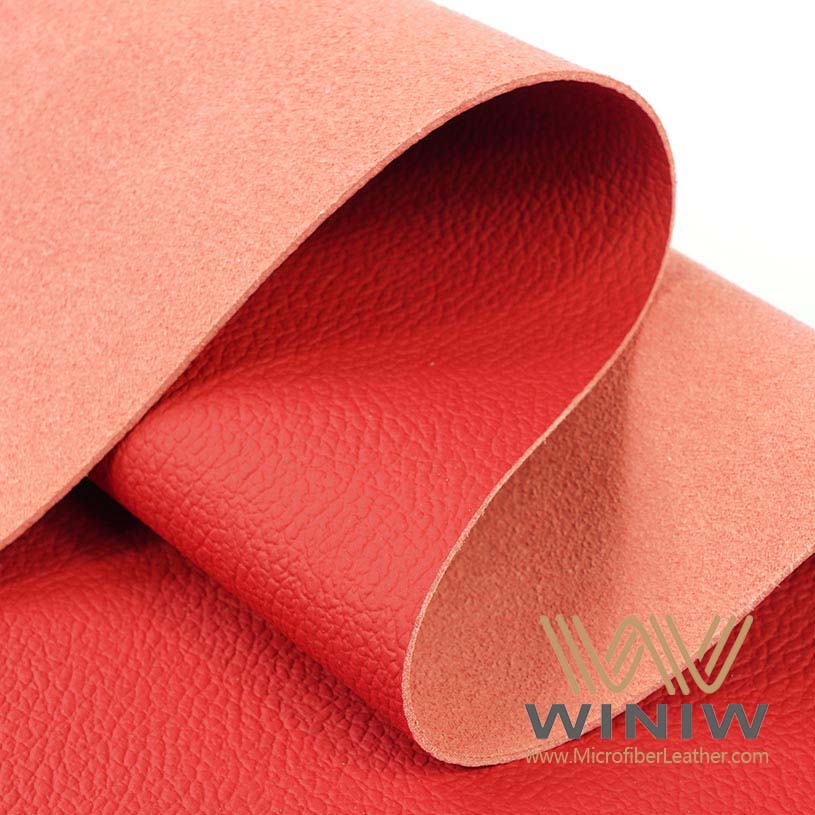
When you look at the interiors of premium vehicles, you notice the unique texture and design of perforated leather. The manufacturing process behind automotive perforated leather involves several precise steps to ensure quality, durability, and the signature breathability and comfort that drivers expect.
Leather Selection and Preparation
You start with the selection of raw materials. Manufacturers choose high-quality hides, such as calfskin, cow, or lambskin, for their smooth texture and strength. This careful selection ensures that the final product meets the high standards required for automotive interiors. The hides go through a preparation process that includes cleaning, softening, and treating the surface. This step removes imperfections and creates a uniform base for the perforation process.
| Criteria | Description |
|---|---|
| Raw Material Selection | High-quality calfskin, cow, and lambskin hides are carefully selected for their smooth texture and strength. |
After selection, you see the hides tanned and dyed to achieve the desired color and finish. The thickness of the leather plays a key role in its application. For automotive upholstery, manufacturers often use leather in the 1.2–1.8 mm range. This thickness offers a balance of pliability and resilience, making it ideal for seats and other interior surfaces.
Perforation Techniques
The next step is the perforation process, where advanced machinery creates the small, evenly spaced holes that define perforated leather. You find several techniques used in the industry, each offering unique benefits for automotive interiors.
| Perforation Technique | Description | Impact on Final Product |
|---|---|---|
| Mechanical Punch Perforation Machine | Uses precision steel punches for consistent results, best for natural and medium-density synthetic leather. | Ensures uniformity and high throughput in production. |
| Rotary Die Perforation Machine | Employs cylindrical dies for continuous processing, ideal for high-volume synthetic materials. | Facilitates efficient mass production of door coverings. |
| Laser Leather Perforation Machine | Utilizes CO₂ or fiber lasers for non-contact perforation, allowing for micro-perforation. | Provides flexibility in design and enhances aesthetic appeal. |
| CNC Servo Perforation Machine | Integrates computer control for precision and dynamic patterns, preferred for high-end interiors. | Enables complex designs and variable densities in luxury cars. |
| Uniform Micro-Perforation | Creates small holes (0.5–1.0 mm) for improved breathability and sound absorption. | Maintains leather strength while enhancing comfort. |
| Gradient Perforation | Uses variable hole densities for visual appeal and functional airflow. | Balances aesthetics with performance, especially near speakers. |
| Patterned Decorative Perforation | Designed for brand aesthetics with specific patterns synchronized with stitching. | Enhances brand identity and visual integration in interiors. |
| Laser Fine-Cut Perforation | Enables ultra-clean edges, ideal for synthetic and PU-coated materials. | Improves the quality and finish of synthetic leather products. |
You see that modern technology has transformed the perforation process. Laser cutting machines and CNC-controlled systems allow for intricate designs and micron-level accuracy. Automation increases consistency and safety, especially in high-volume production. High-speed models can process up to 10–15 linear meters per minute, making the process efficient for large-scale automotive interiors.
Common design patterns, such as 330, 419, 457, Euro MK 153, and Multiple Diamond, give you options for customizing the look of your car seats and panels. Perforation diameters usually range from 0.047 to 0.052 inches, and the arrangement of holes can be tailored for both aesthetics and performance. These patterns not only enhance the visual appeal but also improve ventilation and sound absorption, making your ride more comfortable and quiet.
Note: The design of perforated automotive leather directly impacts breathability and comfort, especially during long drives or in hot weather.
Quality Control Steps
Quality control is essential in the production of automotive perforated leather. You want your car interiors to look great and last for years, so manufacturers implement strict monitoring at every stage.
- Inspect each hide for texture, flexibility, and color accuracy before perforation.
- Monitor the perforation process to ensure hole size, spacing, and pattern consistency.
- Test the finished leather for durability, checking for resistance to wear, stretching, and fading.
- Evaluate the breathability and comfort of the final product by simulating real-world conditions.
Manufacturers also use advanced technology, such as IoT-enabled models, to track performance and diagnose issues remotely. This approach helps maintain high standards and reduces the risk of defects.
You benefit from these quality control steps because they guarantee that the perforated leather in your car seats and interiors will withstand daily use. The right thickness and precise perforation process ensure that the leather remains strong, flexible, and breathable. Regular testing and inspection help maintain the premium look and feel that you expect from automotive perforated leather.
Tip: If you plan to upgrade your car interiors, request physical swatches to assess the quality and perforation details before making a decision.
Benefits, Quality, and Care of Perforated Leather Car Seats
Comfort and Airflow Advantages
When you choose perforated leather car seats, you experience several important benefits. These seats offer improved airflow because the micro-holes allow air to circulate between your body and the seat. You notice less heat build-up under your legs and back during long drives. This means you sweat less and feel less sticky, especially in hot climates. The ventilation system in your car works more efficiently with perforated leather, making heated and cooled seats more effective. Perforated automotive leather helps dissipate heat quickly, so you stay comfortable even in summer. You also enjoy enhanced breathability and comfort, which makes every drive more pleasant.
Note: While perforated leather car seats provide better airflow than solid leather seats, they do not match the breathability of mesh fabric. However, you still get a cooler and more luxurious ride compared to standard leather.
Quality and Types of Perforated Automotive Leather
You find several grades of perforated automotive leather, each with different qualities and uses. The table below helps you compare them:
| Leather Grade | Description | Common Uses |
|---|---|---|
| Full Grain Leather | Retains natural markings, very durable, high-quality | Premium automotive interiors |
| Corrected Grain Leather | Sanded for uniform look, less durable | Commercial car interiors |
| Split Grain Leather | Marketed as genuine leather, lower quality, less breathable | Budget-friendly interiors |
| Bonded Leather | Made from scraps, very low quality | Non-premium applications |
High-quality perforated leather gives your car interiors a luxurious aesthetic and long-lasting durability. You see full grain and corrected grain used in premium vehicles for their strength and appearance. The hole patterns in perforated leather upholstery add a modern, luxurious look and feel to your seats.
Maintenance and Cleaning Tips
Proper care keeps your perforated leather car seats looking new and extends their lifespan. You should:
- Vacuum the seats first to remove debris from the perforations.
- Use a pH-balanced cleaner and a soft microfiber cloth every 4–6 weeks.
- For high-traffic areas, dust or wipe weekly with a dry or slightly dampened leather wipe.
- Condition the leather every 2–3 months to restore moisture and prevent cracking.
- Spray cleaner onto the towel, not directly on the leather, and gently wipe the surface.
- Flip to the dry side of the towel to buff off any excess product.
You should protect your seats from sun exposure by using window shades or seat covers. Avoid sharp objects and heavy clothing that can cause friction or wear. High-quality perforated leather upholstery can last the lifetime of your vehicle with proper care. Specialized cleaners like VentRight help prevent residue buildup in the holes, maintaining both function and appearance. With regular maintenance, your car interiors will keep their premium, luxurious aesthetic and high-quality finish.
You now understand that perforated auto leather combines breathability, style, and durability for your car. The table below highlights its main features:
| Feature | Benefit |
|---|---|
| Breathability | Improves airflow, reducing heat and moisture buildup for comfort. |
| Aesthetic versatility | Offers customizable patterns and finishes for a stylish look. |
| Easy maintenance | Provides a cost-effective alternative to genuine leather with a premium feel. |
- Enhanced breathability through micro-perforations.
- Reduces heat buildup and moisture retention.
- Average lifespan of 7–10 years with proper care.
Proper cleaning and conditioning prevent drying and cracking. This keeps your seats looking new and extends their life.
FAQ
How do you repair small tears in perforated auto leather?
You can use a leather repair kit. Clean the area, apply the filler, and let it dry. Always follow the product instructions for best results.
Can you use seat heaters with perforated leather?
Yes, you can. Perforated leather works well with seat heaters. The holes allow heat to distribute evenly, making your seat warm and comfortable.
Does perforated leather wear out faster than regular leather?
You do not need to worry. Perforated leather lasts as long as regular leather if you clean and condition it regularly.
.