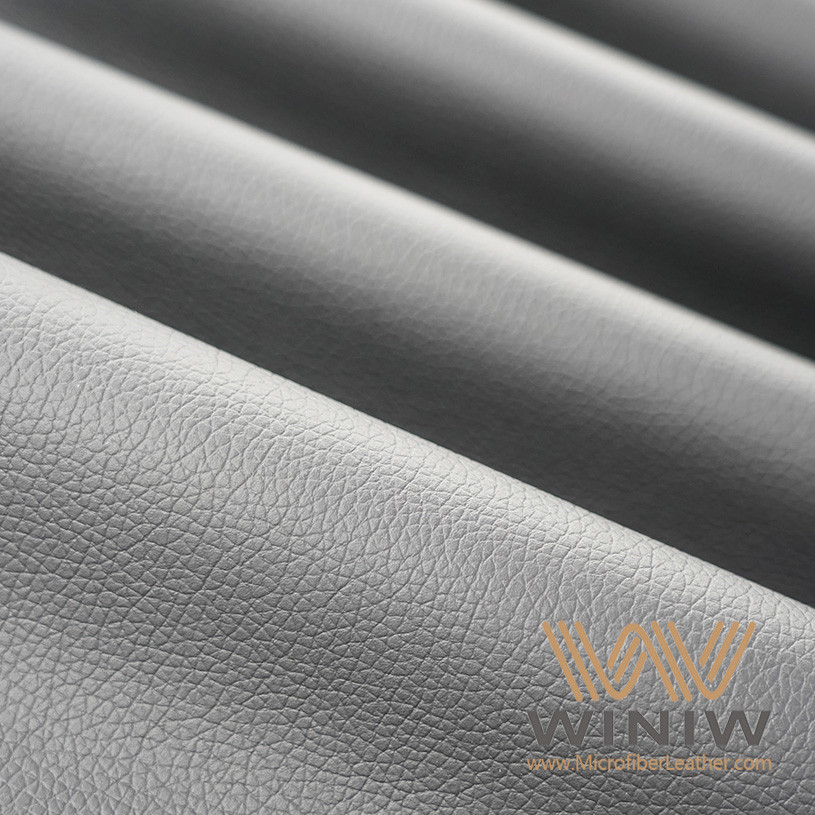
You see a clear difference between synthetic car leather and real leather. Synthetic car leather is a man-made, animal-free material that appeals to ethical values and practical needs. Automakers often choose it for its water resistance, yooj yim tu, and lower cost.
| Hom khoom | Kev Ua Lag Luam (%) |
|---|---|
| Synthetic tawv | 68 |
| Tawv tiag | 32 |
Dab tsi ua Synthetic Tsheb Tawv txawv ntawm tawv tawv
- Synthetic tsheb tawv is a cost-effective and animal-free alternative to real leather, making it a popular choice for ethical consumers.
- Faux leather offers easy maintenance and durability, resisting stains and fading better than real leather, uas yuav tsum tau saib xyuas tshwj xeeb.
- Choosing synthetic leather can reduce your environmental impact, as it uses less water and resources compared to traditional leather production.
Synthetic Car Leather vs Real Leather
Dab tsi yog Synthetic Car Leather
Koj ntsib hluavtaws tsheb tawv as a modern alternative to traditional animal hides. Cov khoom no, kuj hu ua hluavtaws tawv, is designed to mimic the look and feel of genuine leather without using animal cov khoom. Automakers use synthetic car leather to offer you a durable, raug nqi, and animal-free option for car interiors. You may see it marketed under many names, but its main purpose remains the same: to provide a stylish and practical surface for seats, dashboards, thiab trim.
Synthetic car leather stands out because it uses advanced chemical and textile technologies. Manufacturers create it by layering plastics and fibers to achieve the desired texture and durability. Koj tau txais txiaj ntsig los ntawm nws qhov tsis kam mus rau stains, dej, thiab fading, which makes it a popular choice in many vehicles today.
Synthetic Leather Materials and Types
You will find several types of faux leather in the automotive world. Each type has unique properties that suit different needs and preferences. The most common materials include polyurethane (PU), polyvinyl chloride (PVC), microfiber, silicone, and poromeric materials. These materials form the backbone of synthetic car leather production.
Here is a table that highlights the primary materials used in synthetic and real leather:
| Hom khoom | Synthetic tawv (PU / PVC) | Tawv tiag |
|---|---|---|
| Primary Materials | Polyurethane (PU), PVC | Animal Hides |
| Environmental Impact | Tsawg ruaj khov, can produce harmful byproducts | Biodegradable, but involves animal farming |
You can see that synthetic leather relies on plastics like PU and PVC, while real leather comes from animal hides. This difference affects not only the feel and performance but also the environmental impact of each material.
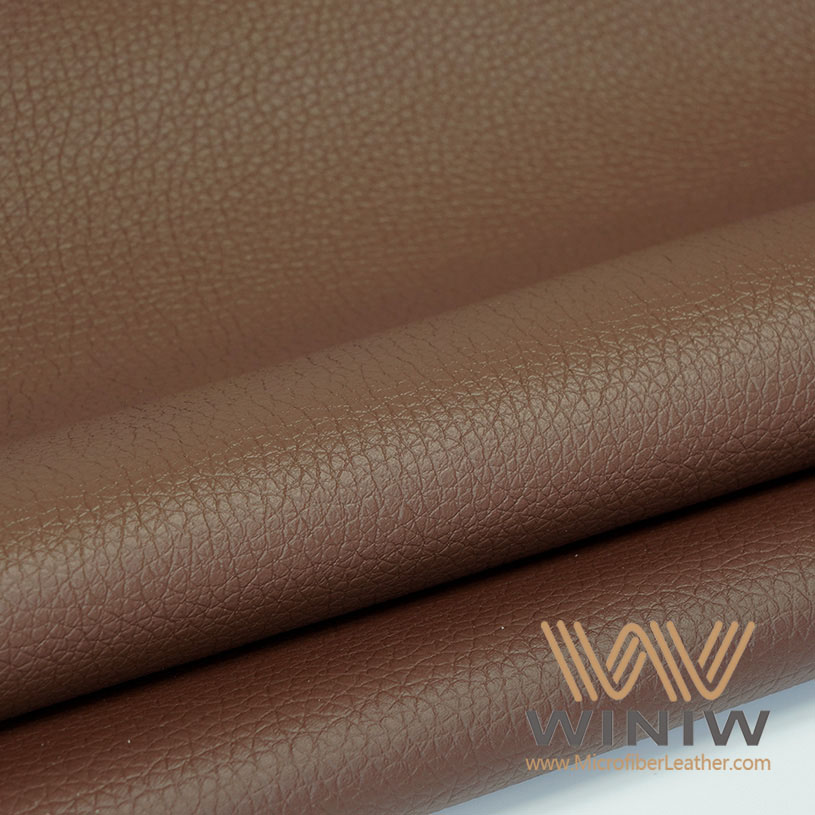
When you look at the types of faux leather, you will notice these main categories:
| Hom | Yam ntxwv |
|---|---|
| Tawv tawv | Nqis, yooj yim tuav, water and stain resistant |
| PU tawv | Durable, yooj yim ntxuav, raug nqi |
- Tawv tawv: You get a budget-friendly option that resists stains and water. Nws yog ib qho yooj yim los ntxuav thiab tu, making it ideal for families or high-use vehicles.
- PU tawv: Koj txaus siab rau qhov muag muag, flexible material that closely resembles real leather. It offers durability and simple cleaning, uas txaus siab rau ntau tus tswv tsheb.
- PVC tawv: You find this type to be tough and highly resistant to moisture. It works well in environments where spills or humidity are common.
- Microfiber tawv: You experience a lightweight, breathable material that feels soft to the touch. It often appears in premium vehicles for added comfort.
- Poromeric leather: You notice this type has a microporous structure, which allows some breathability while maintaining water resistance.
- Silicone tawv: You benefit from its eco-friendly profile and resistance to heat and UV rays. It is becoming more popular as sustainability gains importance.
Automakers often blend these materials to create custom finishes and textures. You may see combinations of PU and PVC leather for enhanced performance and style.
Yuav Ua Li Cas Synthetic Leather
You might wonder how manufacturers produce synthetic car leather. The process involves several precise steps to ensure quality and consistency. Here is a typical method for making PU leather for automotive use:
- Produce the base fabric to hold the coating.
- Apply the polyurethane coating for structure and durability.
- Add a color coat to achieve the desired shade.
- Add a textured finish, often by stamping, to mimic the grain of real leather.
For PVC leather, the process is similar, but manufacturers use polyvinyl chloride as the main coating. They may add plasticizers and stabilizers to improve flexibility and longevity. Microfiber and silicone leathers require advanced weaving and coating techniques to achieve their unique properties.
Quality control plays a big role in synthetic leather production. You can expect manufacturers to use abrasion resistance tests, flex resistance tests, and color fastness checks. These measures ensure that the final product meets automotive standards for durability and appearance.
Real Leather Manufacturing
You see a very different process when it comes to real leather. The journey starts with animal hides, usually from cows. Here are the main steps in real leather manufacturing for car interiors:
- Sourcing the best raw materials by selecting and preparing animal hides.
- Preparing the hides through cleaning, trimming, and curing.
- Executing the tanning process, which converts raw hides into leather using vegetable or chrome tanning.
- Carrying out post-tanning operations such as splitting, dyeing, and refining the texture.
- Finishing processes, including applying oils and conditioners to enhance durability and appearance.
Tanning stabilizes the protein structure of the hide, making it durable and resistant to chemicals. Finishing adds color and texture but may reduce breathability. You will find that high-end car interiors often use nappa leather, which comes from younger hides and undergoes special tanning for a soft, luxurious xav.
The environmental impact of real leather production is significant. It uses large amounts of water and chemicals, which can pollute water sources. The livestock industry also contributes to greenhouse gas emissions and land use. Qhov sib txawv, synthetic car leather uses less water but can release volatile organic compounds and microplastics during production.
Tswv yim: If you value animal welfare or want to reduce your environmental footprint, you may prefer synthetic car leather. If you seek luxury and long-term durability, real leather remains a strong choice.
By understanding the differences in materials and manufacturing, you can make an informed decision about which type of tsheb sab hauv suits your needs best.
Cov khoom, Nqi, and Environmental Impact
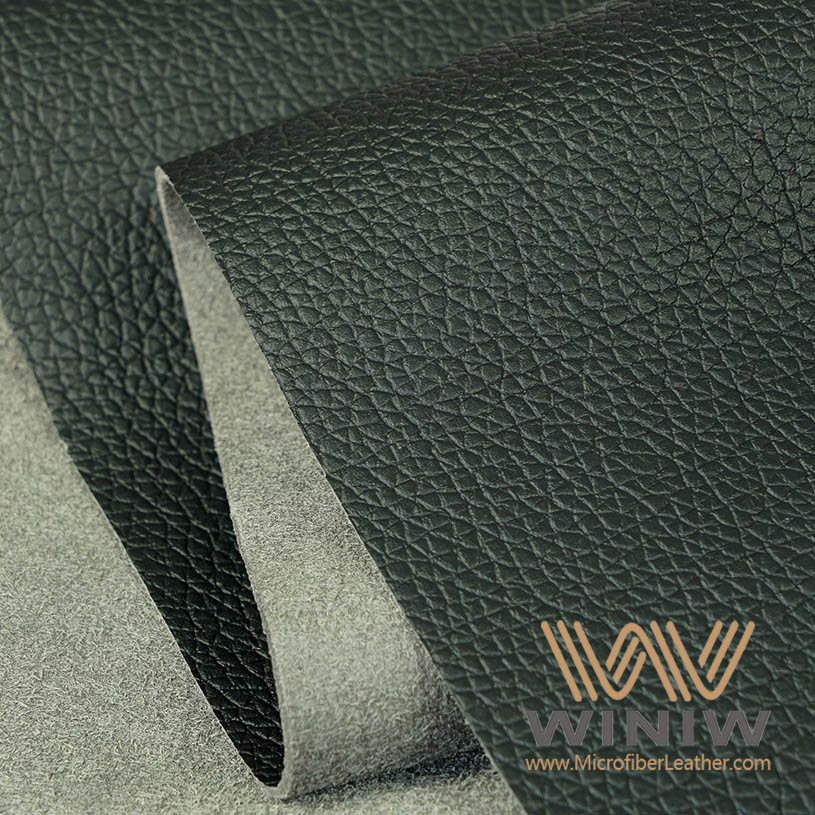
Appearance and Feel of Faux Leather Fabric
You notice the difference between real leather and faux leather fabric as soon as you touch or see them. Real leather has a natural grain and may show imperfections, while faux leather fabric offers a uniform surface. You often find faux leather fabric with a rubbery or shiny finish, which stands out in many auto interior designs. The smell also sets them apart. Real leather gives you a distinctive leathery scent, but faux leather fabric smells cold and plastic-like.
| Feature | Tawv tiag | Synthetic tawv |
|---|---|---|
| Kev ntxhib los mos | Ntuj lis, may have imperfections | Hnav khaub ncaws, rubbery or shiny surface |
| Tsis hnov tsw | Distinctive leathery smell | Txias, plastic smell |
You see automakers use faux leather fabric in automobile upholstery because it creates a consistent look. You can choose from many types, including pleather, silicone leather, thiab microfiber tawv. Microfiber leather feels soft and breathable, making it popular in premium vehicles. Silicone leather stands out for its eco-friendly qualities and resistance to heat and UV rays. You find faux leather fabric in dashboards, rooj, thiab trim, giving you a stylish and practical option.
Nco tseg: Faux leather fabric offers you more color choices and finishes than real leather. You can select from matte, glossy, or textured surfaces to match your preferences.
Durability thiab Maintenance
Koj xav kom koj lub tsheb sab hauv kom kav ntev, so you compare the durability of faux leather fabric and real leather. Synthetic leather advantages include resistance to stains, dej, thiab fading. You find that microfiber leather and silicone leather types hold up well under daily use. Microfiber leather resists scratches and keeps its shape, while silicone leather stays strong against heat and sunlight.
| Hom tawv | Nruab Nrab Lifespan |
|---|---|
| Synthetic tawv | 3 rau 5 xyoo |
| Tawv tiag | 10 rau 20 xyoo los yog ntau dua |
You see that real leather lasts longer, but faux leather fabric requires less maintenance. You clean faux leather fabric with water or mild soap, while real leather needs special conditioners to prevent damage. Microfiber leather types offer easy cleaning and resist spills. Silicone leather types do not crack or fade easily, making them ideal for auto interior applications.
| Hom tawv | Kev Kho Kom Zoo |
|---|---|
| Synthetic tawv | More resistant to spills and stains; does not require special conditioners. |
| Tawv tiag | Yuav tsum tau ua tib zoo ntxuav; needs regular application of conditioners to prevent damage. |
| Tawv tawv | Simple care routines; can be cleaned with water or mild soap. |
| Tawv tiag | Requires specific cleaning and conditioning products to maintain appearance and comfort. |
You may face some durability issues with faux leather fabric. Cracking can develop if you do not clean and condition regularly. Tough stains need specialized removers, and fading happens with prolonged sunlight exposure. You can prevent these problems by using sunshades and parking in the shade.
| Qhov teeb meem | Kev piav qhia |
|---|---|
| Kev tawg | Develops due to lack of moisture; can be prevented with regular cleaning and conditioning. |
| Stains | Cov stains tawv yuav tsum tau tshwj xeeb stain removers; ib txwm ua ib qho chaw kuaj thawj zaug. |
| Fading | Occurs from prolonged sunlight exposure; mitigated by using sunshades and parking in the shade. |
| Cov ntxhiab tsw | Can be addressed by thorough cleaning and using odor absorbers like baking soda. |
Tswv yim: Microfiber leather types and silicone leather types offer you the best balance of durability and easy maintenance for faux leather applications.
Tus nqi sib piv
You consider cost when choosing between faux leather fabric and real leather. Synthetic leather production uses less expensive materials, making it more affordable. You find that pleather and vegan leather types cost less than genuine leather. Microfiber leather types and silicone leather types also offer cost savings.
| Hom khoom | Price per Square Meter |
|---|---|
| Synthetic tawv | $2 - $10 |
| Ntuj tawv | $10 - $50+ |
You see that PU synthetic leather costs 30–60% less per meter than real leather. You benefit from synthetic leather advantages because you get premium-looking interiors at a lower price. Genuine leather can be twice as expensive as leatherette, which explains why many consumers choose faux leather fabric for their auto interior.
- Synthetic leather is generally more affordable than traditional leather, making it a cost-effective choice for consumers.
- The lower price of synthetic leather does not compromise its aesthetics or durability, allowing for premium-looking interiors at a lower cost.
- Genuine leather can be potentially twice as expensive as leatherette, which contributes to the latter’s popularity among consumers.
- PU synthetic leather typically costs 30–60% less per meter than real leather, txaus siab rau cov neeg siv nyiaj paub txog nyiaj txiag.
Nco tseg: You save money on both the initial purchase and long-term maintenance when you choose faux leather fabric for automobile upholstery.
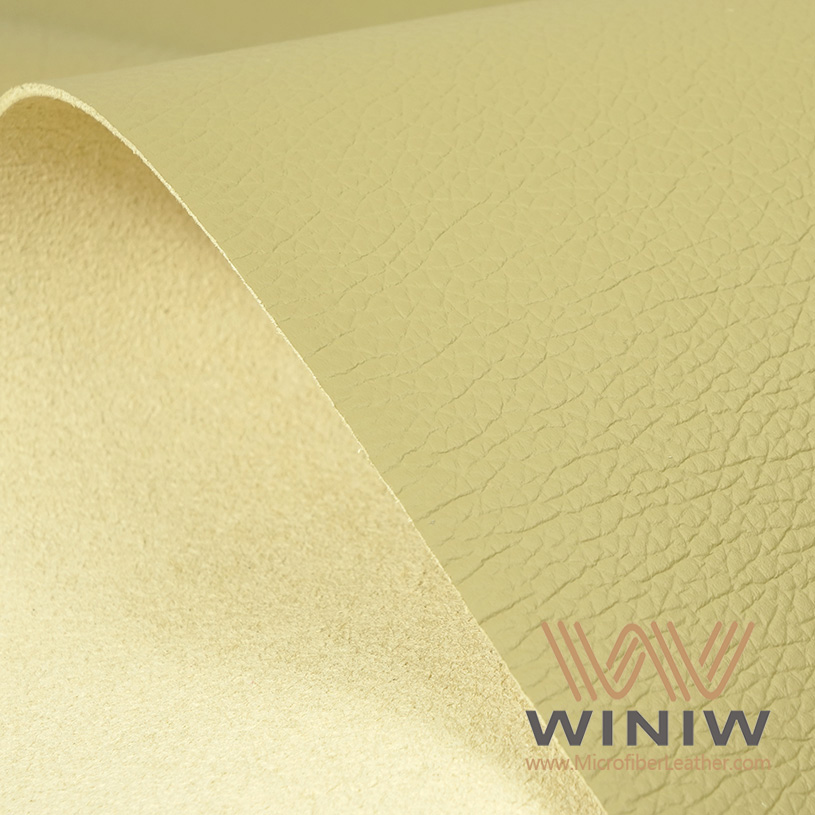
Environmental Impact of Synthetic Leather
You care about the environment, so you look at the impact of artificial leather production and synthetic leather production. Faux leather fabric relies on petroleum-based materials, which raises concerns about fossil fuel dependency. The production process releases volatile organic compounds like toluene and limonene, pab rau huab cua phem. Tshaj 85% of synthetic leather products contribute to microplastic pollution, threatening marine and terrestrial ecosystems.
- Production of synthetic car leather releases volatile organic compounds (VOCs) such as toluene and limonene, pab rau huab cua phem.
- The reliance on petroleum-based materials in synthetic leather production raises concerns about fossil fuel dependency.
- Tshaj 85% of synthetic leather products contribute to microplastic pollution, which poses a significant threat to marine and terrestrial ecosystems.
- The production process involves harmful chemicals that can degrade air and water quality.
- Chemicals used in synthetic leather production can persist in the environment and accumulate in landfills.
You compare the carbon footprint of faux leather fabric and real leather. Synthetic leather types have a lower carbon footprint than cow skin leather, but the difference is small compared to processed real leather.
| Khoom siv | Carbon Footprint (kg CO2 e/m²) |
|---|---|
| Nyuj tawv tawv | 110.0 |
| Tawv tiag (tom qab ua tiav) | 17.0 |
| Synthetic tawv | 15.8 |
You see that real leather production uses much more water. The tanning process for real leather uses around 240 liters of water per square meter. Synthetic leather production is more resource-efficient and uses less water.
- Real leather production consumes significantly more water than synthetic leather.
- The tanning process for real leather uses around 240 liters of water per square meter.
- Synthetic leather production is more resource-efficient and uses less water.
Automakers address disposal and recyclability by integrating recyclable materials into car interiors. You find seat padding made of ECONYL, a recycled polyamide, which can be recycled after use without loss of quality. Automakers use recyclable materials to reduce waste and lower environmental impact.
- The seat padding is made of ECONYL, a recycled polyamide that can be recycled after its use in automobiles without any loss of quality.
- Automakers are integrating recyclable materials into car interiors to reduce waste and lower environmental impact.
Tswv yim: You can choose silicone leather types and microfiber leather types for eco-friendly faux leather applications. These types offer you durability, yooj yim txij nkawm, thiab kev cuam tshuam ib puag ncig qis.
You see that faux leather fabric, vegan tawv, and pleather types give you many advantages for auto interior applications. Koj tau txais txiaj ntsig los ntawm kev ntxuav yooj yim, kev txuag nqi, and a wide range of styles. Microfiber leather types and silicone leather types stand out for their durability and environmental benefits. You make an informed choice by considering appearance, kev saib xyuas, nqi, thiab kev cuam tshuam ib puag ncig.
You see clear differences between faux leather and real leather for car interiors. Faux leather offers easy cleaning, lower cost, and more design choices. Real leather gives you luxury but needs more care. As demand grows, you find faux leather in more vehicles. Choose faux leather for value, durability, thiab sustainability.
| Feature | Faux tawv | Tawv tiag |
|---|---|---|
| Nqi | qis | Siab dua |
| Kev tu | Yooj yim | Complex |
| Environmental Impact | Qhov zoo | Higher resource use |
FAQ
What is the main advantage of synthetic car leather?
You get easy cleaning, lower cost, and more color choices. Synthetic leather resists stains and fading better than real leather.
Does synthetic leather feel like real leather?
Koj pom synthetic leather feels smooth thiab zoo ib yam. Real leather feels softer and has a unique grain. Some high-quality synthetics closely mimic real leather.
How do you clean synthetic car leather?
- Use a damp cloth with mild soap.
- Wipe spills quickly.
- Tsis txhob siv tshuaj hnyav ua kom lub ntsej muag saib tshiab.