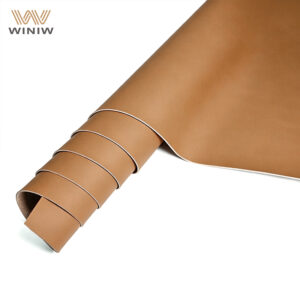
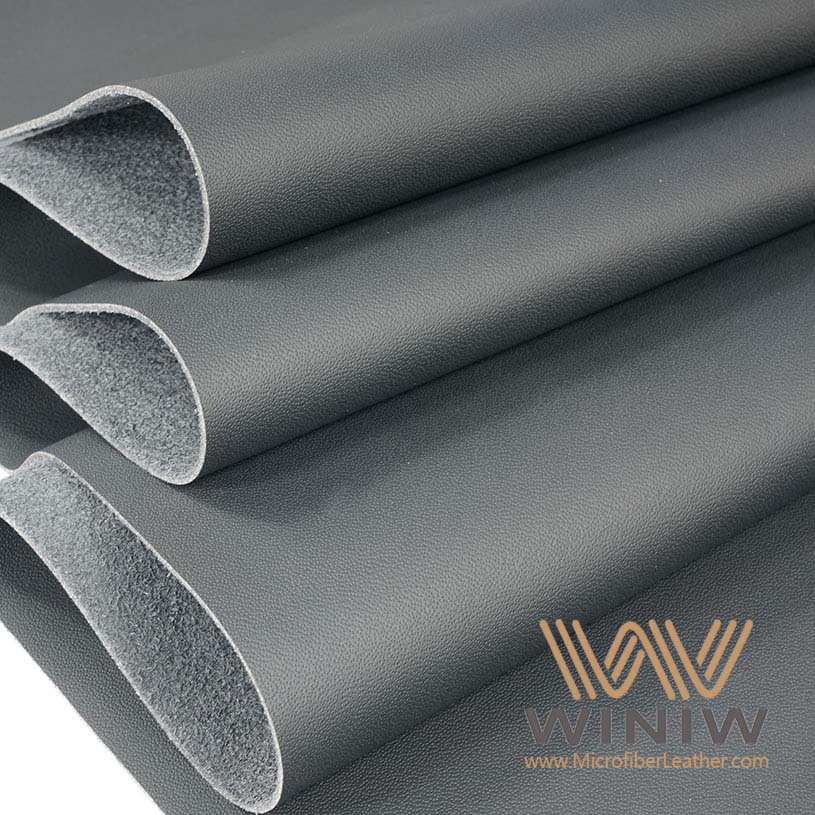
When you select suede lining fabric, you focus on four essential criteria: quality, durability, ethical sourcing, and project fit. You find options like pigskin suede for purses, lambskin suede for jackets, and high-density waterproof fabrics for specialized uses. You see genuine suede from animal sources, synthetic alternatives such as Ultrasuede and Alcantara, and treated cotton and silk. With a clear process, you confidently choose the right material for your project.
How to Identify the Perfect Suede Lining Fabric for Any Project
- Focus on quality, durability, ethical sourcing, and project fit when selecting suede lining fabric.
- Test a small piece of suede before starting a project to evaluate its texture and durability.
- Choose the right type of suede based on your project needs: real suede for luxury, faux suede for easy care, and microfiber for budget-friendly options.
- Assess the fabric’s flexibility and thickness to ensure comfort and longevity in your finished product.
- Prioritize ethical sourcing and environmental considerations to enhance the value of your project.
What Is Suede Lining Fabric?
Unique Qualities
When you choose suede lining fabric, you experience a material that stands apart from other linings. The texture feels soft and luxurious, offering comfort and elegance in every project. The napped surface creates a fuzzy finish, which gives suede its signature smooth nap. You notice the matte finish, which adds a subtle sophistication to any design. Suede lining fabric allows air to circulate, enhancing breathability and comfort for garments and accessories. The flexibility of this material makes it easy for you to shape and fit into complex patterns. However, you must pay attention to its sensitivity to water and stains, which means special care is necessary to maintain its appearance.
| Characteristic | Description |
|---|---|
| Soft and luxurious texture | Suede is renowned for its soft and luxurious feel. |
| Napped surface | It features a fuzzy finish and smooth nap. |
| Matte finish | Suede has a unique matte appearance. |
| Breathability | It allows air circulation, enhancing comfort. |
| Flexibility | Suede is incredibly flexible, making it easy to work with. |
| Sensitivity to water and stains | Requires special care due to its susceptibility. |
Tip: Always test a small piece of suede lining fabric before committing to a large project. This helps you evaluate its texture and durability.
Common Applications
You find suede lining fabric in many segments of the fashion and design industries. Apparel leads with a 40% market share, followed by footwear at 25%, and cases and bags at 15%. Designers rely on suede for jackets, boots, bags, and belts because of its softness and flexibility. High-end sportswear often features specialized suede for performance and comfort. In home décor, you see suede lining fabric adding luxury to sofas, chairs, and cushions. Automotive interiors, tool pouches, instrument cases, and laptop covers also benefit from the durability and style of suede.
| Segment | Market Share (%) |
|---|---|
| Apparel | 40 |
| Footwear | 25 |
| Case & Bag | 15 |
- Jackets, boots, bags, and belts in fashion
- Performance sportswear
- Sofas, chairs, and cushions in home décor
- Car interiors and instrument cases
- Tool pouches and laptop covers
Suede lining fabric adapts to a wide range of uses, making it a versatile choice for your creative projects.
Types of Suede Lining Fabric
Real Suede: Pros & Cons
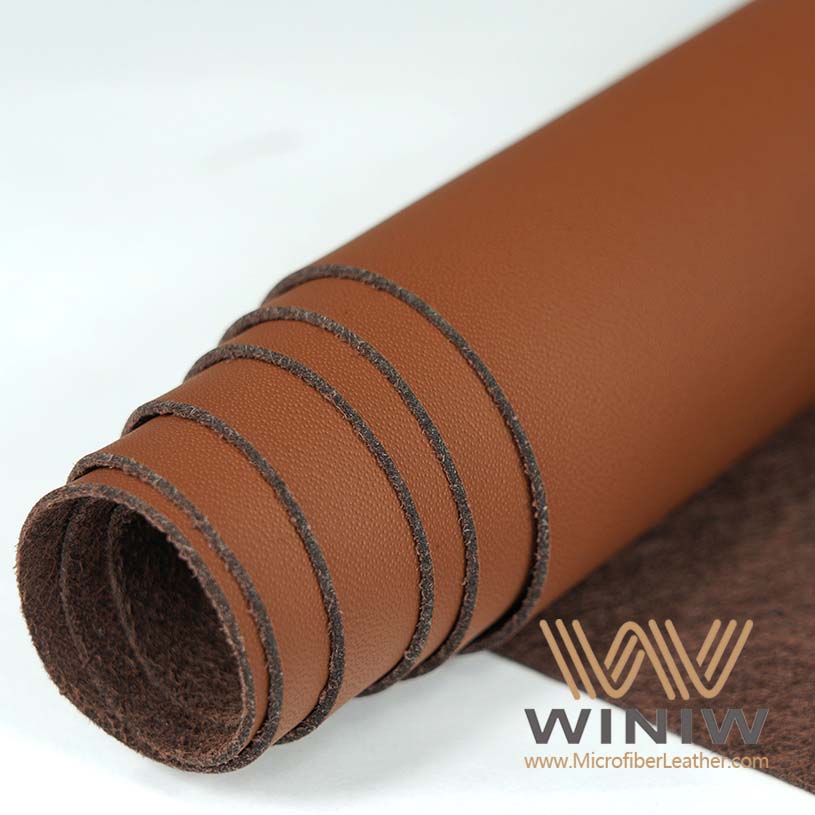
When you choose real suede, you select a material crafted from animal hides. You often find three main types available:
- Cowhide suede: Delivers durability, making it ideal for furniture and accessories.
- Lamb suede: Offers exceptional softness and lightweight feel, perfect for high-end fashion garments.
- Pig suede: Features a rougher texture and greater thickness, commonly used for lining shoes and workwear.
Real suede brings a luxurious touch to your project. You notice its natural grain and rich texture. However, you must consider its higher price and need for special care. Real suede tends to be less durable than synthetic options, especially in environments exposed to moisture or heavy use.
Note: Real suede requires regular maintenance to preserve its appearance and texture.
Faux Suede: Pros & Cons
Faux suede gives you a practical alternative to animal-based materials. Manufacturers create it using synthetic fibers, which mimic the look and feel of genuine suede. You benefit from its affordability and increased durability. Faux suede resists stains and water better than real suede, making it easier to maintain.
You may notice that faux suede lacks the depth and natural grain of authentic suede. Some projects, especially luxury items, may not achieve the same premium finish. Still, faux suede works well for everyday accessories, apparel, and home décor.
| Type of Suede | Cost Comparison | Durability | Care |
|---|---|---|---|
| Real Suede | More expensive due to natural sourcing | Less durable than faux | Requires special care |
| Faux Suede | More affordable | More durable | Easier to maintain |
| Microfiber Suede | Generally budget-friendly | Comparable to faux | Easy to clean |
Microfiber Suede: Pros & Cons
Microfiber suede stands out as a budget-friendly choice. You get a material made from ultra-fine synthetic fibers, which closely resemble the texture of real suede. Microfiber suede offers impressive durability and easy cleaning. You find it especially useful for projects that require frequent washing or exposure to moisture.
You may notice that microfiber suede does not have the same luxurious feel as natural suede. However, it provides a consistent appearance and reliable performance. Many consumers prefer microfiber suede for its cost-effectiveness and versatility in a wide range of applications.
Tip: If you want a balance between affordability and style, microfiber suede is a smart option for many projects.
You can confidently select the right suede lining fabric by understanding the strengths and limitations of each type.
Assessing Quality & Durability
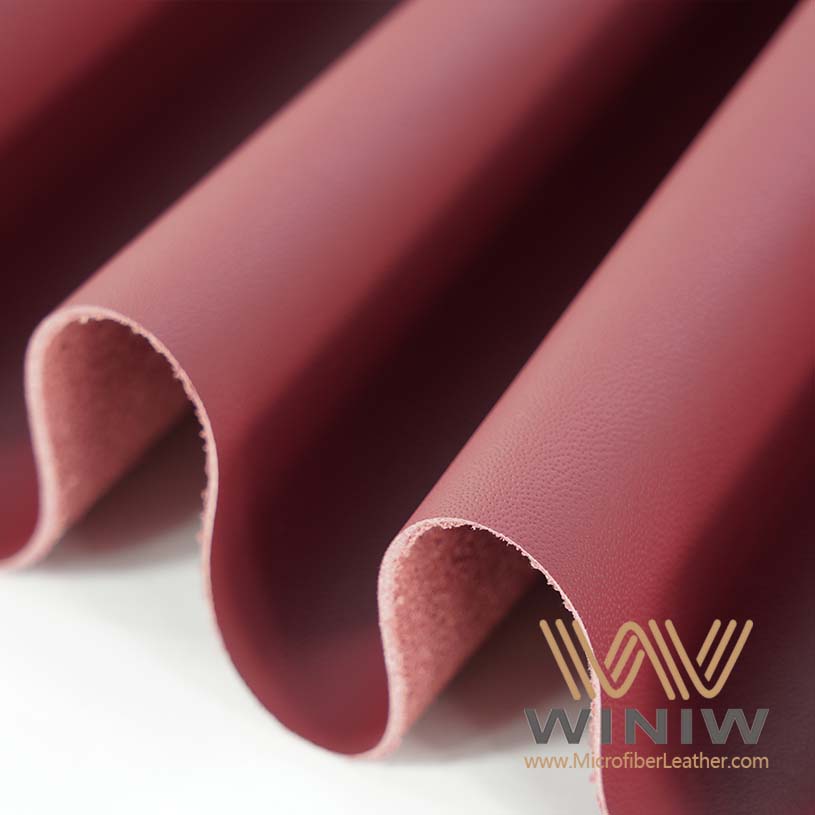
Selecting the right suede lining fabric for your project means you must evaluate its quality and durability. These factors determine how well your finished product will perform and how long it will last. You want a lining that feels luxurious, stands up to daily use, and aligns with your ethical standards.
Texture & Grain
You start by examining the texture and grain. High-quality suede lining fabric features a smooth, consistent nap with a soft, velvety feel. You should not see bald spots or discoloration. Fine, even grain signals careful craftsmanship and superior material. The raised fibers must look uniform and consistent. When you touch the surface, you notice a fuzzy finish that feels delicate and luxurious. This texture makes suede ideal for jackets, shoes, and accessories.
- Look for a smooth, even texture without rough patches.
- Check for a fine, consistent grain across the entire piece.
- Observe the nap; it should be uniform and not matted down.
- Dense weave adds structural integrity and longevity.
Tip: Hold the fabric up to the light and inspect for any unevenness or thin areas. Consistency in texture and grain means better performance and appearance.
Flexibility & Thickness
You assess flexibility and thickness to ensure comfort and durability. Superior suede bends easily without cracking, which is essential for garments and accessories that move with you. Thin suede offers flexibility, making it comfortable for clothing, but it requires careful maintenance. Substantial thickness indicates durability, especially for items like bags or upholstery.
- Suede lining fabric should fold smoothly without stiffness.
- The material must feel supple and resilient when you handle it.
- Observe how the fabric hangs or drapes; quality suede maintains its shape.
- Thicker suede works best for high-wear applications, while thinner options suit delicate projects.
| Test Name | Purpose |
|---|---|
| MARTINDALE & WYZENBEEK WEAR RESISTANCE | Measures how well a material withstands wear without breaking down. |
| PILLING & BRUSH PILLING | Assesses the tendency of fabric to form pills or fuzz balls, indicating durability. |
| COLOUR FASTNESS TO LIGHT | Evaluates how well the fabric maintains its color when exposed to light over time. |
| WASHABILITY | Tests how well the fabric holds up after washing, including shrinkage and color fading. |
Note: You can perform simple tests before purchasing. Fold the fabric and check for cracks. Rub the surface gently to see if fibers shed or pill.
Care & Maintenance
You must consider how easy it is to care for your chosen suede lining fabric. Real suede feels luxurious but demands special attention. It is sensitive to moisture and dirt, so you need to avoid water and harsh chemicals. Spot treating requires caution; never rub stains, as this can embed them further. Faux suede resists spills and stains, making maintenance simple. You can wipe light stains with a damp cloth, and some versions are machine-washable. Microfiber suede offers easy cleaning and holds up well to frequent washing.
- Real suede requires dedicated cleaning products and gentle spot treatment.
- Faux suede can be spot-cleaned or machine-washed, making it ideal for everyday use.
- Microfiber suede is easy to clean and resists damage from water and sunlight.
| Lifespan (Average Daily Use) | Suede Lining Fabric | Fabric Alternatives |
|---|---|---|
| Average Lifespan | 1–3 years | 3–7+ years |
Tip: Always test a small piece of fabric for washability and color fastness before using it in your project.
Ethical Sourcing & Environmental Considerations
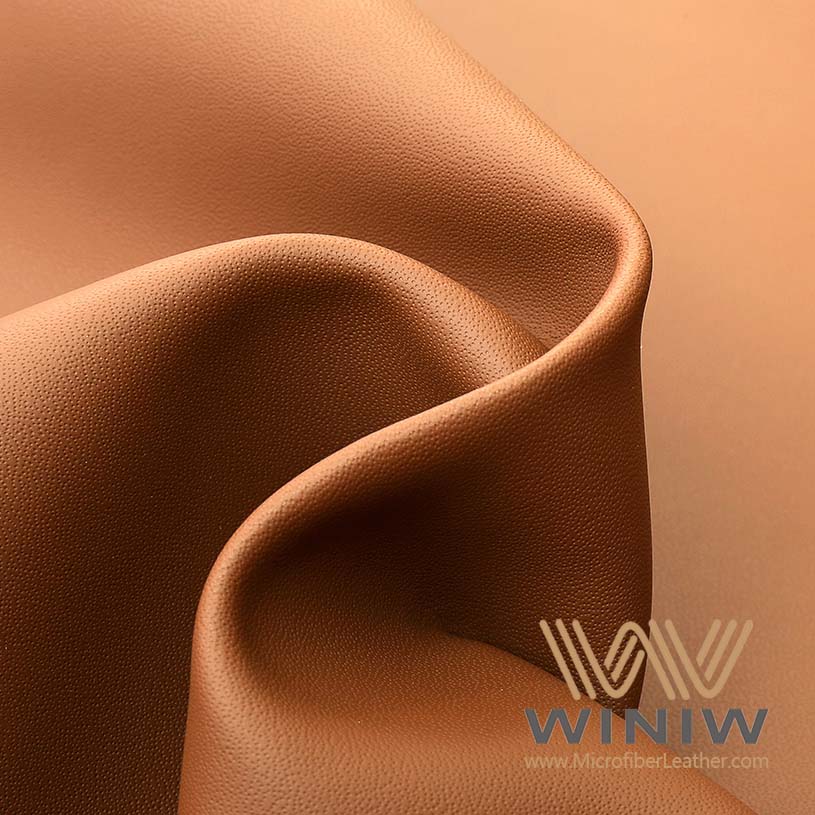
You want to choose suede lining fabric that aligns with your values. Genuine suede can be sustainable if sourced as a by-product of the meat and dairy industry. However, tanning processes in some regions may cause water contamination with heavy metals and toxic chemicals. Faux suede relies on non-renewable fossil fuels and can contribute to microplastic pollution. It also takes a long time to degrade in landfills.
| Type of Suede | Environmental Impact |
|---|---|
| Genuine Suede | More sustainable if sourced as a by-product of the meat and dairy industry; however, tanning in less developed nations can lead to water contamination with heavy metals and toxic chemicals. |
| Faux Suede | Significant drawbacks include reliance on non-renewable fossil fuels, microplastic pollution, and a long degradation time in landfills. |
You can look for certifications such as those from the Leather Working Group to ensure ethical sourcing. Responsible suppliers provide transparency about their production methods and environmental impact.
Note: Ethical sourcing and environmental responsibility add value to your finished product and support sustainable practices in the industry.
Testing Before Full Use
You should always test suede lining fabric before committing to a large project. Simple checks help you avoid costly mistakes and ensure the material meets your standards.
- Examine for smoothness and evenness of texture.
- Check for a dense weave and structural integrity.
- Observe how the fabric folds and hangs.
- Assess for minimal chemical odor and rich, consistent coloring.
Tip: Trusted sources like The Fabric Outlet and Fifield Fabrics offer high-quality options and provide samples for testing.
By carefully assessing quality, durability, care requirements, and ethical sourcing, you ensure your project stands the test of time and reflects your standards.
Matching Suede Lining Fabric to Projects
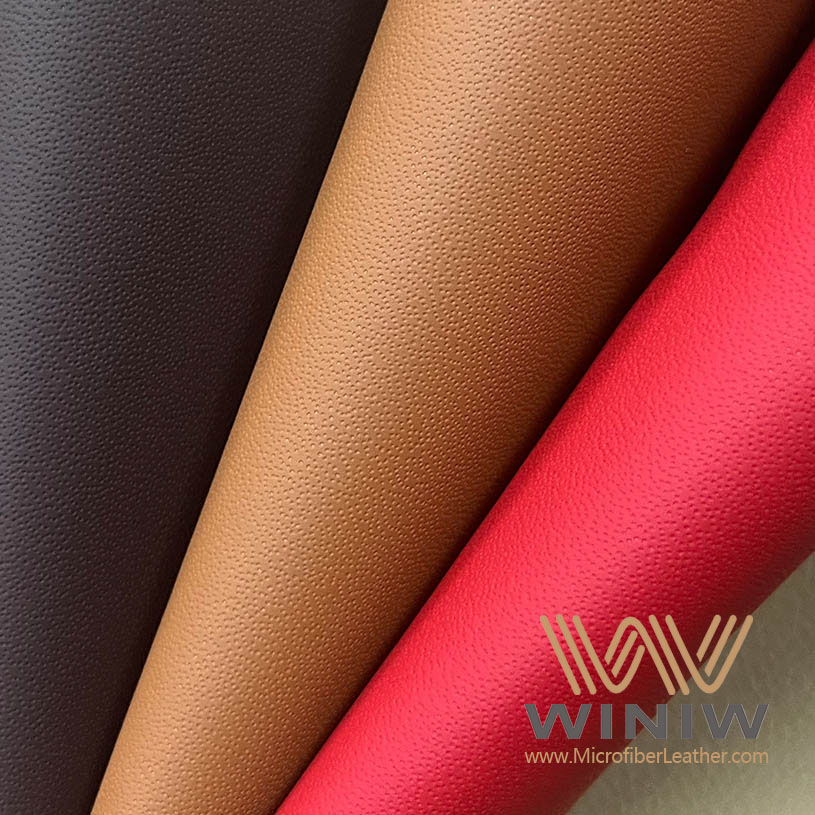
Selecting the right suede lining fabric for your project requires you to balance durability, aesthetics, cost, and the intended purpose. Each project type demands a unique approach. You must consider how the fabric will perform, how it will look, and how it will feel in daily use. The following table summarizes the most important factors to weigh when matching suede lining fabric to specific projects:
| Factor | Description |
|---|---|
| Durability | Choose robust fabrics for heavy use, such as Cordura nylon, or lighter options like cotton for less demanding needs. |
| Aesthetics | Select color, pattern, and texture to complement the exterior and enhance user experience. |
| Cost | Balance economical choices with premium options based on your budget. |
| Project Purpose | Match the lining to the specific needs of the item, such as durability for totes or luxury for clutches. |
Bags & Accessories
When you design bags and accessories, you want a lining that elevates both function and style. Suede lining fabric brings a soft, velvety texture that enhances the luxury feel of handbags, wallets, and clutches. You often see natural suede in high-end products, but it requires careful maintenance and is more delicate. Synthetic options like microfiber suede offer a practical balance, providing durability and a lightweight feel.
- Suede lining fabric creates a premium look and feel for luxury handbags.
- Microfiber suede resists wear and stains, making it ideal for everyday bags and wallets.
- Faux suede offers a cost-effective, easy-care alternative for accessories that see frequent use.
Tip: Always consider the intended use. For totes or backpacks that face heavy wear, choose a durable synthetic or microfiber suede. For clutches or evening bags, real suede adds a touch of elegance.
You should avoid using suede lining fabric in items that will come into contact with abrasive or dirty objects, as suede can trap grit and cause scratches. For holsters or cases for delicate items, alternatives like thin leather or pigskin may be safer.
Garments & Apparel
In garments and apparel, the right lining transforms comfort and style. You find suede lining fabric in jackets, gloves, hats, and boots. Designers often select classic neutral tones like beige and taupe for versatility, but bold colors such as deep blue, emerald green, and burgundy are also popular. Textured finishes, including embossed or patterned suede, add visual interest and a unique touch to clothing.
- Real suede provides warmth and a luxurious feel, perfect for high-end jackets and gloves.
- Faux suede offers easy care and a wide range of colors, making it suitable for fashion-forward designs.
- Microfiber suede delivers lightweight comfort and is ideal for garments that require frequent washing.
Note: Prioritize flexibility and softness for apparel. High-quality suede lining fabric should bend easily and feel smooth against the skin.
You should match the color and texture of the lining to the outer fabric for a cohesive look. For garments that need insulation, suede lining fabric adds both warmth and style.
Upholstery & Home Decor
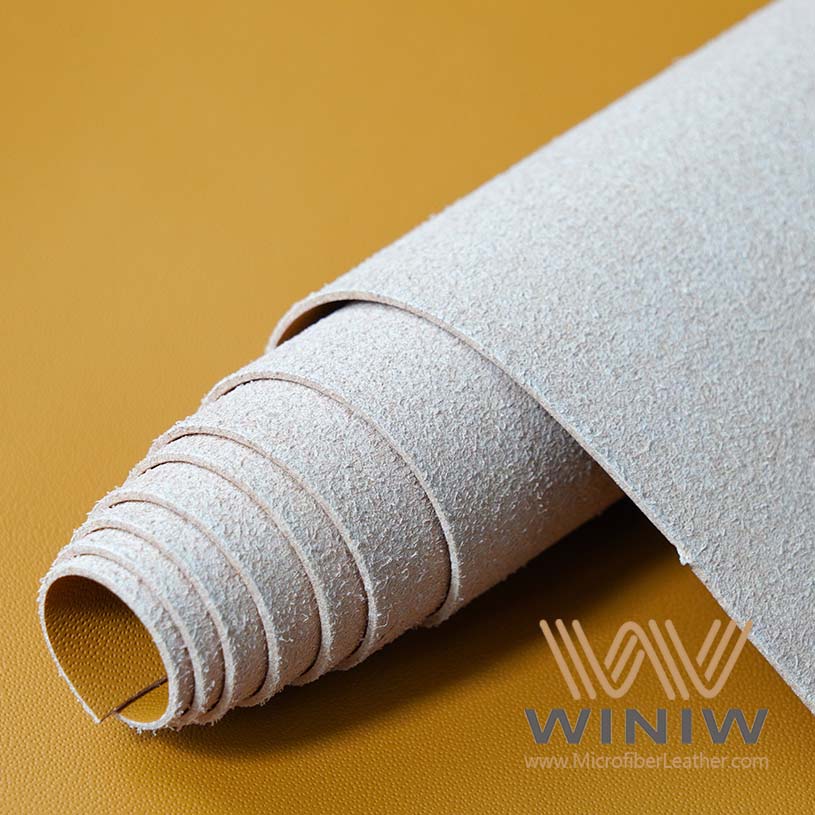
For upholstery and home decor, you need a lining that withstands daily use and maintains its appearance. Suede lining fabric brings sophistication to sofas, chairs, cushions, and bedding. You can choose from several types, each suited to different applications:
| Type of Suede Fabric | Applications |
|---|---|
| Lightweight Suede Cloth | Upholstery, slipcovers, bedding projects |
| Heavyweight Suede Cloth | Upholstery, slipcovers, duvet covers, comforters |
| Micro-suede | Interior decorating, upholstery |
| Embroidered Suede | Home decorating needs |
Faux suede and microsuede stand out for their durability and stain resistance. These materials are made from polyester fibers and come in a wide range of colors. They offer a similar look and feel to real suede but require less maintenance.
- Faux suede resists stains and fading, making it ideal for family rooms and high-traffic areas.
- Microsuede provides a soft touch and is easy to clean, perfect for homes with children or pets.
- Embroidered suede adds decorative flair to pillows and accent pieces.
Tip: Test the fabric for color fastness and washability before using it in large upholstery projects. This ensures your finished piece will look great and last longer.
Common Mistakes to Avoid
You can avoid common pitfalls by considering the specific needs of your project. Using suede lining fabric in holsters or cases for glass items can lead to scratches, as suede traps dirt and grit. For these applications, thin leather or pigskin may be a better choice.
Prioritizing Criteria for High-End Projects
When you work on high-end products, you should prioritize texture, flexibility, durability, and environmental sustainability. High-quality suede lining fabric features a smooth, consistent nap and a soft, velvety feel. It bends easily without cracking and withstands regular use. Ethical sourcing and sustainable practices add value to your finished product.
Remember: The right suede lining fabric transforms your project, combining beauty, comfort, and performance.
You can identify the perfect suede lining fabric by following expert-recommended steps:
- Check for a smooth, soft texture with no bald spots.
- Test flexibility by bending the fabric to ensure it does not crack.
- Select a durable option that stands up to regular use.
- Look for even, vibrant color that resists fading.
Quality and durability guarantee a long-lasting result. Ethical sourcing supports sustainability. Project fit ensures your final product meets both functional and aesthetic needs. Use these criteria to make confident, informed choices every time.

FAQ
What is the best way to test suede lining fabric before starting a project?
You should request a sample from your supplier. Rub and fold the fabric to check for shedding, cracking, or color transfer. Inspect the nap for consistency. This quick test helps you avoid surprises later.
Can you machine wash suede lining fabric?
Most real suede cannot go in the washing machine. Faux suede and microfiber suede often allow gentle machine washing. Always check the care label or ask your supplier for specific instructions.
How do you prevent suede lining from staining?
Apply a suede protector spray before use. Wipe spills immediately with a clean, dry cloth. Avoid exposing suede to water or oily substances. Regular brushing helps maintain the nap and remove surface dirt.
Is faux suede more eco-friendly than real suede?
Faux suede uses synthetic fibers, which can contribute to microplastic pollution. Real suede, when ethically sourced, may have a lower environmental impact. Always check for certifications and supplier transparency.