Image Source: pexels
You face the choice between vinyl and leather for your car interior. Vinyl suits vehicles where easy maintenance and budget matter most. Leather fits vehicles that need luxury and longevity. Auto interiors now feature more vinyl, as automakers respond to demand for durability and eco-friendly options. Synthetic materials like vinyl appeal to buyers who prioritize sustainability. Genuine leather attracts those who value comfort and status. Consider your needs—comfort, durability, maintenance, cost, appearance, and lifestyle—before deciding. Automotive Vinyl Leather options offer unique benefits in the vinyl vs leather debate.
Is Automotive Vinyl or Leather the Right Choice for Your Vehicle
- Vinyl seats are budget-friendly and easy to clean, making them ideal for families and those who prioritize low maintenance.
- Leather seats offer luxury and comfort, adapting to your body and enhancing the car’s resale value, but require regular care to maintain their appearance.
- Consider your lifestyle and climate when choosing between vinyl and leather; vinyl is durable and stain-resistant, while leather provides a premium feel and better temperature regulation.
Comfort

Seat Feel
When you sit in your car, the comfort of the seats makes a big difference. Vinyl and leather offer unique experiences. Leather provides a natural, breathable feel that adapts to your body. Vinyl feels firmer and stays consistent over time. You may notice that leather stretches more, which can lead to cracks after years of use. Vinyl stretches less, so it shows wear differently. Many drivers prefer leather for its luxurious comfort, but vinyl delivers reliable support and easy maintenance. The following table highlights the main differences in seat feel:
| Feature | Leather | Vinyl |
|---|---|---|
| Comfort | Natural, breathable, adapts to body | Consistent, slightly firmer |
| Temperature | Regulates temperature well | Warmer in sun, cooler in winter |
| Stretch | More stretchy, can lead to cracks over time | Less stretchy, may show wear differently |
| Durability | Durable, lasts many years | Less durable, easier to maintain |
You should consider how much time you spend in your car and what kind of comfort matters most to you. Leather seats offer a premium feel, while vinyl seats are practical and budget-friendly.
Temperature Adjustment
Comfort also depends on how seats handle temperature. Leather seats regulate temperature better than vinyl. You will notice that leather stays cooler in summer and warmer in winter. Vinyl seats can get hot when your car sits in the sun and feel cold during winter mornings. If you live in a region with extreme temperatures, leather may provide more consistent comfort. Vinyl seats require less care but may not offer the same temperature adjustment. Both materials can cause stickiness if you sweat, but leather tends to handle moisture less effectively. Your choice affects how comfortable you feel in different climates.
Durability
Wear Over Time
You want your car seats to last as long as possible. Durability plays a big role in how vinyl and leather age. Leather seats develop a patina as they get older. This patina gives your car a classic look. Leather handles tearing well and blends scratches into its aged appearance. Vinyl seats maintain a consistent look until the top layer wears down. Premium vinyls offer UV stability, so they resist fading better. You may notice that vinyl resists daily abrasion, but it can crack over time. The quality of vinyl affects how long it lasts. If you care for leather, it can last decades. Vinyl seats usually last several years, especially in newer cars with improved materials.
Tip: Regular cleaning and conditioning help both materials stay strong. You should avoid harsh chemicals to protect the surface.
Resistance to Damage
Both vinyl and leather offer good durability, but they respond differently to damage. Leather resists scuffs and tears, but it can show scratches. These scratches often blend into the patina, making them less noticeable. Vinyl resists daily abrasion better and stands up to kids and pets. However, vinyl may crack if exposed to extreme heat or cold. The table below compares how each material handles cracking, fading, and tearing:
| Feature | Leather | Vinyl |
|---|---|---|
| Cracking | Handles tearing well, develops patina | Resists scuffs, may crack over time |
| Fading | Ages into a patina | Maintains consistent look until worn |
| Tearing | Can show scratches, blends into look | Resists abrasion, can wear down |
| Longevity | Can last decades with care | Quality varies, premium lasts longer |
You should consider your lifestyle and how you use your car. If you want seats that handle daily wear and tear, vinyl offers reliable durability. Leather gives your car a luxurious look and ages gracefully with proper care.
Maintenance
Cleaning Ease
You want your car upholstery to look fresh with minimal effort. Vinyl stands out for easy cleaning. You can wipe most spills from vinyl with a damp cloth and mild soap. This makes vinyl a favorite for families who need quick solutions for messes. Leather requires more attention. You must use a pH-balanced cleaner and avoid harsh chemicals to protect the fibers. If you have car upholstery made of leather, you need to blot spills quickly to prevent stains. Vinyl resists most stains, so you spend less time worrying about permanent marks on your car seats.
Here’s a quick look at annual maintenance costs for different upholstery:
| Seat Material | Annual Maintenance Cost |
|---|---|
| Vinyl | $10 – $30 |
| Leather | $30 – $70 |
| Fabric | $30 – $65 |
Vinyl keeps your car upholstery looking good with less money and effort.
Care Requirements
You need to follow specific routines to keep your car upholstery in top shape. Leather needs regular conditioning every three to six months. This step restores moisture and prevents cracking. You should dust and vacuum seams often. Keep leather away from direct sunlight and heat to avoid fading. Vinyl does not need conditioning because it has no natural oils. You can use stronger cleaners on vinyl, but always check the manufacturer’s list for approved products. For both vinyl and leather, wipe up spills fast and avoid abrasive tools.
Here’s a summary of care routines for each upholstery type:
| Material | Care Routine |
|---|---|
| Leather | Condition every 3-6 months, clean with pH-balanced products, avoid sun and heat, blot spills quickly |
| Vinyl | Clean with mild soap and water, use soft brush for texture, rinse and dry, spot-test tough stains |
Choosing the right car upholstery depends on how much time you want to spend on maintenance and cleaning. Vinyl offers a simple routine, while leather rewards extra care with lasting beauty.
Cost
Price Difference
You notice a clear difference in cost when you compare vinyl and leather seat options for your car. Vinyl seats usually cost less than leather seats. Many new vehicles offer vinyl seats that are up to 25% less expensive than leather. This price gap makes vinyl a popular choice if you want to save money on your car interior. You can see the main differences in the table below:
| Seat Material | Average Cost (New Car) |
|---|---|
| Vinyl | Lower |
| Leather | Higher |
- Vinyl seats help you reduce upfront cost.
- Leather seats increase the initial investment in your car.
If you want to keep your car expenses low, vinyl gives you a practical solution. Leather appeals to those who value luxury and are willing to pay more.
Value Over Time
You should think about how your choice affects the value of your car over time. Leather seats help vehicles retain 5-10% more value over three years compared to vinyl seats. Well-maintained leather seats look upscale and attract buyers who want quality. Vinyl seats may not add as much perceived value, but excellent condition still boosts resale. Leather remains the dominant choice in luxury vehicles, enhancing resale value in high-end segments. Vinyl gains popularity in cars for budget-conscious buyers, but leather seats often lead to higher resale prices.
The automotive market now shifts toward customization and sustainability. These trends influence cost and value over time for both vinyl and leather seats. If you plan to sell your car, leather seats can increase resale value, especially in luxury models. Vinyl seats offer savings at purchase and can maintain value if you keep them in great shape.
Tip: Regular care for both vinyl and leather seats helps protect your car’s value and ensures you get the most from your investment.
Appearance
Visual Appeal
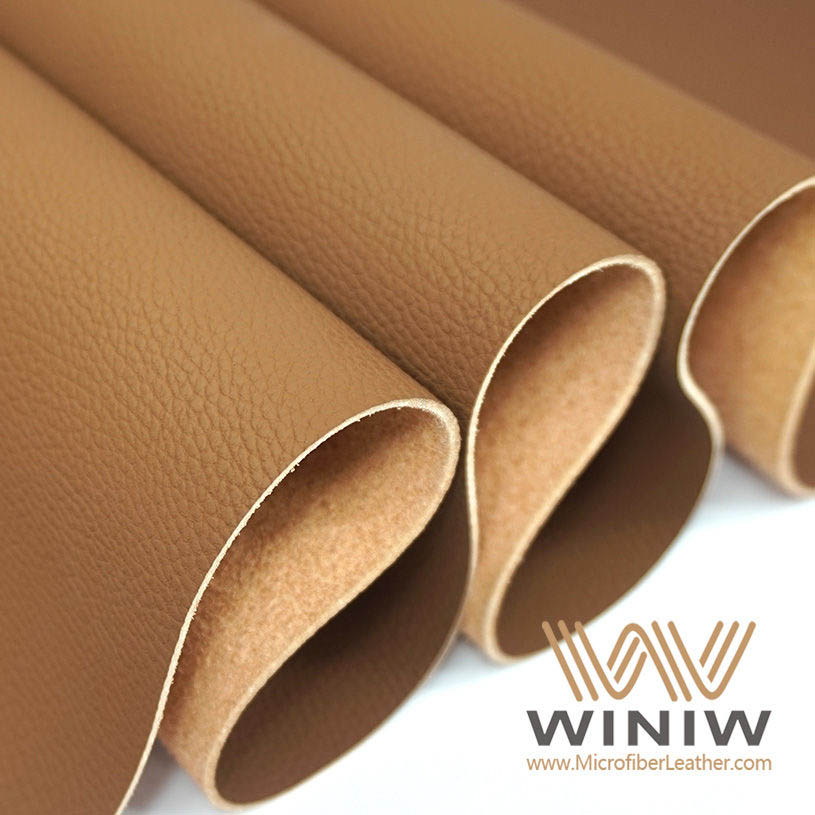
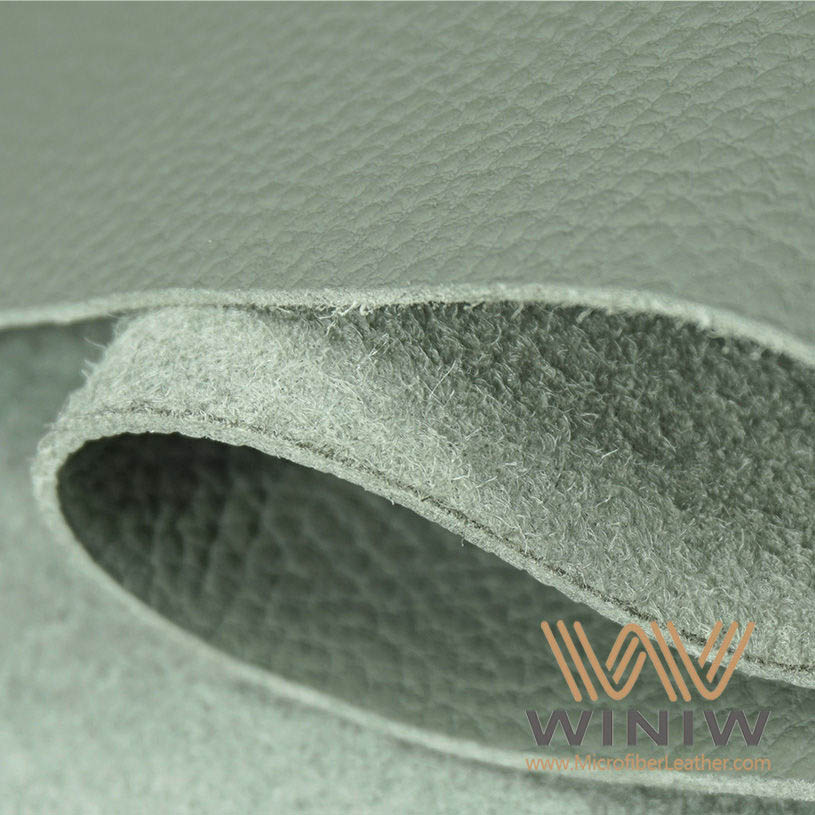
You notice the difference in visual appeal when you step inside a car. Leather seats create a sense of luxury and status. Many drivers see leather as a symbol of quality. The texture and sheen of leather add elegance to the interior. Vinyl seats offer a clean and modern look, but they do not match the prestige of leather. You may find that vinyl mimics leather in some models, yet the feeling remains distinct.
“Leather interiors contribute significantly to perceived vehicle quality. In consumer surveys, drivers consistently rate leather-trimmed cabins as more luxurious—even if they’ve never owned one.” — Dr. Alan Zhou, Automotive Consumer Behavior Analyst, Detroit Institute of Mobility Research
- Leather is often seen as a status symbol and is associated with higher trim levels.
- The rich texture and subtle sheen of leather enhance the visual appeal of car interiors.
- In contrast, cloth seats are perceived as standard and less luxurious.
You should consider how much visual impact matters to you. If you want your car to impress, leather seats deliver a classic and upscale look.
Customization
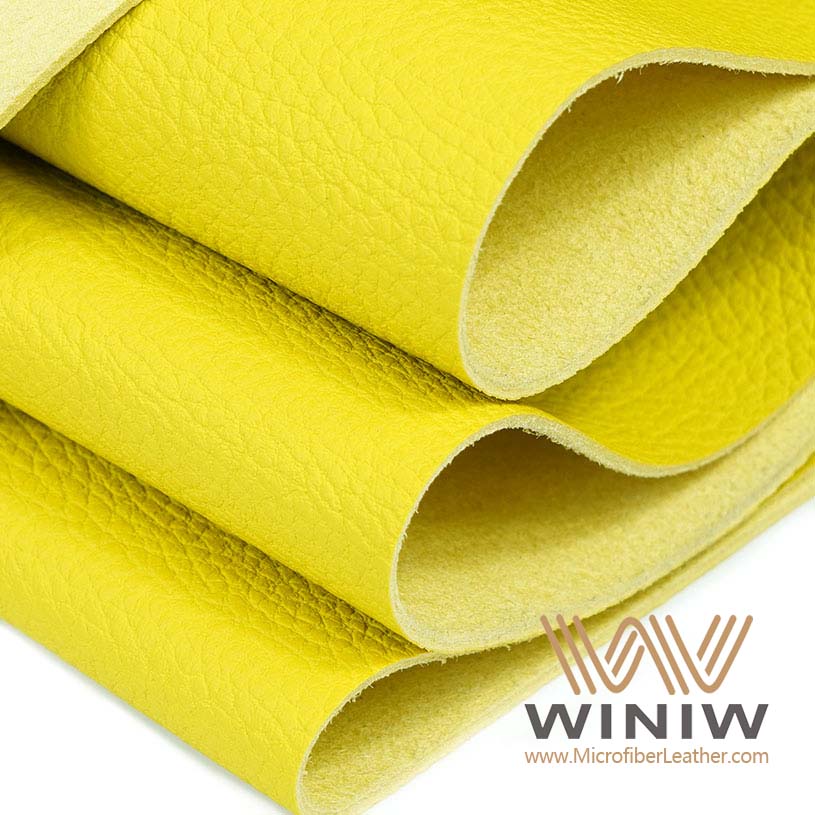
You have many options when you customize your car’s interior. Vinyl seats give you a wide range of colors and patterns. You can match your car’s style or choose bold designs. Leather seats offer fewer color choices, but they provide a high-quality finish. Vinyl costs less and allows for creative expression. Leather remains the choice for those who value tradition and luxury.
| Feature | Vinyl Seats | Leather Seats |
|---|---|---|
| Customization | Wide variety of colors and patterns | Limited color options |
| Cost | Generally cheaper | More expensive |
| Material Quality | Improved quality, some variants mimic leather | High-quality, luxurious feel |
You decide which material fits your vision for your car. Vinyl lets you personalize your car’s interior with ease. Leather gives your car a refined and timeless appearance.
Lifestyle Factors
Families & Pets
If you have children or pets, you want your car seats to handle daily messes and accidents. Vinyl seats resist stains and spills, making cleanup quick and easy. You can wipe away most food, drink, or pet hair with a damp cloth. Leather seats offer a premium look, but they absorb spills faster and may stain if not cleaned right away. Scratches from pet claws show more on leather, while vinyl stands up better to rough use. Many families choose vinyl for its durability and low maintenance. If you want a car interior that stays fresh with less effort, vinyl gives you peace of mind.
Climate & Allergies
Your local climate affects how comfortable your car seats feel. Here’s how each material responds to temperature and humidity:
- Vinyl heats up quickly in direct sunlight and can feel hot to the touch in summer.
- In cold weather, vinyl stiffens and may feel less comfortable.
- Leather regulates heat better, warming evenly in winter and cooling gradually in summer. However, it still needs protection in extreme climates.
Allergy concerns also matter. Vinyl does not trap dust or allergens, making it a good choice if you have sensitivities. Leather is less likely to harbor allergens than fabric, but it needs regular cleaning to stay fresh.
Odor can influence your driving experience. The table below compares odor characteristics:
| Material | Odor Characteristics |
|---|---|
| Leather | Distinctive natural scent, especially new |
| Vinyl | More neutral or plastic-like odor, fades faster |
You should consider your family’s needs, climate, and sensitivities when choosing the best car interior.
Automotive Vinyl Leather Comparison
Side-by-Side Summary
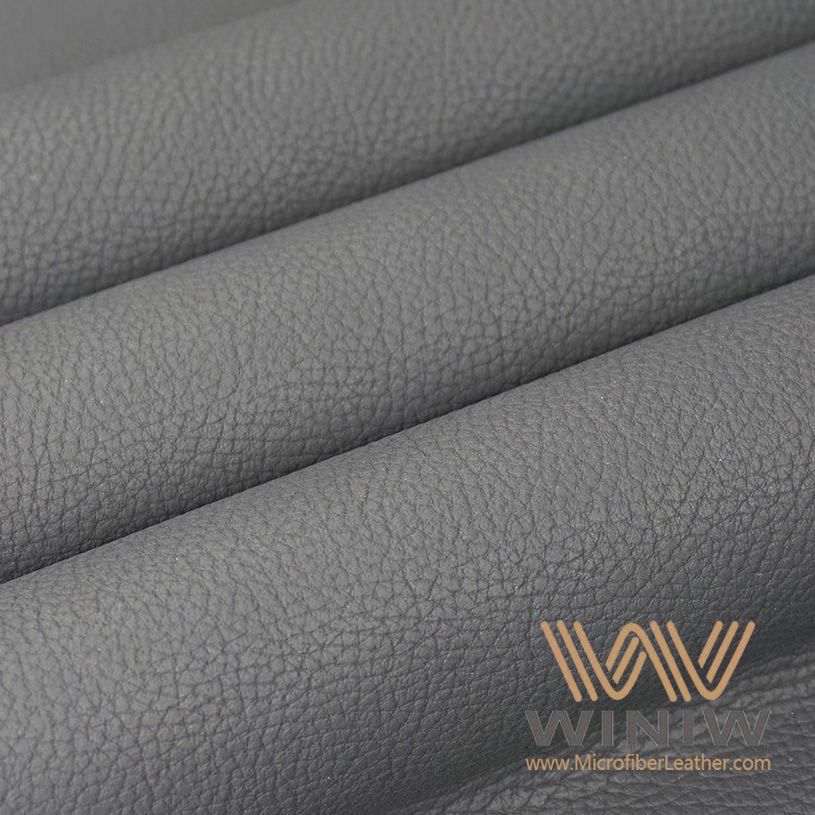
You want to make the best choice for your car interior. Comparing automotive vinyl leather and genuine leather helps you see which material fits your needs. The vinyl vs leather debate centers on comfort, durability, maintenance, cost, appearance, and sustainability. You can use the following table as a quick-reference guide:
| Category | Automotive Vinyl Leather Advantages | Automotive Vinyl Leather Disadvantages | Leather Advantages | Leather Disadvantages |
|---|---|---|---|---|
| Comfort | Easy to maintain, durable in rugged conditions | Can get hot in summer, stiff in winter | More comfortable, adapts to your body | Needs regular care to prevent drying and cracking |
| Durability | Highly resistant to scratches and spills | Can be damaged by sharp objects | Lasts many years with proper care | Requires maintenance to retain integrity |
| Maintenance | Simple cleaning, less upkeep | Limited repair options | Ages gracefully with care | Needs special cleaners and conditioners |
| Cost | Budget-friendly, typically 25% less expensive | Less luxurious appearance | Long-term investment, higher resale value | Higher initial cost due to natural materials |
| Appearance | Practical for work-focused vehicles, customizable | Less prestige compared to leather | Luxurious look and feel | Can fade and crack with extreme exposure |
| Sustainability | Durable, some recycled content, eco-friendly options | Limited recycling programs | Repairable, longer lifespan | Environmental impact from animal farming and tanning |
You see that automotive vinyl leather stands out for easy maintenance and affordability. Vinyl vs leather choices often depend on your priorities. If you want a car interior that resists stains and scratches, vinyl offers practical benefits. You can clean vinyl quickly, which makes it ideal for families and commercial vehicles. Leather gives your car a premium look and feel. You experience greater comfort during long drives because leather adapts to your body. Many drivers prefer leather for its aesthetic appeal, even though it requires more care.
- Vinyl vs leather matters most when you consider your lifestyle. You may choose vinyl for its resilience against wear and tear. You may select leather for its luxury and status.
- Both materials mimic each other in appearance. Synthetic leather options now look and feel similar to genuine leather. Many car owners cannot tell the difference, according to satisfaction surveys.
- You find that automotive vinyl leather appeals to budget-conscious buyers. Leather remains the top choice for those who value tradition and long-term investment.
Note: Customer satisfaction scores for both automotive vinyl leather and genuine leather are nearly equal. Models with both options rate slightly higher than those with only leather seats.
You also need to think about sustainability. Vinyl’s durability helps reduce waste. Some manufacturers use recycled materials in automotive vinyl leather production, which lowers the carbon footprint. Leather lasts longer and can be repaired, but its environmental impact depends on how tanneries process it. You decide whether repairability or low maintenance matters more for your car interior.
- Vinyl vs leather choices reflect your values. If you want eco-friendly options, look for synthetic leather with recycled content.
- If you want a classic look and feel, leather gives your car interior lasting elegance.
You can use this side-by-side summary to weigh the pros and cons. Automotive vinyl leather and genuine leather both deliver high satisfaction. Your final decision depends on your budget, lifestyle, and what you want from your car interior.
You choose vinyl for your car if you want easy maintenance, affordability, and durability. Leather suits your car when you value luxury and breathability. Compare key factors in the table below:
| Factor | Vinyl | Leather |
|---|---|---|
| Cost per m² | $3.20 | $14.45 |
| Breathability | 15 mg/cm²/h | 55 mg/cm²/h |
| Environmental Impact | 8.9 kg CO₂-e | 17.2 kg CO₂-e |
| Biodegradability | 0% | 85% |
- Assess your lifestyle, climate, and car usage.
- Ask yourself: Will you prioritize comfort or easy care?

FAQ
Can you clean vinyl seats in your car with household products?
You can use mild soap and water to clean vinyl seats. Avoid harsh chemicals. Wipe spills quickly to keep your car interior looking fresh.
Does leather improve the resale value of your car?
Leather seats often help your car retain more value. Buyers see leather as a premium feature. Regular care keeps leather looking attractive for resale.
Which material lasts longer in a car used daily?
Leather usually lasts longer if you maintain it well. Vinyl resists stains and scratches, making it ideal for a car that faces daily wear.