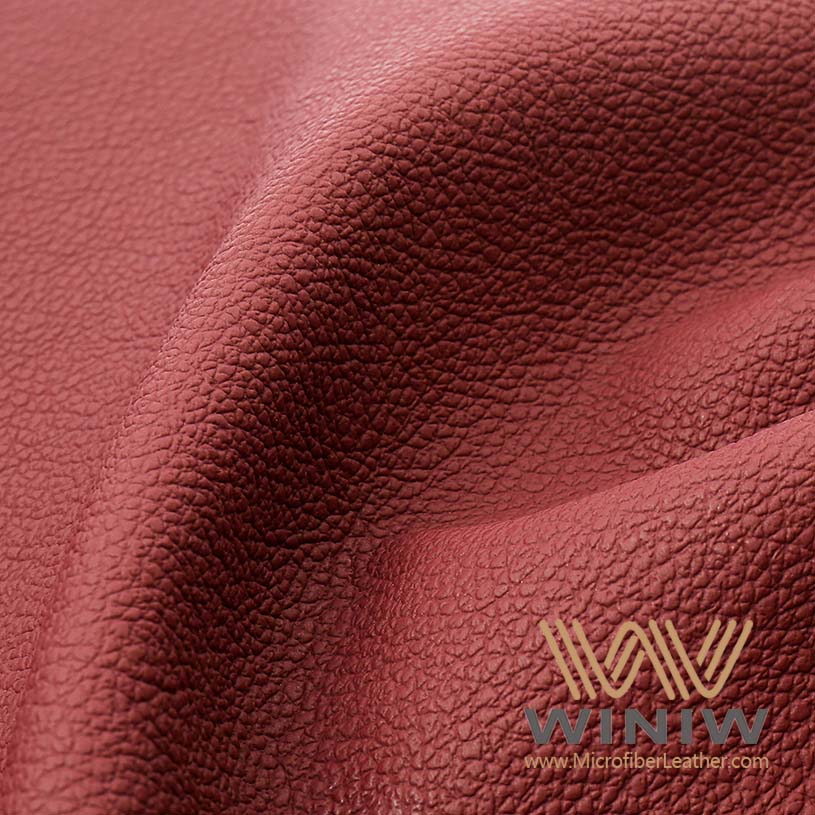
You want car interiors that last, look stylish, and stay easy to clean. Synthetic leather car options deliver on durability, comfort, and eco-friendly appeal. Check out this quick look at why drivers like you choose synthetic leather:
| Benefit | Why It Matters for You |
|---|---|
| Eco-friendly | Supports sustainability |
| Technological Advancements | Feels and breathes like real leather |
| Design Flexibility | Lets you pick colors and textures |
How would these features fit your lifestyle?
Why Synthetic Leather Car Interiors Are a Smart Choice
- Synthetic leather car interiors offer durability and easy maintenance, making them ideal for everyday use.
- Choosing synthetic leather supports eco-friendly practices, as it uses fewer resources and produces less pollution than real leather.
- With a variety of colors and textures, synthetic leather allows for personalized car interiors that combine style and comfort.
Synthetic Leather Car Upholstery Overview
What Is Synthetic Leather?
You might wonder what synthetic leather actually is. This material looks and feels like genuine leather, but manufacturers create it using advanced processes. Synthetic leather uses a mix of plastics and fabrics to mimic the texture and appearance of real leather. You get a stylish finish without the high price tag or complicated care routine. Most car interiors use synthetic leather because it resists stains and fading, making your daily drive easier.
Tip: Synthetic leather upholstery gives you the luxury look with less hassle.
Manufacturers use several steps to produce synthetic leather for cars:
- Material mixing—combine plastics like PVC or PU with special additives.
- Coating—apply the mixture onto a fabric base.
- Drying—make sure the material reaches the right thickness.
- Lamination—bond the coated layer to backing fabric.
- Finishing—add treatments for durability and style.
Types of Synthetic Leather Upholstery
You have options when it comes to synthetic leather upholstery. Each type offers unique benefits for your car’s interior.
| Type | Properties | Applications |
|---|---|---|
| PVC | Moisture and abrasion resistant | Car interiors, outdoor seats |
| PU | Soft, flexible, and durable | Automotive, fashion, furniture |
Polyurethane (PU) feels soft and flexible, much like real leather. Polyvinyl Chloride (PVC) stands up to moisture and wear, so it works well for waterproof needs.
Synthetic Leather vs. Real Leather
Choosing between synthetic leather and real leather? Here’s a quick comparison:
| Feature | Synthetic Leather | Real Leather |
|---|---|---|
| Cost | Cheaper | More expensive |
| Durability | High | Moderate |
| Maintenance | Easy | Needs regular care |
| Appearance | Mimics leather | Unique grain |
| Waterproof | Yes | No |
| Style Options | Many | Limited |
Synthetic leather gives you more style choices and easier upkeep. Real leather offers a classic look, but you’ll spend more time and money maintaining it. If you want a practical, stylish, and affordable option, synthetic leather stands out.
Benefits of Synthetic Leather Car Interiors
Durability and Maintenance
You want your car interior to handle daily life without showing wear. Synthetic leather stands out for its ability to resist fading, staining, and cracking. Unlike natural leather, which can dry out and split, synthetic leather is treated to withstand spills, UV rays, and even the messiest passengers. You can wipe away most stains with a damp cloth, and the surface stays smooth and vibrant for years.
Tip: Regularly use a conditioner and UV protectant spray to keep your seats looking fresh.
Laboratory tests back up the reputation of synthetic leather as a durable choice:
- Heat and light aging tests show that synthetic leather can handle high temperatures and bright sunlight, though you might notice some shade changes after extreme exposure.
- Hydrolysis resistance tests reveal that synthetic leather maintains its structure better than some chrome-free leathers in humid, hot conditions.
- Acrylic-based softening polymers help synthetic leather stay supple, even after years of use.
For routine care, you can:
- Dab stains with a little alcohol on a cotton swab.
- Wipe with a damp cloth.
- Apply anti-static sprays to reduce dust.
- Use conditioners to prevent cracking.
Synthetic leather car interiors make maintenance simple and stress-free.
Cost and Value
You don’t have to break the bank for a stylish, comfortable ride. Synthetic leather car interiors offer a budget-friendly alternative to real leather. You get a premium look without the premium price tag. Manufacturers market synthetic leather as a way to keep costs down while still delivering quality and style.
- Cleaning costs stay low. Cloth seats often need professional cleaning, which adds up over time. With synthetic leather, you can handle most messes yourself, saving hundreds or even thousands of dollars over five years.
- Well-maintained synthetic leather can help your car retain value. While genuine leather may boost resale value a bit more, the overall condition of your vehicle matters most.
| Feature | Synthetic Leather | Real Leather |
|---|---|---|
| Cost | Lower initial cost | Higher price |
| Maintenance | Easy and affordable | Requires more care |
| Resale Value | Holds value if maintained | Higher for luxury |
You get great value and a sharp look with synthetic leather car interiors.
Environmental Impact
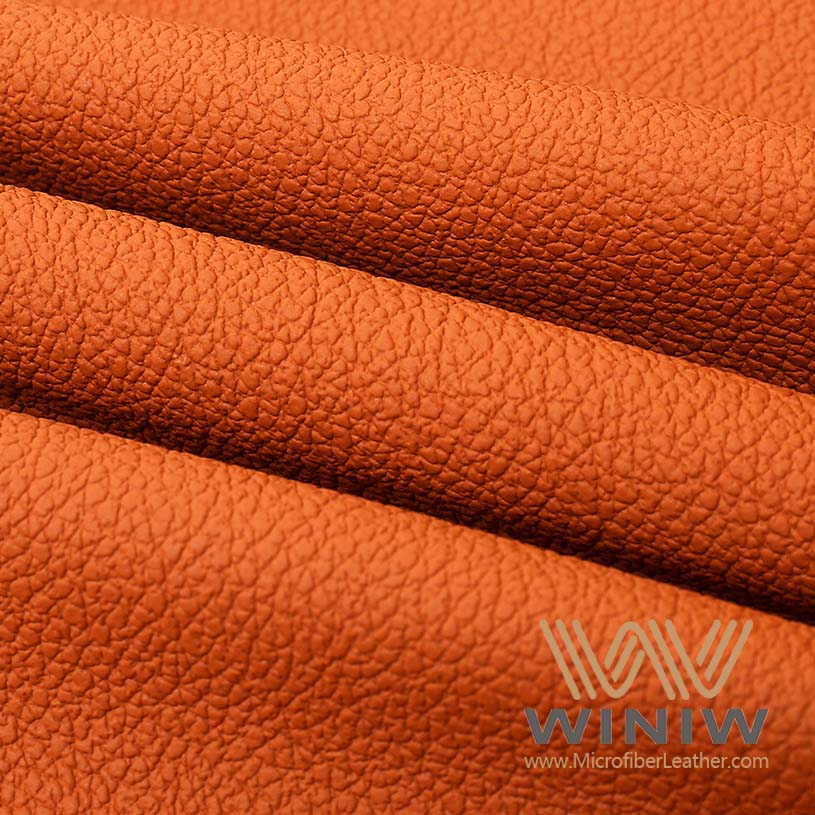
You care about the planet, and so do many automakers. Synthetic leather offers a more eco-friendly option compared to traditional leather. The production process uses fewer resources and creates less pollution.
| Aspect | Real Leather | Synthetic Leather |
|---|---|---|
| Deforestation | Major contributor | No deforestation |
| Water Consumption | High | Lower |
| Energy Consumption | High | Lower |
| Chemical Use | Harmful chemicals in tanning process | Minimal harmful chemicals |
| Biodegradability | Less biodegradable | More biodegradable |
Synthetic leather also produces fewer carbon emissions during manufacturing.
| Type of Leather | Carbon Emissions (kg CO2/m²) |
|---|---|
| Natural Leather | 17.0 |
| Synthetic Leather | 15.8 |
Automakers use renewable resources like plant-based materials and recycled plastics to make synthetic leather. This shift supports sustainability goals and meets growing consumer demand for eco-friendly products. Regulatory pressure also encourages manufacturers to choose synthetic leather for car interiors.
Comfort and Design Flexibility
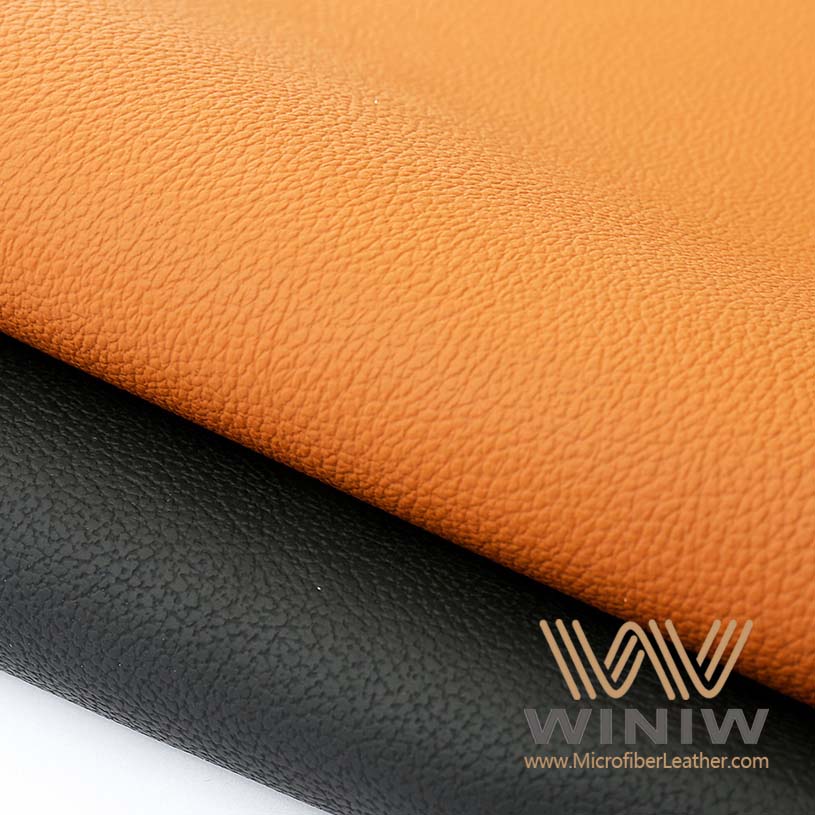
You want your car to feel as good as it looks. Synthetic leather delivers comfort and style, thanks to new technology. Modern synthetic leathers feature better ventilation, so you stay cool even on hot days. Composite yarns and 3D fabric designs add cushioning, reduce noise, and absorb energy, making your ride smoother and quieter.
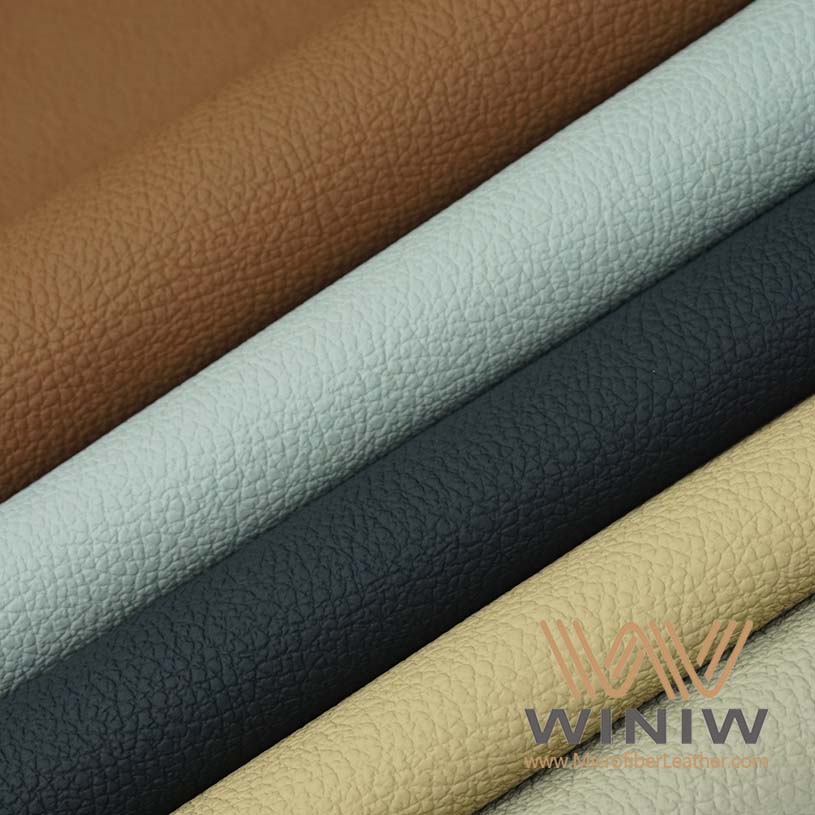
You can pick from a wide range of colors and textures to match your taste.
| Color Options | Texture Options |
|---|---|
| Earthy Neutrals (mocha, olive) | Micro-Embossed Grain (pebble grains) |
| Muted Pastels (blush, sage) | Smooth Matte & Suede-Like Finishes |
| Bold Accents (teal, orange) | Hi-Tech Performance Textures |
Synthetic leather car interiors let you customize your space without limits. You get the look and feel you want, with less hassle.
Lightweight and Fuel Efficiency
You might not think about seat material affecting your gas mileage, but it does. Synthetic leather is lighter than real leather, which helps reduce your car’s overall weight. Automotive engineers have found that even a small drop in weight can boost fuel efficiency. For electric vehicles, this matters even more.
| Evidence Description | Impact on Fuel Efficiency |
|---|---|
| Use of synthetic leather contributes to weight reduction | Enhances fuel efficiency, especially in electric vehicles |
| Transition from heavy natural hides to lighter polymer-based alternatives | Improves energy consumption metrics without sacrificing quality |
| Urgent need for lightweight components in electric vehicles | Supports efficiency targets for electrified fleets |
Lighter cars use less fuel and produce fewer emissions. About one-third of electric vehicles now use synthetic leather for their interiors, showing how important this material is for the future of driving.
Note: Choosing synthetic leather car interiors means you get a stylish, comfortable, and efficient ride that’s easier on your wallet and the environment.
Synthetic leather car interiors give you style, comfort, and value. You get easy cleaning, durability, and eco-friendly materials. Many drivers cannot tell the difference from real leather. Top brands like BMW and Mercedes-Benz trust synthetic leather for its look and feel. The future points to more choices and greener rides.

FAQ
Can synthetic leather car interiors handle hot or cold weather?
Yes! Synthetic leather resists cracking in cold and fading in heat. You can enjoy comfort year-round, even if you park outside.
Are there eco-friendly options for synthetic leather?
You can choose plant-derived materials for your car interior. These options use fewer resources and help reduce your environmental impact.
Does synthetic leather feel like real leather?
You might not notice a difference. Many brands use plant-derived technology to create a soft, premium feel that rivals genuine leather.