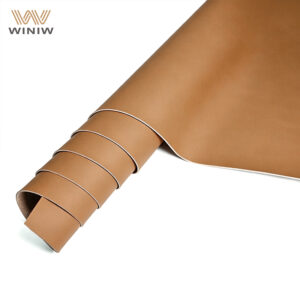
You may find synthetic car leather a smart alternative to real leather for your car interior. Many drivers choose it for water-repellent properties, lower cost, and animal-free production. Today, rising demand for sustainable materials and government regulations encourages you to consider durability, comfort, maintenance, and environmental impact before making a decision.
Is Synthetic Car Leather a Good Alternative to Real Leather
- Synthetic car leather offers easy maintenance and stain resistance, making it ideal for busy lifestyles.
- Real leather provides a luxurious feel and retains vehicle value better than synthetic options, appealing to those seeking premium quality.
- Consider your budget, comfort preferences, and environmental impact when choosing between synthetic and real leather for your car interior.
Synthetic Car Leather Overview
Types of Synthetic Leather
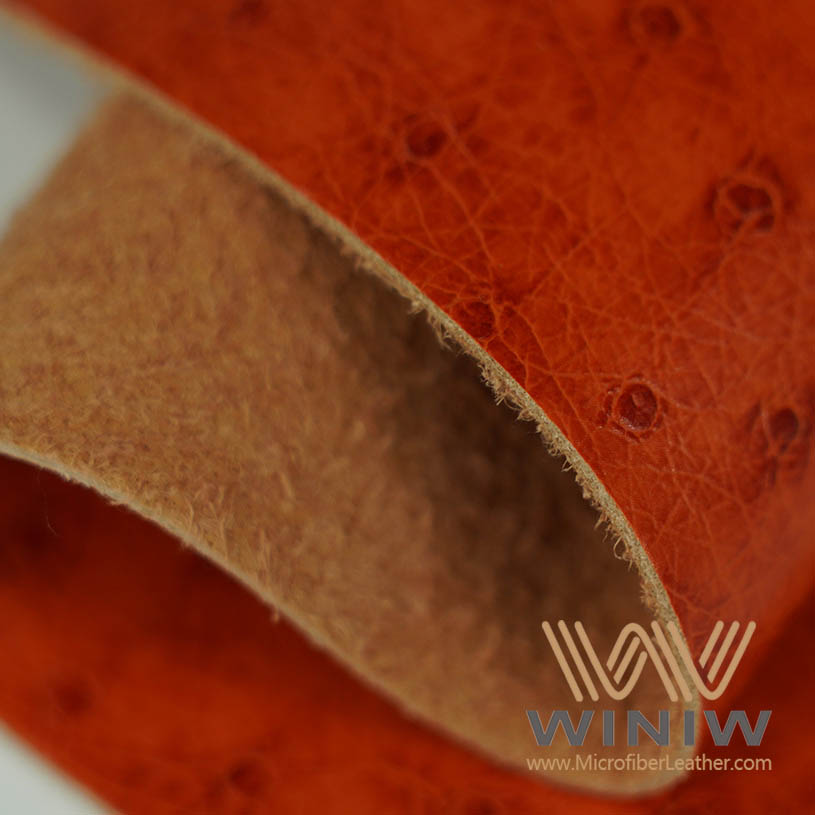
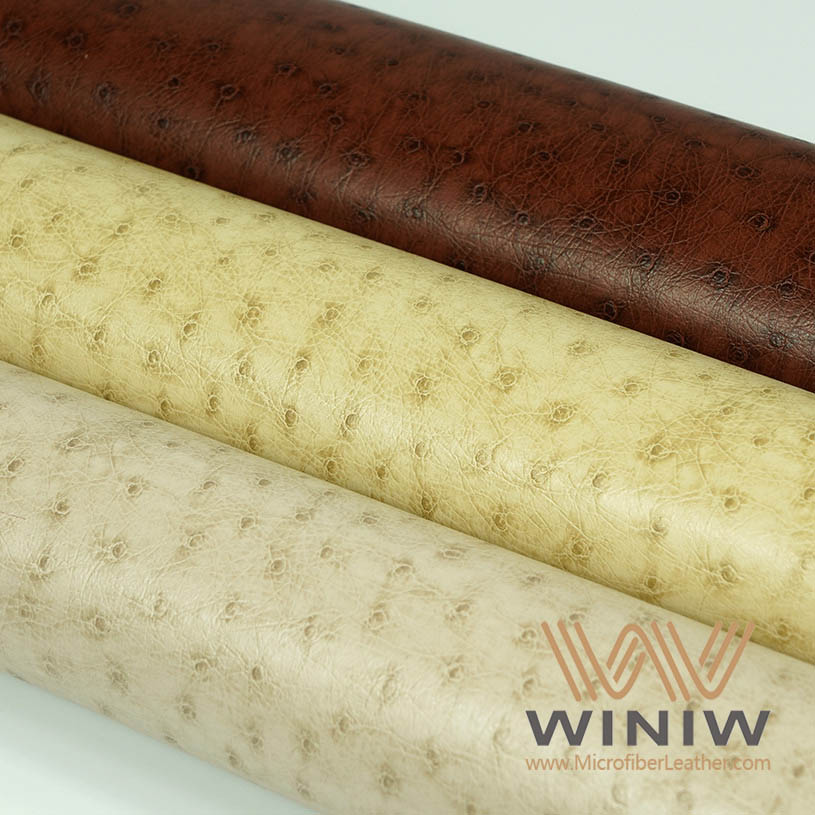
You will find two main types of synthetic leather in car interiors: PVC (Polyvinyl Chloride) and PU (Polyurethane). PVC stands out for its durability and cost-effectiveness. Many car manufacturers use it in entry-level models because it resists wear and tear. PU, on the other hand, gives you a more premium feel. It often appears in higher-end car interiors where comfort and appearance matter most. Both materials aim to mimic the look and texture of real leather, but PU is easier to maintain and feels softer to the touch. You may also hear the term faux leather, which refers to both PVC and PU options. Faux leather has become popular because it offers a cruelty-free alternative without sacrificing style.
Note: PU synthetic leather holds a 42% market share in the automotive industry. This popularity comes from its breathability, durability, and close resemblance to genuine leather.
Production & Use in Car Interiors
Manufacturers follow a detailed process to create high-quality synthetic leather for car interiors:
- Preparing the fabric base, usually polyester, for strength and durability.
- Coating the fabric with polyurethane to replicate the feel of real leather.
- Printing and texturing the surface to add realistic patterns.
- Drying and curing the material to lock in durability.
- Applying finishing touches for enhanced appearance and longevity.
You will see faux leather used in seats, door panels, and dashboards. Many drivers prefer faux leather because it resists stains and requires less maintenance than real leather. When you choose synthetic leather, you get a modern look and practical benefits for your car interiors.
Real Leather in Car Interiors
Sourcing & Processing
You often see real leather in car interiors because of its reputation for quality and luxury. Most real leather comes from cows, but sheep, pigs, and goats also contribute. The table below shows the main animal sources and their characteristics:
| Animal Source | Percentage of Production | Characteristics |
|---|---|---|
| Cows | 65% | Durable and versatile, often a byproduct of meat and dairy industries. |
| Sheep | 15% | Soft texture, used for delicate items like clothing and accessories. |
| Pigs | 11% | Dense texture, used in gloves and sportswear. |
| Goats | 9% | Thinner and pliable, ideal for bags and gloves. |
You get real leather for car interiors through a careful process. First, manufacturers source hides from the meat and dairy industries. They cure the hides with salt or freezing to prevent decay. Next, they use tanning methods, such as vegetable or chrome tanning, to stabilize the material. Finally, they dye and finish the leather to enhance its quality and appearance.
Real Leather Qualities
You choose real leather for car interiors when you want a blend of durability, comfort, and style. The material stands out for several reasons:
- Durability: Real leather resists daily wear and tear, so it lasts for years.
- Comfort: The natural breathability of real leather keeps seats cool in summer and warm in winter.
- Aesthetic appeal: Real leather adds a sophisticated look to car interiors, making your vehicle feel premium.
- Ease of maintenance: You can clean real leather easily, which helps maintain its quality over time.
- Sustainability: Real leather uses by-products from other industries, which supports environmental responsibility.
Tip: Regular conditioning helps preserve the quality and softness of real leather in your car interiors.
Synthetic vs Real Leather
Durability & Longevity
When you compare synthetic car leather and real leather in car interiors, durability stands out as a key factor. Both materials can last between 7 to 10 years under typical usage conditions. The lifespan depends on how well you care for your car seat covers and how much exposure they get to sunlight and moisture. Real leather offers superior durability and wear, often outlasting synthetic options when you maintain it properly. Faux leather covers resist stains and cracking, but they may show signs of aging sooner, especially if exposed to extreme temperatures. Synthetic leather is lighter and provides cost-effective durability, making it a popular choice for car interiors. You will notice that real leather covers maintain their quality and luxury feel longer, while synthetic car leather covers may crack or fade over time.
- Real leather covers: Last longer with regular conditioning and protection.
- Synthetic car leather covers: Resist stains and moisture but may crack after several years.
- Faux leather covers: Offer good durability for daily use but require less maintenance.
Tip: You can extend the lifespan of both materials by using high-quality car seat covers and following recommended care routines.
Comfort & Feel
Comfort plays a major role when you choose between synthetic car leather and real leather for car interiors. Consumer surveys show that you value tactile satisfaction, including roughness and smoothness, when selecting car seat covers. Real leather provides superior comfort due to its natural breathability and ability to regulate temperature. You will feel the difference in softness and support, especially during long drives. Faux leather covers mimic the look and feel of real leather, but they may lack the same level of breathability. Synthetic car leather covers feel softer and smoother, yet they can retain heat, making seats warmer in summer.
- Real leather covers: Deliver superior comfort and luxury with a breathable material that adapts to your body.
- Synthetic car leather covers: Feel soft and smooth but may not offer the same breathability.
- Faux leather covers: Provide a comfortable seating experience with a stylish appearance.
Note: If you want a breathable material for your car interiors, real leather covers offer better moisture control and temperature regulation.
Maintenance & Cleaning
Ease of maintenance is another important factor when you select car seat covers for your vehicle. Synthetic car leather covers require minimal cleaning and resist stains, making them ideal for busy lifestyles. You can wipe spills away easily with a damp cloth, and you do not need harsh chemicals. Real leather covers need more attention, including regular conditioning and protection from direct sunlight. Faux leather covers offer easy cleaning and maintain their quality with simple care routines.
| Material | Maintenance Routine |
|---|---|
| Synthetic leather | Wipe with a damp cloth as needed, avoid harsh chemicals. |
| Real leather | Wipe with damp cloth weekly, condition 2–4 times per year, avoid direct sunlight. |
| Material | Cleaning Requirements | Stain Resistance |
|---|---|---|
| Real leather | Requires more maintenance and specialized supplies | Enhanced durability with special treatments |
| Synthetic leather | Easier to clean, spills can be wiped away easily | Generally more resistant due to non-porous nature |
- Faux leather covers: Protect from dirt and moisture with high-quality interior car care products.
- Real leather covers: Regular maintenance enhances appearance and lifespan.
- Synthetic car leather covers: Offer ease of maintenance and strong stain resistance.
Cost Comparison
Cost influences your decision when choosing between synthetic car leather and real leather for car interiors. Synthetic leather is easier to mass-produce, which lowers the price for automakers and consumers. Real leather covers add a luxury touch but often come as an extra expense. Faux leather covers provide a stylish look at a fraction of the cost, making them a budget-friendly option.
| Material | Maintenance Cost | Repair Cost | Durability | Notes |
|---|---|---|---|---|
| Synthetic leather | Lower | Moderate | Good | Resistant to spills and stains, requires less maintenance. |
| Real leather | Higher | Higher | Excellent | Requires special care, can dry out or crack without proper maintenance. |
- Synthetic car leather covers: Cost-effective durability and lower maintenance costs.
- Real leather covers: Higher upfront and ongoing costs due to specialized care.
- Faux leather covers: Affordable choice for those seeking luxury aesthetics without the premium price.
Environmental Impact
Sustainability matters when you evaluate materials for car interiors. Real leather covers biodegrade in 50 years or less and use by-products from the meat industry, which helps minimize waste. Synthetic car leather covers, made from petrochemicals, take over 500 years to decompose and contribute to pollution. Faux leather covers release microplastics and harmful chemicals as they break down. However, advancements in TPU synthetic leather have improved recyclability, supporting circular economy initiatives. PVC synthetic leather can also be recycled, offering potential environmental benefits. Real leather tanning uses harsh chemicals, creating toxic waste and pollution.
| Aspect | Real Leather | Synthetic Leather |
|---|---|---|
| Biodegradability | Biodegrades in 50 years or less | Non-biodegradable, takes 500+ years to decompose |
| Resource Use | By-product of meat industry, minimizes waste | Made from petrochemicals, contributes to pollution |
| Carbon Footprint | Helps reduce landfill waste by 7.3 million tons annually | High due to petrochemical production |
| Durability | Lasts five times longer than synthetics | Wears out quickly, leading to more waste |
| Environmental Impact | Minimal final impact due to biodegradability | Releases harmful chemicals and microplastics when breaking down |
- TPU synthetic leather covers: Recyclable and support sustainability goals.
- PVC synthetic leather covers: Can be recycled, reducing environmental impact.
- Real leather covers: Present environmental challenges due to tanning chemicals but offer better biodegradability.
Alert: If sustainability is your priority, consider the recyclability and environmental footprint of your chosen car seat covers.
Pros & Cons of Synthetic Car Leather
Advantages of Synthetic Leather
You gain several benefits when you choose synthetic leather for car interiors. Many automakers prefer this material because it offers cost savings and design flexibility. You can select from a wide range of colors, textures, and stitching patterns, which helps you personalize your car seat covers and match your desired aesthetics. Synthetic leather also appeals to eco-conscious drivers, as manufacturers use sustainable processes to create it. You will notice that this material resists stains and damage, making it ideal for high-wear environments like rental fleets or family vehicles. Synthetic leather adapts well to innovative seating arrangements, especially in autonomous vehicles.
| Advantage | Description |
|---|---|
| Customization Options | Offers various colors, textures, and stitching patterns for personalized interiors. |
| Eco-friendliness | Made with sustainable processes, appealing to eco-conscious consumers. |
| Durability | Resistant to stains and damage, ideal for high-wear environments like rental fleets. |
| Versatility | Adaptable for innovative seating arrangements in autonomous vehicles. |
| Cost Effectiveness | More affordable than natural leather, reducing production expenses. |
| Design Flexibility | Wide array of colors, patterns, and finishes for greater design flexibility. |
You will find that synthetic leather provides a luxurious feel and premium look without the high price tag of traditional leather upholstery. Many drivers appreciate the easy maintenance and the ability to keep car seat covers looking new with minimal effort. Synthetic leather covers often outperform cloth seats in terms of stain resistance and aesthetics, giving your car interiors a premium upgrade.
Disadvantages of Synthetic Leather
You should also consider the drawbacks of synthetic leather in car interiors. Some types, especially those made from PVC, can release hazardous compounds, which raises concerns about sustainability and environmental pollution. Synthetic leather covers tend to have a shorter lifespan compared to genuine leather. Over time, you may notice peeling or cracking, especially if you do not care for the covers properly. Many drivers feel that synthetic materials do not match the luxury or premium material quality of real leather upholstery, which can affect your perception of value.
- Environmental pollution from PVC-based faux leathers.
- Shorter lifespan and susceptibility to peeling and cracking.
- Perception of synthetic materials as inferior to genuine leather.
- Synthetic leather resists fading and UV damage better than real leather, but it may not deliver the same luxurious feel or comfort.
- Some drivers prefer cloth seats for breathability, but synthetic leather covers offer better durability and aesthetics.
Tip: If you want a balance between luxury, comfort, and sustainability, compare synthetic leather covers with cloth seats and real leather before making your decision.
Pros & Cons of Real Leather
Advantages of Real Leather
You experience several benefits when you choose real leather for your car interior. Real leather stands out for its premium look and feel. You notice the difference every time you sit down. The material feels soft and luxurious, which many drivers appreciate. Real leather also helps your vehicle retain value over time. Vehicles with leather interiors hold their value better than those with cloth seats. Many buyers prefer real leather, with 69% choosing it over synthetic options. This strong market preference means you can sell your car more easily if it has leather instead of cloth seats. Genuine leather also creates a premium experience, which boosts your car’s marketability.
- Real leather provides a luxurious and comfortable seating surface.
- Vehicles with leather interiors retain value better than those with cloth seats.
- Most car buyers prefer real leather, making your car more attractive on the market.
- Genuine leather gives your car a premium image.
Tip: If you want to maximize resale value, real leather often outperforms cloth seats and synthetic alternatives.
Disadvantages of Real Leather
You should consider some drawbacks before choosing real leather. The cost is higher than both synthetic leather and cloth seats. This price difference can be a barrier if you have a tight budget. Real leather also needs regular care. You must clean and condition it to prevent drying and cracking. Neglecting maintenance can lead to damage, which reduces the benefits of choosing leather over cloth seats. Some drivers have ethical concerns about using animal products. This makes real leather less appealing if you want an animal-free or eco-friendly option. The automotive industry faces pressure to use more sustainable materials. Companies like Mercedes Benz and Bentley now use plant-based alternatives instead of traditional leather. These changes reflect a shift away from animal products and toward environmentally friendly solutions.
- Real leather costs more than cloth seats and synthetic options.
- You need to maintain leather regularly to keep it in good condition.
- Ethical and environmental concerns may make you prefer cloth seats or plant-based materials.
- Many automakers now explore vegan leather to meet sustainability goals.
Alert: If you want a low-maintenance or animal-free interior, cloth seats or new plant-based materials may suit your needs better.
Choosing the Right Material for Your Car Interior
Key Factors to Consider
When you select materials for your car interior, you need to balance comfort, durability, and luxury. Climate plays a big role. Leather can feel hot in summer, while velour adds warmth in cold weather. Your comfort preferences matter. Some people want a soft, breathable seat, while others focus on easy cleaning. Usage patterns also guide your choice. If you use your car for heavy-duty tasks, canvas or polyester may work best. For water resistance, neoprene or polyester offer strong protection.
Automotive experts suggest you look at four main aspects:
| Aspect | Description |
|---|---|
| Cost | Think about your budget and how much you want to spend on materials. |
| Durability | Pick materials that handle daily wear, especially in busy areas like seats and armrests. |
| Aesthetics | Choose materials that match your style and give your car a sense of luxury. |
| Sustainability | Consider eco-friendly options that still deliver quality and comfort. |
Tip: Make sure your material choices work well together. Try to match textures, colors, and patterns for a cohesive look.
Matching Material to Your Needs
You should match your car interior material to your lifestyle. If you have pets or kids, easy-to-clean surfaces and slip-resistant backing help keep your car looking new. Full seat coverage and a premium look can add both comfort and luxury. For pet owners, trunk liners and quilted mats with EVA foam or TPU overlays protect against scratches and messes. These features also trap fur and boost the luxury feel of your car.
Your comfort preferences shape your decision. If you value comfort above all, real leather or high-quality synthetic leather can provide a soft, supportive seat. If you want a luxury experience, focus on materials that offer both style and comfort. For those on a budget, synthetic options can still deliver a sense of luxury without the high price.
Note: Durability testing ensures your chosen material stands up to daily use, UV rays, and temperature changes, so your car keeps its comfort and luxury for years.
You see clear differences between synthetic and real leather for car interiors. The table below highlights key points. Choose synthetic leather for easy cleaning, affordability, and design options. Pick real leather for luxury and long-term value. Weigh your needs and priorities before making your final decision.
| Aspect | Synthetic Leather | Traditional Leather |
|---|---|---|
| Durability | More resistant to wear, stains, and UV | Susceptible to cracking and fading |
| Maintenance | Easy to clean with a damp cloth | Requires regular conditioning |
| Cost | Generally more affordable | Higher price point |
| Design Versatility | Customizable in colors and textures | Limited customization options |
| Environmental Impact | Often made from recycled materials | Higher resource consumption |

FAQ
Is synthetic car leather waterproof?
You get water resistance with synthetic car leather. Spills do not soak in quickly. You can wipe away most liquids before they stain.
Does synthetic leather smell like real leather?
You notice a different scent. Synthetic leather does not have the rich, natural aroma of real leather. Manufacturers sometimes add artificial scents.
Can you repair cracks in synthetic car leather?
You can fix small cracks with repair kits. Deep cracks may need professional help or replacement. Regular cleaning helps prevent damage.