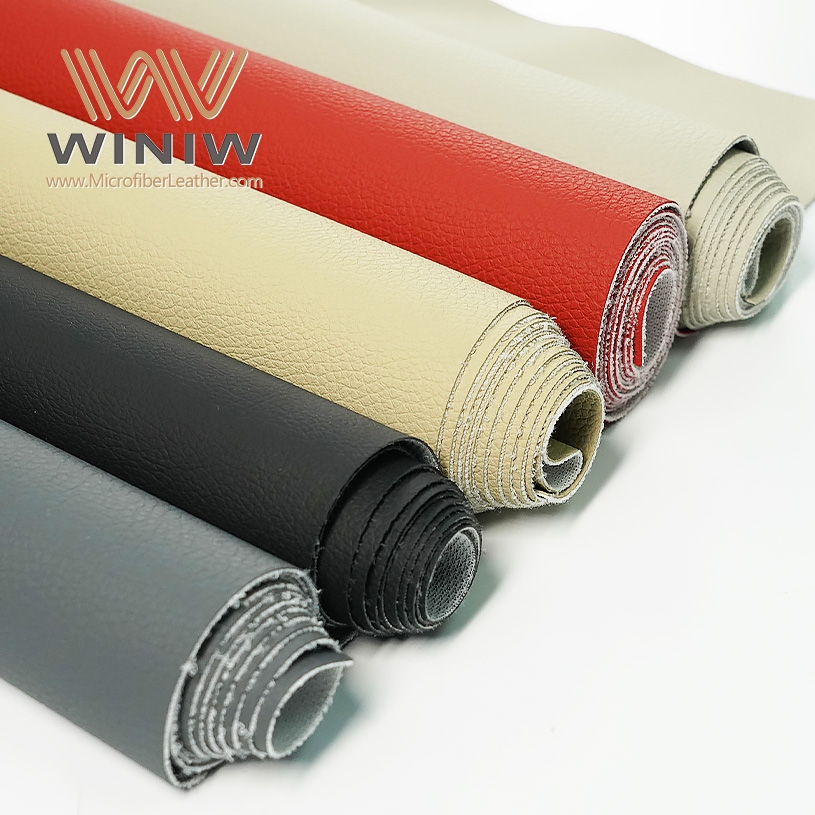
Në 2025, the most popular auto interior fabric choices include premium leather, Alkantara, kamoshi, vinyl, poliestër, pambuku, wool, and innovative hybrid materials. Industry reports show that these fabrics appear in many car interiors due to their unique qualities. The selection of automotive interior fabrics directly affects comfort, qëndrueshmëri, stil, mirëmbajtjen, and vehicle value. Recent trends emphasize sustainability, with smart textiles and eco-friendly options gaining traction. Each fabric offers different benefits, so drivers should match their choice to lifestyle needs, klima, and personal style preferences.
Pëlhura të njohura të brendshme të automjeteve dhe pse ato kanë rëndësi
- Choose the right fabric based on your lifestyle needs for comfort and durability.
- Leather offers luxury and durability but requires regular maintenance to keep it looking good.
- Vinyl is a cost-effective option that resists stains and is easy to clean, duke e bërë atë ideal për familjet.
- Consider eco-friendly fabrics that combine natural and synthetic materials for sustainability and comfort.
- Test different fabrics in person to find the best match for your vehicle’s interior and your personal style.
- Regular cleaning and prompt attention to spills can extend the life of your auto interior fabric.
- Look for fabrics with stain resistance and easy maintenance to keep your car looking fresh.
- Emerging trends focus on smart fabrics that enhance comfort and sustainability in car interiors.
Auto Interior Fabric Types
Lëkurë
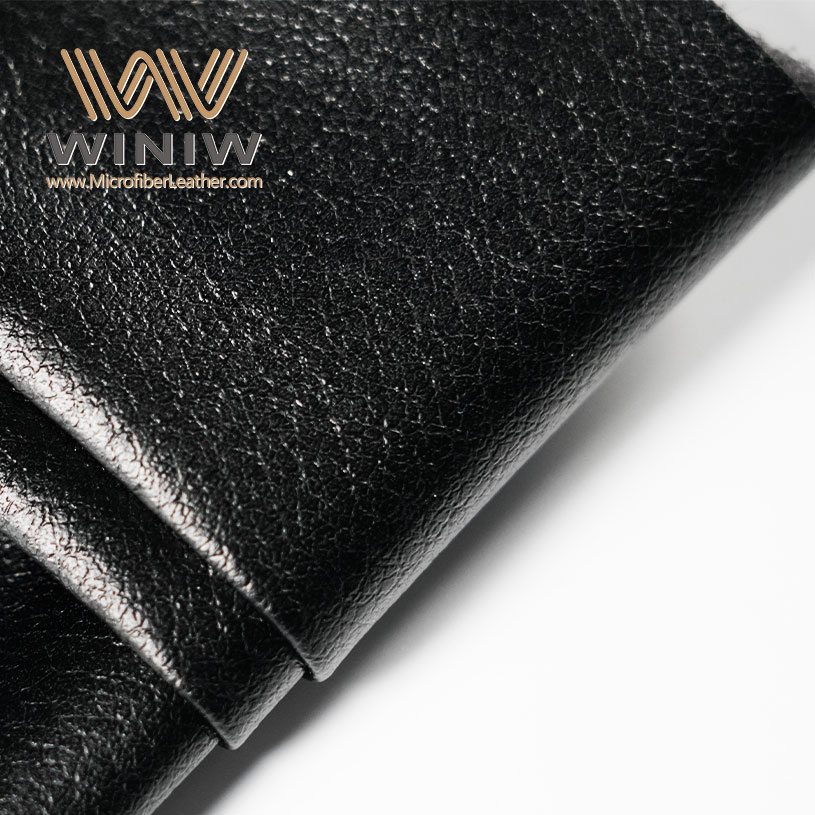
Leather stands out as a classic choice for auto interior fabric. Many car interiors feature tapiceri lëkure because it delivers a luxurious and stylish appearance. Leather offers durability and resists stains and spills, making it a preferred option for drivers who value both aesthetics and practicality. The material adds value to vehicles and allows owners to make a personal statement through their interior design. Leather seats remain the most expensive and luxurious option in the market. They are easy to clean if not perforated, but they require specialized maintenance to preserve their quality. Tapiceri lëkure does not stain easily compared to other fabrics, yet it demands regular care, especially in households with kids or pets. Some consumers appreciate leather for its elegant look and long-lasting nature, while others find the maintenance challenging. Leather upholstery is not always available in standard models, which can limit choices for buyers. The material excels in durability and style, but owners must commit to proper upkeep to maintain its premium feel.
Këshillë: Regular conditioning helps leather upholstery retain its softness and prevents cracking over time.
Kamoshi
Suede brings a soft texture and a luxurious look to car interiors. Many drivers choose suede upholstery for its comfort and unique appearance. The material enhances the tactile experience inside the vehicle, making seats and panels feel inviting. Suede stands out among fabrics for its plush feel, but it is prone to staining and can be difficult to clean. Maintenance becomes more complicated compared to synthetic alternatives, which often resist stains better. Suede upholstery requires careful attention to avoid damage from spills or dirt. Some manufacturers offer microsuede, a synthetic version that mimics the softness of suede but provides easier cleaning and greater stain resistance. Suede appeals to those who prioritize comfort and style, but it demands more diligent upkeep than other fabrics.
Alkantara
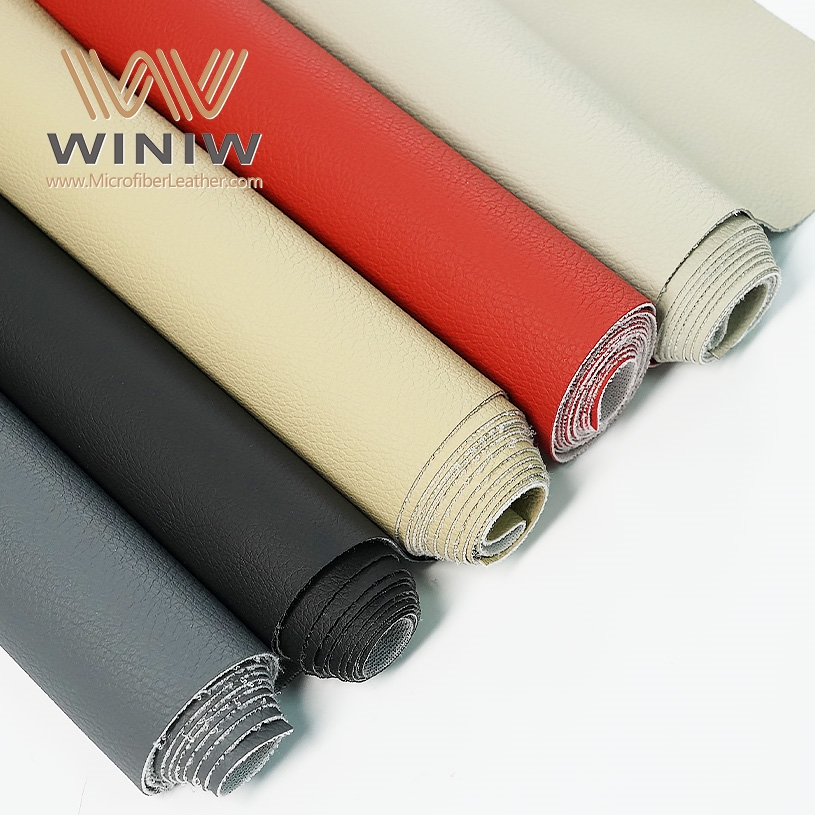
Alcantara has become a preferred choice for luxury auto interior fabric. This synthetic material offers superb durability and resists wear and tear, duke ruajtur pamjen e saj me kalimin e kohës. Alcantara upholstery is available in various colors, allowing for tailored interior designs that suit individual tastes. The material provides a non-slip surface, enhancing control and comfort for drivers and passengers. Alcantara stands out for its breathability and washability, making it ideal for car interiors that require both performance and easy maintenance. Manufacturers produce Alcantara with environmental responsibility, minimizing waste and emissions during production. The material has played a significant role in automotive design since 1978, often appearing in custom-made car interiors to enhance uniqueness. Alcantara combines durability, rehati, dhe qëndrueshmëri, making it a top choice for modern vehicles.
| Lloji i pëlhurës | Karakteristikat | Best Uses |
|---|---|---|
| Natyrore | Made from plant or animal sources, ndjesi e butë, frymëmarrjes, të qëndrueshme | Tapiceri, perde, veshje |
| Sintetike | Made from chemicals, often affordable, can be designed to resemble natural fabrics | Sportswear, swimwear, items needing waterproofing or flame resistance |
Alcantara and suede represent synthetic and natural options, while leather remains a premium natural choice. Microfiber and other synthetic fabrics continue to gain popularity for their affordability and ease of maintenance. Auto interior fabric selection depends on the desired balance between comfort, qëndrueshmëri, dhe stil.
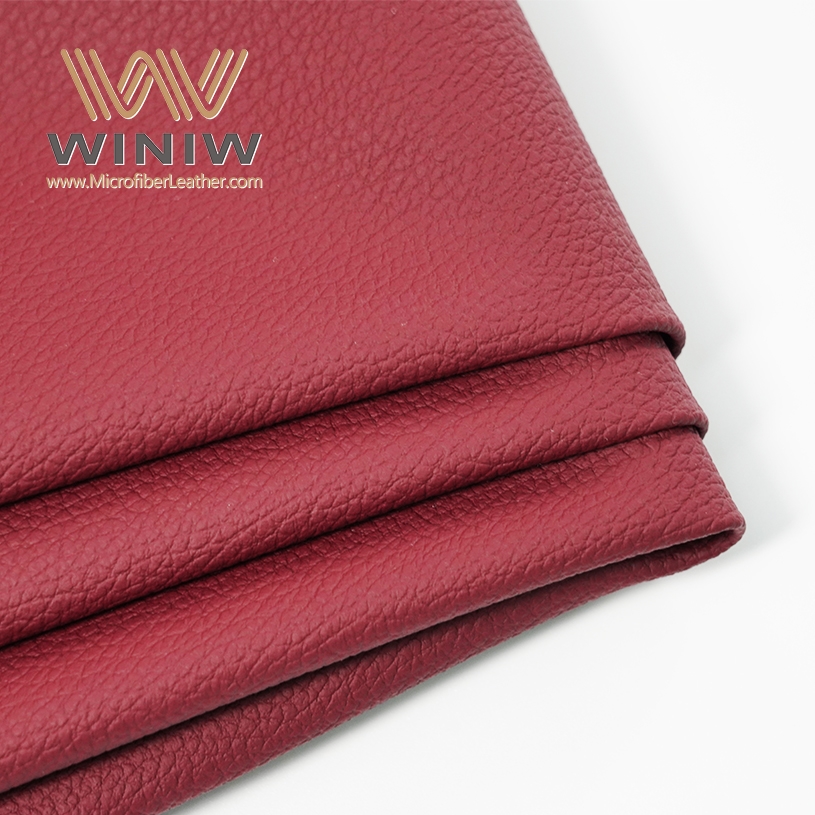
Vinil
Vinyl stands out as a practical choice for auto interior fabric. Many manufacturers select vinyl upholstery for its impressive durability and affordability. Vinyl costs much less than leather or Alcantara, me prices starting as low as $7.00 për oborr. This makes it accessible for a wide range of vehicles, from entry-level models to commercial fleets. The material resists scratches and stains, which helps maintain a clean appearance in high-traffic areas. Vinyl also withstands extreme temperatures, so it performs well in both hot and cold climates. Car interiors with vinyl upholstery often require less maintenance than those with natural fabrics. Owners appreciate vinyl for its easy cleaning and long-lasting surface. While vinyl does not offer the same luxurious feel as leather, it provides a cost-effective solution for drivers who prioritize practicality and resilience in their vehicle interiors.
Shënim: Vinyl upholstery works especially well for families, pronarët e kafshëve shtëpiake, and anyone who needs a tough, low-maintenance surface.
Poliestër
Polyester has become a popular synthetic fabric in modern car interiors. This material offers a balance of comfort, qëndrueshmëri, dhe përballueshmërinë. Manufacturers often choose polyester upholstery because it resists matting and staining, which keeps seats looking new for longer periods. The fabric also provides a soft touch, making it comfortable for daily use. Many automakers have reduced material costs by deri në 12% by using solution-dyed, flame-retardant polyester in their vehicles. Polyester fabrics come in a variety of colors and textures, allowing for creative interior designs. The material does not absorb spills easily, so it is easier to clean than many natural fabrics. Polyester upholstery appeals to drivers who want a budget-friendly option without sacrificing style or performance.
- Polyester fabrics resist matting and staining, which helps maintain a fresh appearance.
- The material is cost-effective, reducing overall upholstery expenses for manufacturers.
- Polyester offers a wide range of color and texture options for car interiors.
- The fabric is easy to clean and maintain, making it suitable for busy lifestyles.
Pambuk & Wool
Cotton and wool remain classic choices for auto interior fabric, valued for their natural comfort and breathability. These fabrics provide a soft feel against the skin, which enhances comfort during long drives. Cotton and wool upholstery allows air to circulate, reducing heat buildup in seats during warm weather. Both materials absorb moisture, helping to keep the interior dry and pleasant. Cotton and wool are also hypoallergenic, which reduces the risk of allergic reactions and contributes to a healthier cabin environment.
| Karakteristike | Përshkrimi |
|---|---|
| Softness and comfort | Provides a soft feel against the skin, enhancing comfort in vehicle interiors. |
| High breathability | Allows air circulation, reducing heat buildup in seats during warm weather. |
| Good moisture absorption | Thith lagështinë, helping to keep the interior dry and comfortable. |
| Hipoalergjike | Reduces the risk of allergic reactions, contributing to overall comfort. |
Cotton and wool upholstery suits drivers who value a natural, inviting atmosphere in their vehicles. These fabrics work well in climates where temperature control and moisture management are important. While cotton and wool may require more care than synthetic options, their comfort and breathability make them a preferred choice for many car owners seeking a cozy and healthy interior.
Hybrid & Eko-miqësore
Hybrid and eco-friendly upholstery fabrics have become a major focus in the auto interior fabric market. Manufacturers now prioritize sustainability when designing car interiors. They use innovative materials that combine natural fibers with synthetic alternatives. This approach creates upholstery that balances comfort, qëndrueshmëri, dhe përgjegjësinë mjedisore.
Many automakers have adopted sustainable fabrics for upholstery. These fabrics often include poliestër i ricikluar, bio-based textiles, and biodegradable materials. Some companies integrate natural fibers such as hemp, flax, and bamboo into upholstery. These fibers offer a soft feel and help regulate temperature inside the vehicle. The combination of natural and synthetic fibers produces hybrid fabrics that resist wear and stains while remaining comfortable.
BMW has set an example by using natural fibers in the i3 model’s door panels. This move highlights the growing demand for eco-friendly upholstery in car interiors. Other manufacturers have followed suit, developing upholstery fabrics that reduce environmental impact. Recycled plastics and biodegradable textiles now appear in many new vehicles.
Hybrid upholstery fabrics offer several advantages:
- They provide durability and stain resistance similar to traditional synthetic fabrics.
- Natural fibers add breathability and comfort to car interiors.
- Sustainable fabrics help lower the carbon footprint of vehicle production.
- Biodegradable textiles make disposal easier and safer for the environment.
The table below compares common features of hybrid and eco-friendly upholstery fabrics:
| Veçori | Hybrid Fabrics | Eco-Friendly Fabrics |
|---|---|---|
| Përbërja | Natyrore + Sintetike | Recycled or Biodegradable |
| Rehati | Lartë | E moderuar në të lartë |
| Qëndrueshmëria | Lartë | E moderuar në të lartë |
| Qëndrueshmëria | E moderuar | Lartë |
| Mirëmbajtja | Lehtë | Lehtë |
Hybrid and eco-friendly upholstery fabrics continue to gain popularity. They meet the needs of drivers who value sustainability and comfort. These fabrics also support the shift away from leather, which has a higher environmental impact. Ndërsa teknologjia përparon, more manufacturers will introduce sustainable fabrics into their auto interior fabric options. The future of car interiors will rely on upholstery that protects the environment and enhances the driving experience.
Këshillë: Drivers who want a healthier and greener interior should consider vehicles with hybrid or eco-friendly upholstery fabrics.
Qëndrueshmëria & Jetëgjatësia
Rezistenca ndaj konsumit
Durability and wear remain essential factors when selecting auto interior fabric. Manufacturers and drivers look for fabrics that can withstand daily use and maintain their appearance over time. Long-term usage studies show that some fabrics perform better than others in resisting surface damage. The table below highlights how different fabrics compare in wear resistance:
| Lloji i pëlhurës | Rezistenca ndaj konsumit | Vëzhgimet |
|---|---|---|
| DTPA | Më e lartë | Maintained integrity after 20,000 cycles with minimal surface wear |
| DTPE | Më e ulët | Showed significant pilling after abrasion testing |
DTPA demonstrates higher durability, making it a strong choice for car interiors that experience frequent use. DTPE, nga ana tjetër, tends to pill and lose its smooth surface more quickly. Drivers who want seats and panels to look new for years should consider fabrics with proven durability and wear resistance.
Këshillë: Regular cleaning and gentle use help extend the lifespan of any interior fabric.
Venitje & Stain Protection
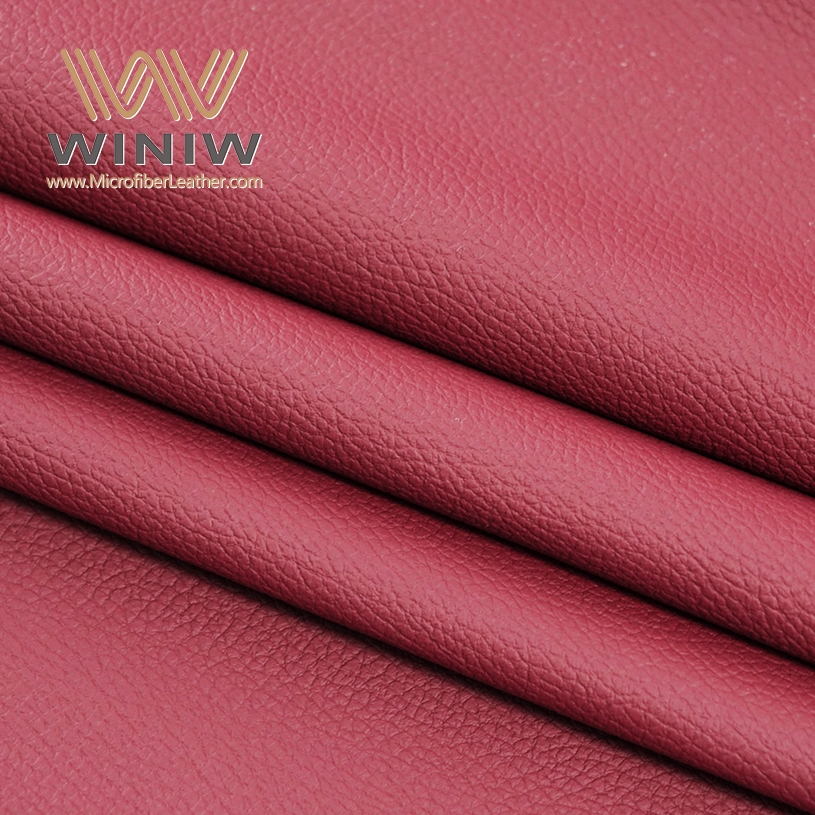
Fabrics in car interiors face constant exposure to sunlight, derdhjet, dhe papastërtitë. The ability to resist fading and stains plays a major role in maintaining a fresh look. Some fabrics offer more effective stain protection than others, which can make cleaning easier and keep the interior looking clean. Here is how different fabrics compare:
- Fabric interiors often absorb spills and odors, duke e bërë pastrimin më sfidues. Even high-quality fabrics resist wear and tear but can show stains more easily.
- Leather interiors are easier to clean because spills and dirt can usually be wiped away. Leather requires conditioning to prevent fading and cracking over time.
Stain resistant fabrics have become popular in modern vehicles. These fabrics use special coatings or treatments to block liquids and prevent stains from setting. Many manufacturers now offer stain resistant options for seats and panels, helping owners keep their car interiors looking new. Effective stain protection also reduces the risk of permanent discoloration, which can affect the value of the vehicle.
Shënim: Choosing stain resistant fabrics can save time and effort during routine cleaning.
Climate Impact
Climate has a direct impact on the longevity and performance of auto interior fabric. Extreme temperatures, lagështia, and sunlight can cause fading, plasaritje, or loss of comfort. Advanced textiles with temperature regulation properties now appear in many car interiors. Companies like Faurecia develop fabrics that use phase-change materials to absorb or release heat. These innovations help maintain a comfortable temperature inside the vehicle, even in areas with significant climate variations.
Fabrics with climate-adaptive features improve owner satisfaction and extend the life of the interior. Breathable and stain resistant materials work well in hot climates, while moisture-wicking fabrics help in humid regions. Drivers who live in areas with harsh weather should look for fabrics designed to handle temperature swings and provide effective stain protection.
Selecting the right auto interior fabric ensures durability, rehati, and a lasting appearance. Fabrics with high wear resistance, stain resistant qualities, and climate adaptability offer the best value for car interiors.
Rehati & Përvoja
Frymëmarrja
Breathability plays a vital role in vehicle comfort, especially during long drives or in warm climates. Fabrics with high breathability allow air to circulate, preventing seats from feeling damp or sticky. Linen stands out among auto interior fabric options for its superior breathability. Linen fabrics provide a cooler and fresher feel compared to leather, which often becomes uncomfortable after extended use. Many drivers notice that linen does not retain moisture, making it a preferred choice for car interiors in hot weather. Lëkurë, while stylish, tends to trap heat and moisture, reducing comfort for both drivers and passengers.
- Linen fabrics offer better breathability than leather.
- Linen remains cool and dry after prolonged use.
- For hot climates or long journeys, linen is recommended for its comfort.
Kontrolli i temperaturës
Temperature control affects how comfortable a vehicle feels in different weather conditions. Various fabrics respond differently to heat and cold. Leather absorbs heat quickly, making seats very warm in summer and chilly in winter. Cloth seats, nga ana tjetër, stay cooler on hot days and provide a more pleasant ride. Cork, used in some modern car interiors, maintains a temperature close to the human body and absorbs shock and sound. Technical textiles help regulate cabin climate, reducing the need for excessive heating or cooling. Climate control fabrics feature special coatings that enhance comfort regardless of the weather.
| Lloji i pëlhurës | Temperature Control Properties | Comfort Level in Climates |
|---|---|---|
| Cork | Maintains stable temperature, absorbs shock and sound | Pleasant ride |
| Technical Textiles | Regulates cabin climate, supports fuel savings | Stable comfort |
| Lëkurë | Absorbs heat quickly, uncomfortable in hot weather | Uncomfortable |
| Pëlhurë | Stays cooler in hot weather | Cooler on hot days |
| Climate Control Fabrics | Special coatings for temperature regulation | Comfortable year-round |
New advances in auto interior fabric technology allow manufacturers to offer fabrics with coatings that help regulate temperature. These innovations improve vehicle comfort and make car interiors more enjoyable in all seasons.
Allergen Factors
Allergen accumulation can affect the health and comfort of passengers. The type of fabric used in car interiors influences how easily allergens build up. Natural fibers, such as cotton and wool, absorb moisture and may harbor allergens if not cleaned regularly. Synthetic fibers resist moisture but can still collect dust. Leather repels allergens due to its less porous surface, but it requires regular cleaning to maintain effectiveness. Treated upholstery offers extra protection against allergens, though results vary depending on the treatment.
| Lloji i tapiceri | Allergen Accumulation Characteristics |
|---|---|
| Natural Fibers | Absorb moisture, may harbor allergens, need regular cleaning |
| Synthetic Fibers | Moisture-resistant, less allergen-friendly, can collect dust |
| Lëkurë | Repels allergens, needs regular cleaning |
| Treated Upholstery | Extra protection, effectiveness varies |
Recent studies show that some car interiors do not significantly impact asthma or allergic rhinitis. The materials used in tested vehicles did not cause notable changes in allergy symptoms, suggesting that modern auto interior fabric choices may not contribute to allergen accumulation in a way that affects respiratory health. Regular cleaning and maintenance remain important for keeping the interior comfortable and healthy for all passengers.
Këshillë: Choosing fabrics with moisture resistance and easy-clean surfaces helps reduce allergen buildup and supports vehicle comfort.
Mirëmbajtja & Kujdesi
Cleaning Needs
Proper cleaning and care help preserve the look and feel of auto interior fabric. Each type of fabric in car interiors requires a specific approach to cleaning. The table below outlines the best cleaning methods for common fabrics and offers helpful tips for effective care.
| Lloji i pëlhurës | Metoda e pastrimit | Për Tip |
|---|---|---|
| Tapiceri pëlhure | Vakum, use fabric cleaner, scrub gently, rinse, and air dry. | Use a fabric protectant spray post-cleaning. |
| Tapiceri me vinyl | Clean with a solution of Xpress Interior Cleaner and warm water, scrub, rinse, and dry. | Use a vinyl conditioner to maintain pliability. |
| Tapiceri lëkure | Use a pH-balanced leather cleaner and conditioner, apply with a microfiber cloth, and buff dry. | Condition regularly to prevent cracks. |
| Tapiceri kamoshi | Brush the surface, spot clean with suede cleaner, njollë, and air dry. | Test cleaning produkteve on an inconspicuous area. |
| Synthetic Upholstery | Vakum, apply an all-purpose cleaner, scrub lightly, and blot dry. | Avoid excessive water to prevent weakening fibers. |
Regular cleaning keeps fabrics easy to clean and extends their lifespan. Owners should always test new cleaning products on a hidden area first. Using the right cleaning method for each fabric type ensures the interior stays fresh and comfortable.
Njollë & Odor Resistance
Stain and odor resistance play a major role in the overall care of car interiors. Disa pëlhura, such as vinyl and synthetic blends, are naturally easy to clean and resist stains better than others. Leather also offers good stain resistance but needs regular conditioning to prevent damage. Cloth and suede may absorb spills quickly, so prompt cleaning is essential.
To keep fabrics easy to clean and odor-free, owners should:
- Blot spills immediately to prevent stains from setting.
- Use fabric protectant sprays to add a layer of stain resistance.
- Air out the interior regularly to reduce trapped odors.
- Choose upholstery with built-in stain and odor resistance for easier cleaning and care.
Këshillë: Quick action after a spill makes cleaning much easier and helps maintain a fresh-smelling interior.
Tips for Longevity
Long-lasting auto interior fabric depends on consistent cleaning and care. The following tips help extend the life of all fabrics and keep car interiors looking their best:
- Know What to Use: Shmangni pastruesit e ashpër kimikë and bleach to prevent damage to upholstery.
- Reduce Sunlight Exposure: Park in shaded areas and consider window tinting to protect against fading and cracking.
- Clean Up Spills and Stains: Promptly blot spills and use appropriate cleaners to maintain fabric integrity.
- Use a Leather Conditioner: Regularly condition leather upholstery with suitable products to preserve its quality.
Routine cleaning and care routines make fabrics easy to clean and help prevent permanent stains or odors. Owners who follow these steps enjoy a more comfortable and attractive interior for years.
Shënim: Consistent cleaning and care routines are the best way to keep auto interior fabric in top condition.
Stili & Trends
Ngjyra & Tekstura
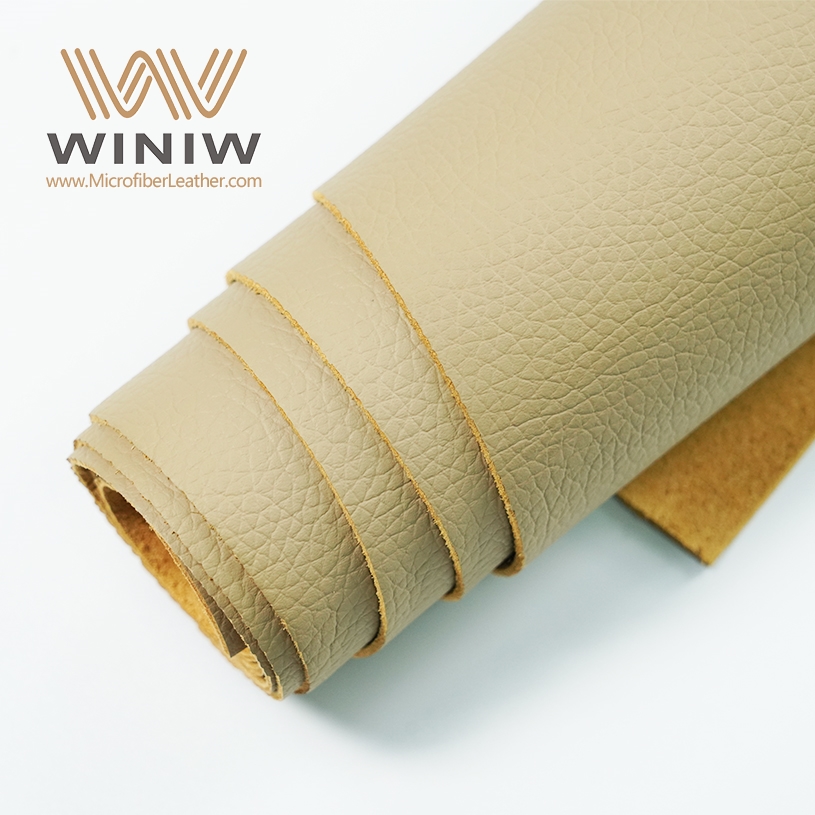
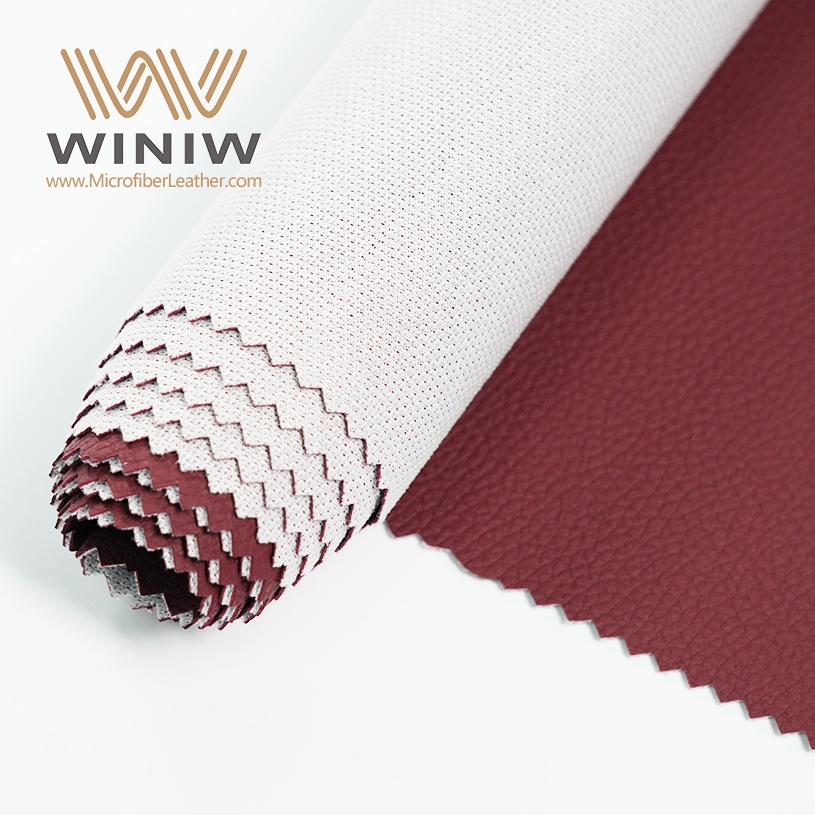
Designers in 2025 focus on colors and textures that create inviting car interiors. Warm neutrals such as beige and gray remain popular choices. Many vehicles feature bold dual-tone combinations, which add visual interest and reflect personal style. Nature-inspired hues like olive green and light blue appear in new models, offering a fresh look that connects drivers to the environment. Texture also plays a key role. Soft-touch fabrics, intricate stitching, and layered surfaces enhance the tactile experience. These details make the interior feel more luxurious and comfortable. Manufacturers emphasize sustainability by using materialet e ricikluara dhe fibrave natyrale, aligning with consumer values.
- Warm neutrals (bezhë, gri) dominate many auto interior fabric palettes.
- Dual-tone combinations and nature-inspired colors (olive green, light blue) gain popularity.
- Textures such as soft-touch surfaces and detailed stitching improve comfort and style.
- Sustainability and personalization drive many color and texture choices.
Përshtatje
Customization shapes the way consumers view car interiors. Buyers want fabrics and designs that match their tastes and lifestyles. Automakers respond by offering a wide range of options for seat covers, dashboard materials, dhe panelet e dyerve. Personalization increases satisfaction and allows owners to express individuality. The market for tailored interiors grows steadily, with a projected CAGR of 3.29% nga 2025 te 2035. Customization enhances the aesthetic appeal of vehicles and influences purchasing decisions. Studies show that both visual and tactile qualities of fabrics affect consumer preferences. People choose materials that feel pleasant and look attractive, making customization a key factor in the auto interior fabric market.
| Aspekti | Detajet |
|---|---|
| Preferenca e konsumatorit | Demand for personalized designs reflecting individual tastes and lifestyles. |
| Market Growth Projection | Expected CAGR of 3.29% nga 2025 te 2035 for tailored interiors. |
| Apeli estetik | Customization improves vehicle appearance and user satisfaction. |
Këshillë: Consumers should explore different fabric samples to find the best match for their needs and style.
Emerging Trends
Emerging trends in auto interior fabric design highlight innovation and technology. Minimalism shapes many new interiors, with clean lines and uncluttered layouts creating a spacious feel. Smart connectivity integrates advanced infotainment systems, touchscreen controls, and voice activation, making fabrics part of a connected environment. Sustainable materials, including recycled fabrics and natural fibers, reduce environmental impact while enhancing aesthetics. Ergonomic and space-efficient designs improve comfort and maximize passenger space, especially in autonomous vehicles. Personalization remains a major trend, with customers selecting color schemes and materials that reflect their style. Ndriçimi i ambientit, using LED strips, allows for customizable illumination and mood enhancement. Advanced safety features influence the layout and functionality of interiors, making them safer and more user-friendly.
| Trendi | Përshkrimi |
|---|---|
| Minimalism | Simpler designs with clean lines and less clutter. |
| Smart Connectivity | Integration of infotainment, touchscreen, and voice control. |
| Sustainable Materials | Use of recycled and natural fibers for eco-friendly cabins. |
| Ergonomike & Space-efficient | Improved comfort and more space for passengers. |
| Personalizimi | Custom options for colors and materials. |
| Ambient Lighting | LED strips for customizable illumination. |
| Advanced Safety Features | Technologies that enhance safety and influence interior layout. |
Emerging trends show that auto interior fabric choices continue to evolve. Manufacturers combine style, rehati, and technology to meet changing consumer expectations. The focus on sustainability and personalization shapes the future of car interiors, making fabrics more important than ever.
Automotive Upholstery Fabric Market & Vlera
Faktorët e Kostos
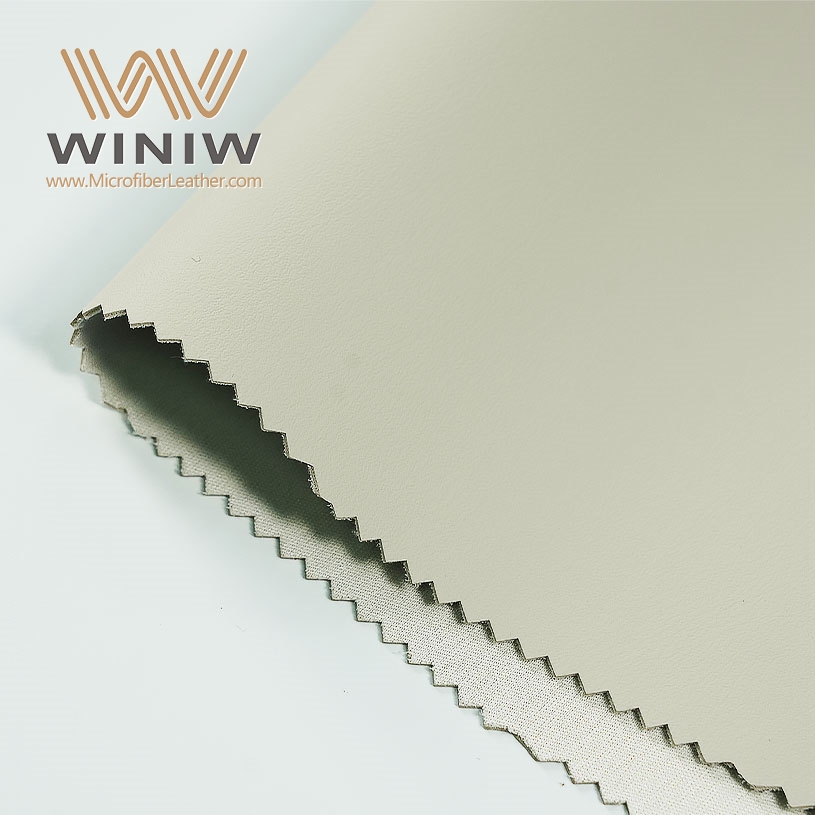
Material and design choices play a major role in the cost of automotive upholstery. Të pëlhurë tapiceri automobilistike market offers a wide range of options, each with unique price points and benefits. Vinil pëlhurë tapicerie stands out for its durability and stain resistance. Many manufacturers select vinyl for vehicles that need tough, long-lasting materials. Faux leather provides a balance between value and performance, making it a popular choice in the automotive upholstery fabric sector.
- Vinyl upholstery fabric is known for its durability and stain resistance.
- It is ideal for vehicles that require tough, long-lasting materials.
- Faux leather offers a balance of value and performance.
The following table compares common materials in the automotive upholstery fabric market:
| Materiali | Kostoja | Qëndrueshmëria | Mirëmbajtja | Design Appeal |
|---|---|---|---|---|
| Vinil | E ulët | Lartë | Lehtë | Pamje luksoze |
| Lëkurë | Lartë | Lartë | E moderuar | Premium look |
Vinyl is durable and cost-effective. It provides a luxurious appearance at a lower price than leather. Many buyers choose vinyl because it is easy to clean and maintain, making it economical for various applications. The united states automotive upholstery fabric market continues to see strong demand for both vinyl and leather due to their proven performance in car interiors.
Resale Impact
The choice of auto interior fabric can influence a vehicle’s resale value. Buyers often look for car interiors that show minimal wear and are easy to maintain. Leather and high-quality synthetic fabrics tend to retain their appearance over time, which helps preserve value. Vehicles with premium materials such as leather or Alcantara often command higher resale prices. Në të kundërt, worn or stained upholstery can lower a vehicle’s market appeal.
Fabrics that resist stains and fading help maintain a fresh look. Many dealers in the united states automotive upholstery fabric market recommend regular cleaning and care to protect the interior. A well-maintained interior signals to buyers that the vehicle has been cared for, which can lead to a quicker sale and a better price.
Këshillë: Regular maintenance of fabrics and prompt cleaning of spills can help maximize resale value.
Market Trends
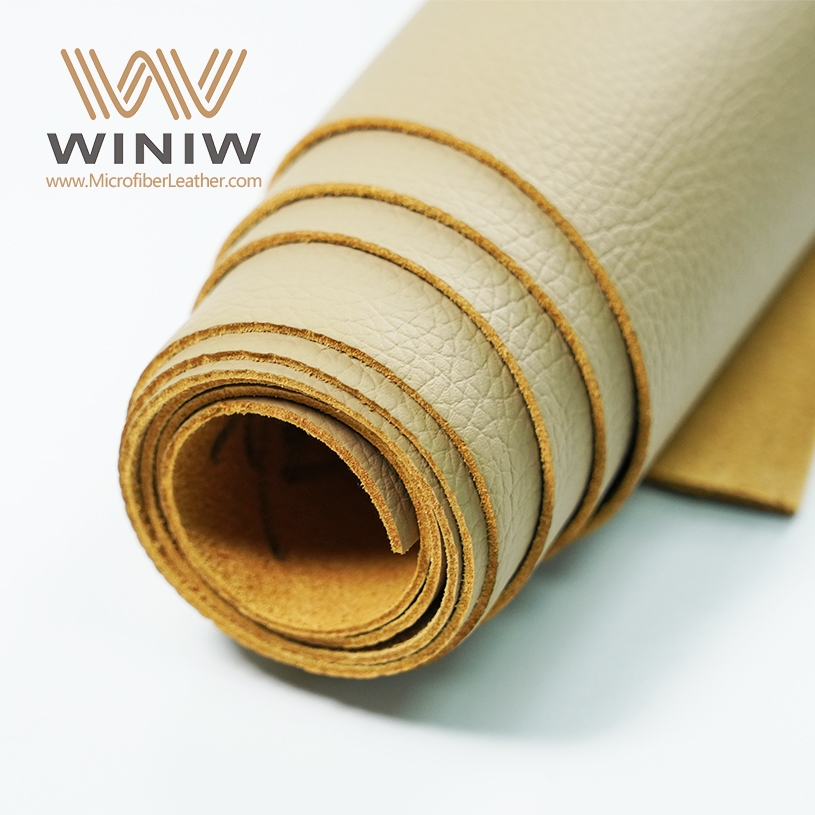
The automotive upholstery fabric market is experiencing significant growth in 2025. Consumers now prefer enhanced vehicle interiors with advanced features. Advancements in material technology have led to the development of smart fabrics that offer temperature regulation and moisture management. The united states automotive upholstery fabric market shows a clear shift toward sustainable materials. Manufacturers increasingly use eco-friendly options such as recycled fibers and natural fabrics.
- The automotive upholstery fabric market is growing due to a rising consumer preference for enhanced vehicle interiors.
- Advancements in material technology are leading to the development of smart fabrics with functionalities like temperature regulation and moisture management.
- There is a significant shift towards sustainable materials, with manufacturers increasingly opting for eco-friendly options such as recycled fibers and natural fabrics.
The united states automotive upholstery fabric market continues to evolve as new trends emerge. Many automakers now focus on sustainability, rehati, and innovative design. The demand for smart and eco-friendly fabrics is expected to rise, shaping the future of car interiors. The automotive upholstery fabric market will likely see further growth as consumers seek both style and functionality in their vehicles.
Choosing the Right Fabric
Lifestyle Needs
Përzgjedhja e best auto interior fabric starts with understanding lifestyle needs. Different drivers have unique requirements based on how they use their vehicles. Some prioritize comfort, while others focus on durability or sustainability. Consumer preferences often reflect daily routines and personal values.
- Families often look for fabrics that offer durability and are easy to clean.
- Performance vehicle owners may prefer materials that provide extra grip and comfort during spirited driving.
- Eco-conscious drivers tend to choose sustainable or vegan options for their car interiors.
People who commute long distances might value breathable fabrics that stay comfortable in all weather. Those who live in hot climates may seek materials that resist fading and heat buildup. Matching fabric choices to lifestyle ensures the interior remains practical and enjoyable.
Family & Kafshët shtëpiake
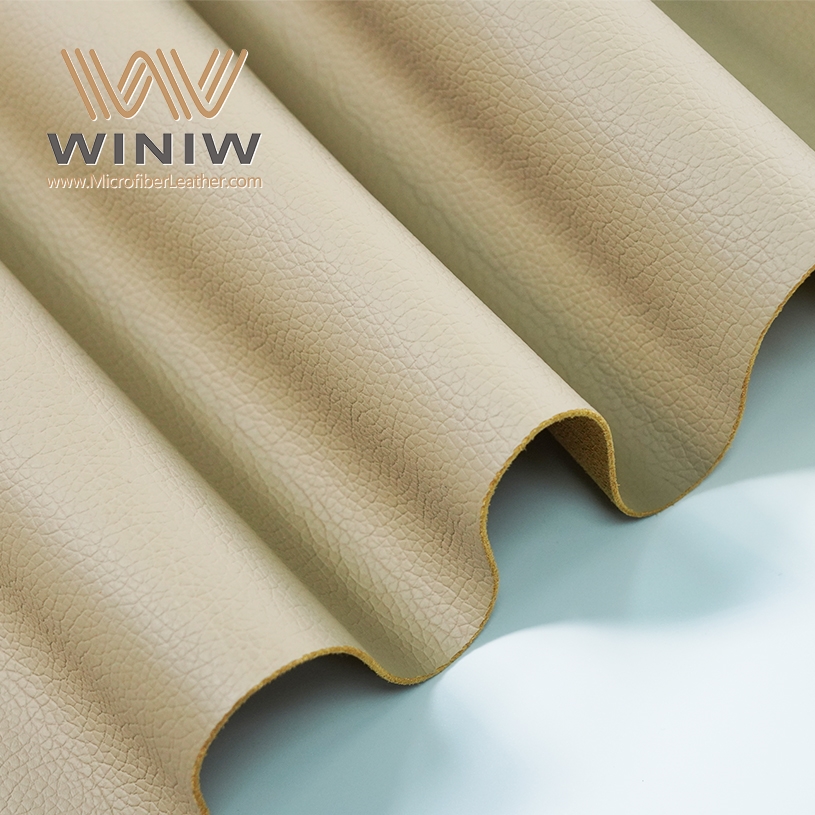
Families with children and pets need fabrics that can handle spills, njollat, and frequent cleaning. The right choice keeps the interior looking fresh and extends the life of the seats. Several fabrics stand out for their ability to meet these demands:
- Microfibre resists stains, cleans easily, ndihet i butë, and does not trap pet hair.
- Leather offers durability, does not absorb spills, wipes clean, and develops a natural patina over time.
- Performance fabrics are engineered to resist stains and moisture, making them ideal for busy families.
- Denim and canvas provide strength, resist tearing, and can be treated for stain resistance.
- Modern synthetic velvet is durable, i reziston njollave, and allows pet hair to be brushed off with ease.
Choosing these fabrics helps families maintain a clean and comfortable environment, even with active children or pets. Regular cleaning and prompt attention to spills further protect the interior.
Këshillë: Families should consider darker colors and textured surfaces to help hide minor stains and wear.
Test & Compare
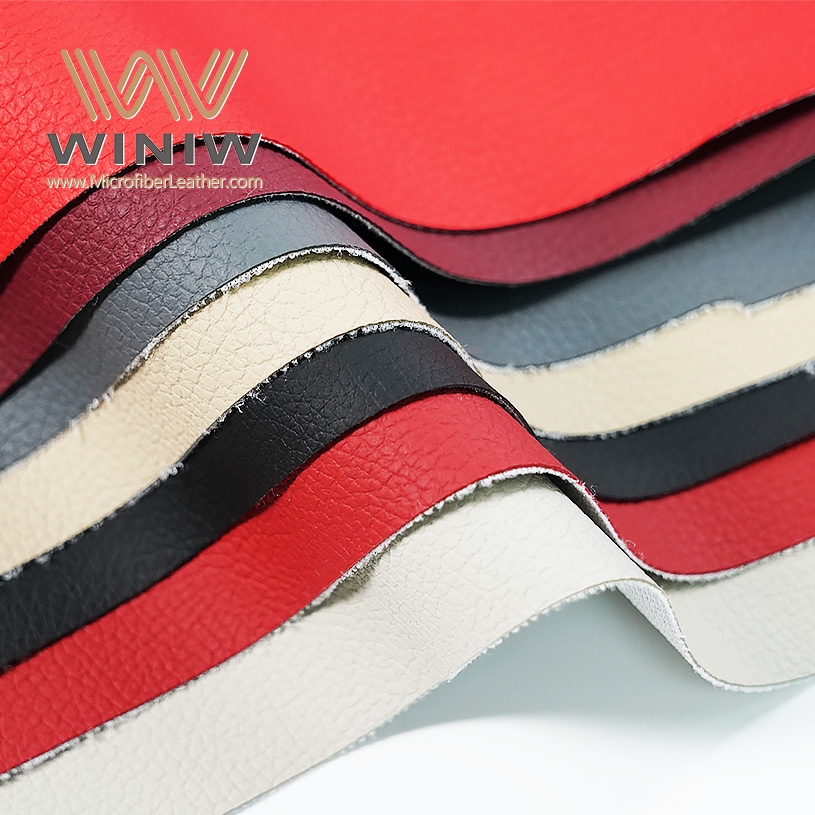
Testing and comparing fabrics before making a final decision ensures the best fit for any vehicle. Manufacturers and independent labs conduct textile testing to confirm that fabrics meet performance and safety standards. Several best practices help consumers make informed choices:
- Textile testing checks for durability, rezistencë ndaj flakës, dhe pajtueshmërinë me rregullat e sigurisë.
- Durability testing ensures the fabric withstands daily use and keeps its appearance.
- Colorfastness prevents fading from UV exposure; a minimum rating of Class 4 is recommended.
- Abrasion resistance indicates how well the fabric holds up to wear; heavy-duty fabrics should withstand at least 30,000 rubs.
- Flammability specifications, such as California Tech Bulletin 117 dhe FMVSS 302, are crucial for safety.
- Pilling tests assess fabric quality; a grade of 3-4 në 5,000 rubs is acceptable.
- Washability ensures the fabric can be cleaned without losing integrity.
- Tests like Martindale and Wyzenbeek measure wear resistance, while color fastness to light and brush pilling evaluate long-term appearance.
Consumers should visit showrooms to touch and see fabric samples. Comparing options side by side helps match preferences with practical needs. Testing and research lead to better decisions and greater satisfaction with car interiors.
Selecting the right auto interior fabric shapes comfort, qëndrueshmëri, and style in car interiors. New trends highlight eco-friendly fabrics and smart materials, making interior choices more important than ever. Experts recommend matching fabrics to individual needs by considering qëndrueshmëri, stil, dhe performancës. Drivers should:
- Choose fabrics resistant to UV rays and heat for lasting color.
- Select finishes that match personal style, such as matte or gloss.
- Opt for easy-to-clean fabrics to maintain a fresh interior.
Testing fabrics in person and consulting specialists helps buyers find the best fit for their budget and lifestyle.
FAQ
What is the most durable auto interior fabric?
Leather and high-quality vinyl offer the best durability. These materials resist wear, njollat, dhe venitje. Many manufacturers use them in vehicles that require long-lasting interiors.
How can drivers keep auto fabrics clean?
Regular vacuuming and prompt cleaning of spills help maintain fabric condition. Using fabric protectant sprays adds extra stain resistance. Always follow the manufacturer’s care instructions for best results.
Are eco-friendly fabrics as comfortable as traditional options?
Eco-friendly fabrics, such as recycled polyester or bamboo blends, provide comfort similar to traditional materials. Many drivers find these fabrics soft, frymëmarrjes, and pleasant for daily use.
Which fabric works best for families with pets?
Microfiber and vinyl work well for families with pets. Këto pëlhura i rezistojnë njollave, repel pet hair, and clean easily. Leather also offers good protection but may scratch from claws.
Do smart fabrics really improve comfort?
Smart fabrics regulate temperature and wick away moisture. These features help keep seats cool in summer and warm in winter. Many drivers notice improved comfort during long trips.
Can fabric choice affect a car’s resale value?
po, fabric choice can impact resale value. Well-maintained leather or premium synthetic fabrics often increase a vehicle’s appeal. Stained or worn upholstery may lower the price.
What is the easiest fabric to maintain?
Vinyl stands out as the easiest to maintain. I reziston njollave, wipes clean with minimal effort, and does not absorb odors. Many commercial vehicles use vinyl for this reason.