Pros and Cons of Synthetic Leather Car Interiors
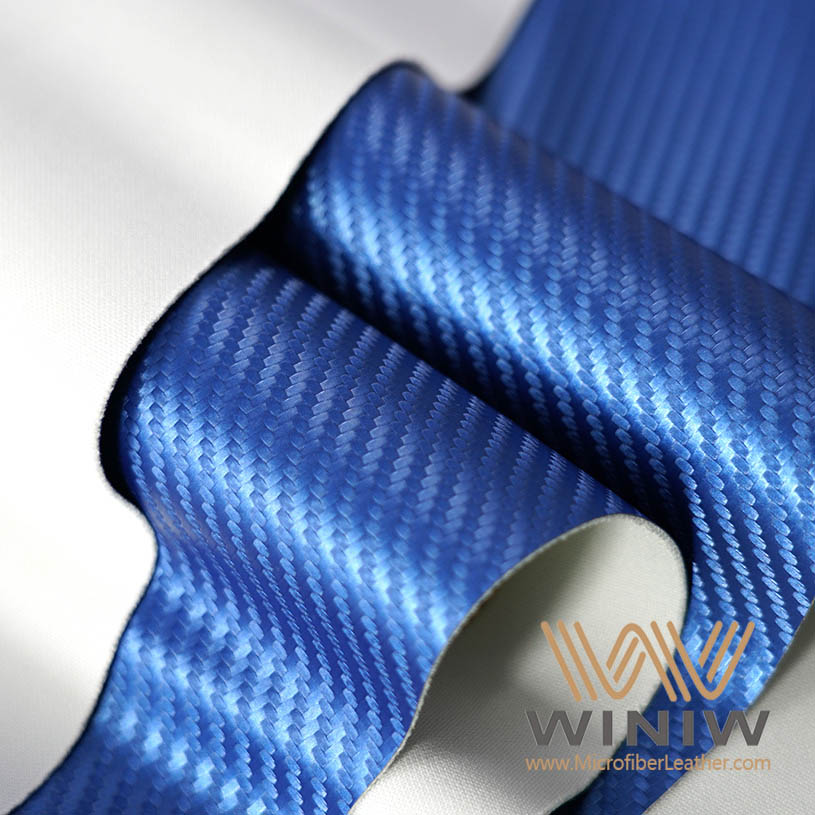
When you consider a Synthetic Leather Car interior, you face a mix of benefits and drawbacks. You enjoy easier cleaning and lower cost, but you may notice less luxury and possible durability issues. Understanding the pros and cons helps you make a smart choice for your driving needs.
Pros and Cons of Synthetic Leather Car Interiors
- Synthetic leather car interiors are cost-effective, allowing you to upgrade your vehicle without overspending.
- Maintenance is easy with synthetic leather; regular wiping keeps your seats looking fresh without special cleaners.
- Consider the environmental impact of synthetic leather; look for plant-based or recycled options to reduce plastic pollution.
Pros and Cons of Synthetic Leather Car Interiors
When you look at leatherette options for your car, you find a mix of benefits and drawbacks. Many drivers choose synthetic leather car interiors because they offer a practical alternative to genuine leather. You might like the affordable price and the wide range of colors and patterns. Leatherette also resists wear and fading better than some other materials. However, you should consider the cons before making a decision. Some people feel that synthetic leather lacks the authentic look and feel of real leather. You may notice environmental concerns and lower durability compared to genuine leather.
Here is a quick overview of the main advantages and disadvantages of leatherette interiors:
| Advantages | Disadvantages |
|---|---|
| Affordable Price | Lack Of Authenticity |
| Wide Range Of Colors And Patterns | Environmental Concerns |
| Durable And Wear-Resistant | Lower Durability Compared To Real Leather |
Pros of Synthetic Leather Car Interiors
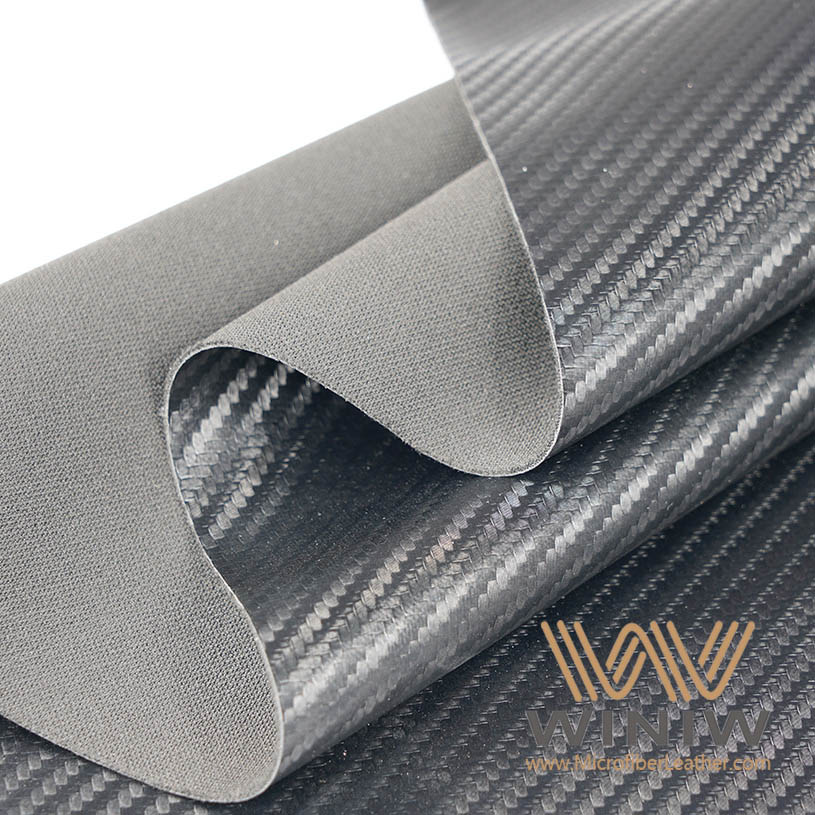
You get several advantages with leatherette. The cost stays low, and you can pick from many styles. Cleaning and maintaining synthetic leather is easy, which saves you time. The material resists scratches and fading, so your car interior looks fresh longer.
Cons of Synthetic Leather Car Interiors
You should weigh the cons before you decide. Leatherette does not match the luxury feel of genuine leather. Over time, you might see peeling or cracking. Some synthetic leather car interiors hold odors and stains. Environmental impact also raises concerns for many buyers.
Pros of Synthetic Leather Car Interiors
Cost-Effective Option
You often look for cost-effective options when choosing leatherette for your vehicle. Synthetic leather car interiors offer significant savings compared to genuine leather. The price difference stands out, especially if you want style without overspending. Take a look at the comparison below:
| Material Type | Price Range (per row) |
|---|---|
| Genuine Leather (Economy) | $200 – $400 |
| Genuine Leather (Premium) | $400 – $800 |
| Genuine Leather (Custom) | $600 – $1,200 |
| Faux Leather (Budget) | $100 – $300 |
| Faux Leather (Premium) | $200 – $500 |
| Faux Leather (Custom) | $300 – $800 |
You see that leatherette gives you a stylish look at a lower price. This cost-effectiveness makes it easier to upgrade your car’s interior without breaking your budget. Many drivers choose synthetic materials for their affordability and wide range of design choices.
Easy Maintenance
You want car seats that stay clean with minimal effort. Leatherette makes maintenance simple. You do not need special cleaners or conditioners for synthetic leather. Regular wiping keeps your seats looking fresh. Here are some easy cleaning tips:
- Use a damp cloth for daily cleaning.
- Apply EPIC®️ Leather Coat Interior Protective Creme to protect against stains and UV damage.
- Dab a small amount of alcohol on a cotton swab for tough stains, then wipe with a damp cloth.
- Use anti-static sprays to reduce dust.
- Apply UV protectants to shield seats from sunlight.
- Avoid using too much cleaner to prevent sticky residue.
- Pay attention to seams and creases where dirt can build up.
You save time and money because leatherette does not require the same level of care as genuine leather car seats. Synthetic leather car interiors resist grime and stains, making them ideal for busy lifestyles.
Fade and Scratch Resistance
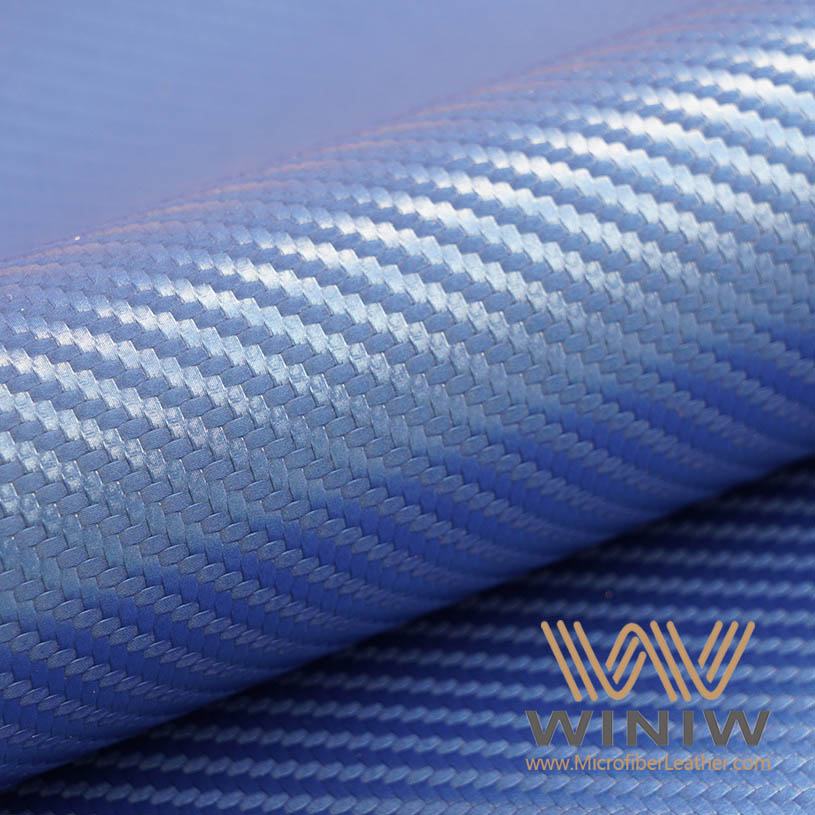
You want your car interior to look new for years. Leatherette stands out for its fade and scratch resistance. The polyurethane coating on synthetic leather protects against moisture, scratches, and stains better than genuine leather. You benefit from a durable and wear-resistant surface that handles daily use. Synthetic leather is flexible and weather-resistant, so it does not crack easily. With regular maintenance, you can expect your seats to last for many years.
Tip: Apply UV protectants and regularly wipe down your seats to maximize their lifespan.
Laboratory tests show that synthetic leather performs well in physical performance testing, including tensile strength and tear resistance. Colorfastness tests also reveal strong resistance to rubbing, water stains, and sunlight. You get peace of mind knowing your interior will stay attractive even in high-traffic areas.
Animal-Friendly Choice
You may care about ethical choices when selecting car interiors. Leatherette offers an animal-friendly alternative to traditional leather. Animal welfare organizations highlight the cruelty involved in leather production, including inhumane treatment and slaughter methods. By choosing synthetic leather, you help reduce the demand for animal skins and support more humane practices.
- Vegan leatherette reduces animal suffering.
- Many groups advocate for replacing leather with vegan alternatives in cars.
- You make a positive impact by choosing synthetic materials for your vehicle.
You enjoy the comfort and style of leather car seats without ethical concerns. This advantage appeals to drivers who value animal welfare and want to make responsible choices.
Cons of Synthetic Leather Car Interiors
Lacks Luxury Feel
You may notice that leatherette does not match the luxury feel of genuine leather car seats. Automotive reviewers often highlight the tactile differences between synthetic leather and real leather. The sense of luxury stands out as the most significant variable, with a path coefficient of 0.652, while softness ranks lower at 0.305.
| Tactile Variables | Path Coefficient |
|---|---|
| Luxury | 0.652 |
| Softness | 0.305 |
You might find that leatherette feels less plush and less refined. The surface can seem more uniform and less natural. If you value a premium driving experience, this is one of the main cons to consider. Many drivers who seek a high-end look and feel prefer genuine leather, even though synthetic leather car interiors offer practical benefits.
Prone to Peeling
You should know that leatherette can be prone to peeling over time. Material scientists point out several factors that contribute to this issue:
- Poor quality materials can lead to weak adhesion and eventual peeling.
- Improper manufacturing processes, such as incorrect coating application, can result in weak bonding.
- Harsh environmental conditions, including extreme temperatures and UV exposure, can deteriorate the material.
- Abrasion and friction from constant use can wear down the synthetic leather, causing it to peel.
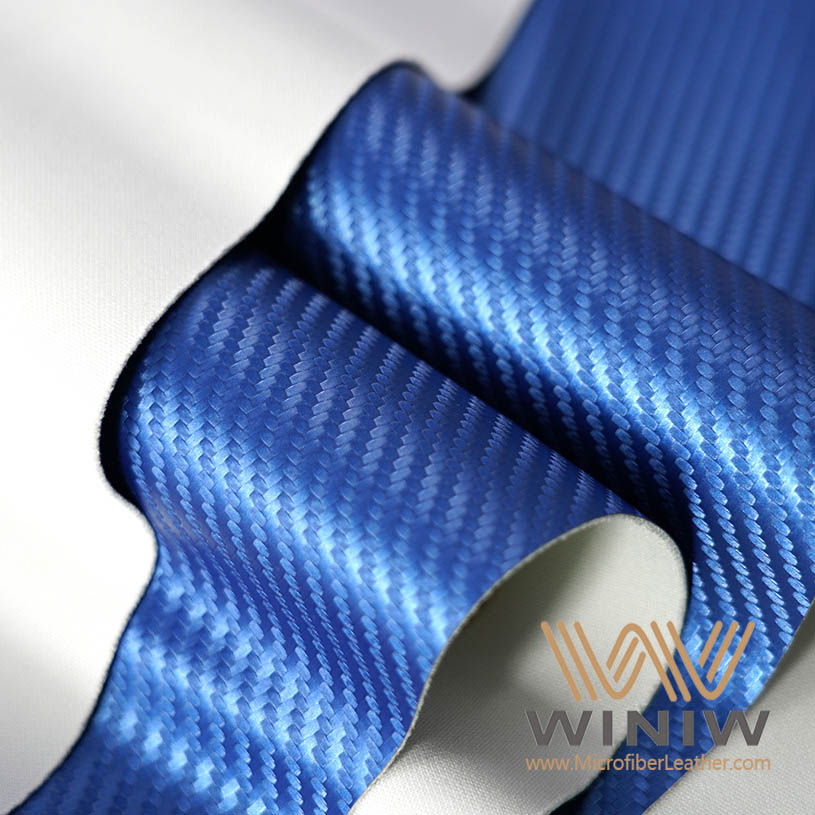
If you use your car frequently or park in direct sunlight, you may see the surface start to crack or peel. This affects the durability and appearance of your interior. The disadvantages of leather seats made from synthetic materials become clear when you compare them to genuine leather, which tends to last longer with proper care.
Odor and Stain Retention
You may find that leatherette resists some odors better than natural leather, but it is not immune to odor and stain retention. Leather, as a natural material, contains microscopic pores that absorb moisture, oils, and scents from the environment.
Leather is a natural material known for its durability and elegance, but its porous nature can make it prone to retaining odors. Unlike synthetic materials, leather is made from animal hide, which contains microscopic pores. These pores can absorb moisture, oils, and scents from the environment, trapping odors deep within the material.
Synthetic leather car interiors may trap odors from food, pets, or smoke, especially if spills are not cleaned quickly. Stains can also pose a challenge. Some types of stains are especially difficult to remove from leatherette:
| Stain Type | Typical Sources | Removal Difficulty |
|---|---|---|
| Protein-based | Blood, sweat, milk, pet urine | Medium to high once set |
| Oily or greasy | Makeup, fast food, body oils, motor oil | High due to adhesive residue |
| Dye or pigment | Coffee, wine, ink, colored drinks | High as dyes may bleed |
You may need special cleaners for tough stains, and some marks may never fully disappear. This is one of the disadvantages you should consider if you want a low-maintenance interior.
Environmental Concerns
You might want to think about environmental concerns when choosing leatherette. The production of synthetic leather uses non-biodegradable materials that contribute to plastic pollution. While real leather can be more environmentally friendly if sourced responsibly, it can also cause deforestation and greenhouse gas emissions. Synthetic leather avoids animal use, but it does not break down naturally.
The automotive industry is working to improve sustainability. The use of recycled plastics in car interiors has increased, and synthetic leather is part of this trend. Manufacturers now focus on recycled materials to reduce environmental impact. Technological advancements have made recycled plastics more competitive, and rigorous testing ensures quality and performance. You see a shift toward higher recycling rates, but environmental concerns remain a key issue for many buyers.
If you care about sustainability, you may want to look for plant-based vegan leather or recycled synthetic leather options. These alternatives help address some of the disadvantages of leather seats made from traditional synthetic materials.
Leather vs Cloth: Choosing the Right Car Interior
Comfort and Appearance
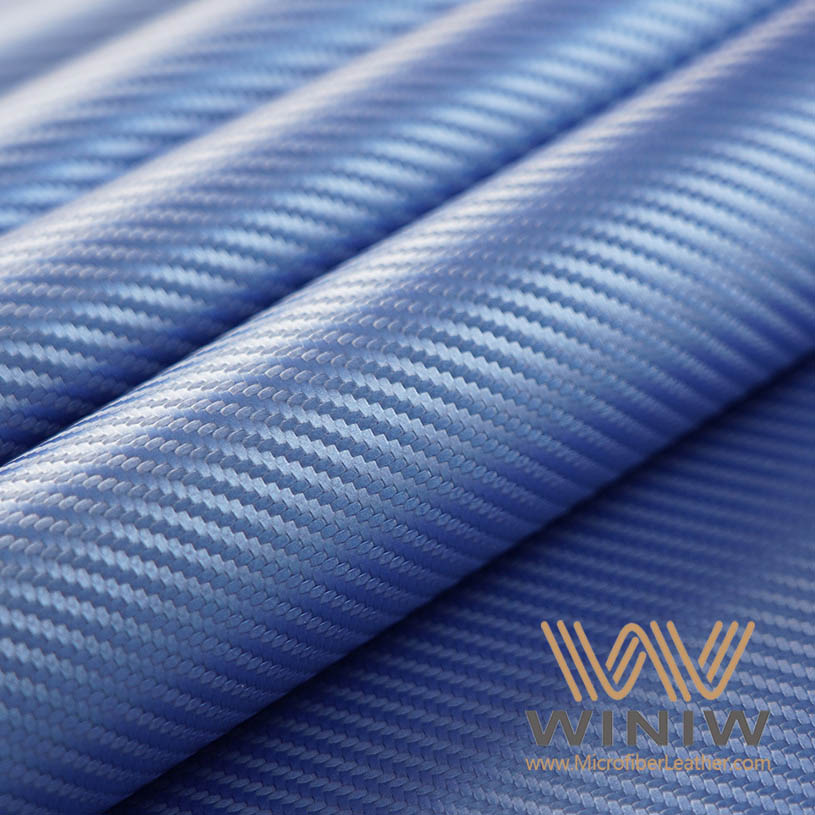
You want your car interior to feel inviting and look stylish. Leather car seats often provide a premium look and a soft touch. Synthetic leather gives you a similar appearance, but some drivers notice it feels less luxurious. Cloth seats offer a warmer feel in cold weather and stay cooler in summer. When you compare leather vs cloth, you see that leather tends to impress with its upscale look, while cloth appeals with its cozy texture. Comfort depends on your climate and personal preference.
Maintenance Needs
You need to think about how much time and effort you want to spend on upkeep. Synthetic leather requires periodic conditioning to prevent drying and cracking. Quick spill removal is important to avoid stains. Cloth seats need regular vacuuming and spot cleaning. Occasional shampooing helps keep them fresh. The table below shows the differences in maintenance routines and complexity:
| Material | Maintenance Routine | Complexity Level |
|---|---|---|
| Synthetic Leather | Requires periodic conditioning with specialized agents. Quick removal of spills. | More expensive and time-sensitive |
| Cloth | Regular vacuuming, spot cleaning, and periodic shampooing. | Generally less expensive and easier to manage |
Tip: Synthetic leather needs more attention, while cloth interiors are easier to maintain.
Cost Comparison
You want to balance style and budget. Over five years, maintenance costs vary by material. Synthetic leather is less expensive to maintain than genuine leather, but cloth seats cost a bit more due to cleaning needs. The table below compares maintenance costs:
| Material | Maintenance Cost |
|---|---|
| PU Leather | Low (wiping) |
| Cloth | Medium (cleaning) |
| Leather | High (conditioning) |
Vehicles with leather upholstery often have higher resale values. The condition of the seats matters most. Synthetic leather does not boost resale value as much as genuine leather, but it offers a good balance between cost and appearance. When you weigh leather vs cloth, consider your lifestyle, budget, and how much time you want to spend on maintenance.
Factors to Consider for Synthetic Leather Car Buyers
Usage and Lifestyle
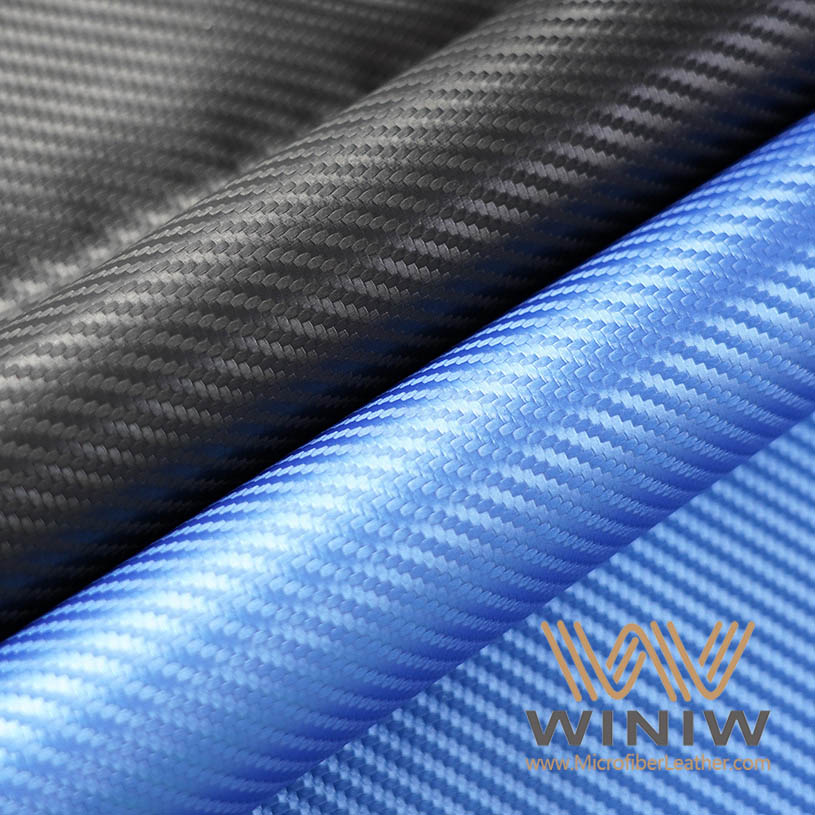
You should think about your daily habits before choosing synthetic leather car interiors. If you drive often or have kids and pets, you need seats that resist stains and wear. Synthetic leather is designed to handle frequent use and is easy to clean, which helps with maintenance. Many buyers pick synthetic options because they want to avoid animal products. Some people prefer vegan leather for ethical reasons, while others choose real leather to avoid petroleum-based materials. Synthetic leather, made from polyurethane or PVC, can raise environmental concerns due to fossil fuel use and CO2 emissions.
- Synthetic leather resists fading, staining, and cracking.
- Easy-to-clean surfaces help keep your car looking new.
- Vegan leather appeals to buyers who care about animal welfare.
Climate and Comfort
You need to consider your local climate when selecting car interiors. High temperatures can cause synthetic leather to dry out and crack. Cold weather may make the material stiff, which increases the risk of cracks. Humidity can lead to moisture buildup, sometimes causing mold and mildew. These factors affect both comfort and the lifespan of your seats. If you live in a region with extreme weather, you should pay extra attention to how synthetic leather performs.
Tip: Park in shaded areas and use seat covers to protect your interior from harsh weather.
Long-Term Value
You want your investment to last. The market for synthetic leather is growing quickly, driven by sustainability and customization trends. Manufacturers are improving materials to meet consumer demand for eco-friendly choices. Synthetic leather offers good value because it is durable and looks stylish. Automakers focus on enhancing vehicle aesthetics and comfort, making synthetic leather a popular choice. The market is expected to expand, showing strong preference for synthetic options over traditional leather.
| Material Type | Market Growth (CAGR) | Projected Value (2033) |
|---|---|---|
| Synthetic Leather | 10.85% | $21.82 billion |
| Genuine Leather | 4.46% | $43.84 billion |
You benefit from advancements in material technology and a shift toward sustainable alternatives. Synthetic leather interiors can help maintain your car’s resale value if you keep them in good condition.
You see that synthetic leather car interiors offer affordability, easy care, and animal-friendly choices. You also face drawbacks like peeling, odor retention, and less luxury.
Tip: List your priorities before choosing.
- Consider your budget
- Think about comfort
- Weigh durability and style

FAQ
Is synthetic leather waterproof?
Synthetic leather resists water well. You can wipe spills easily. However, standing water may cause damage over time.
How do you clean synthetic leather car seats?
Use a damp cloth for daily cleaning. For tough stains, apply a small amount of alcohol, then wipe with a clean cloth.
Does synthetic leather get hot in summer?
Synthetic leather absorbs heat quickly. You may feel discomfort during hot weather. Use seat covers or park in shaded areas for better comfort.