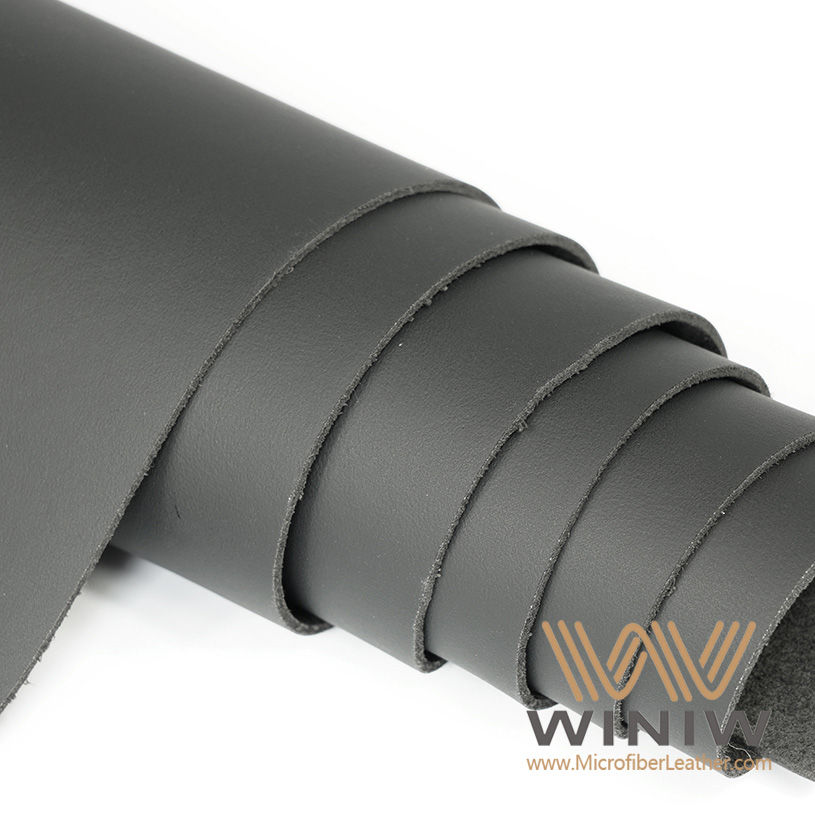
You want the best car leather cloth for cleaning and drying. Microfiber stands out because it absorbs well, feels soft, and helps you avoid scratches on your leather. Always match your cloth choice to your car’s needs for the safest and most effective results.
Tips for Picking the Best Car Leather Cloth for Cleaning and Drying
- Choose microfiber cloths for cleaning leather car interiors. They absorb well, protect surfaces, and reduce scratches.
- Inspect your cleaning cloth before use. A clean cloth prevents dirt transfer and keeps your leather looking new.
- Follow a regular maintenance routine. Vacuum, clean with pH-balanced products, and condition leather to extend its life.
Key Features of a Car Leather Cloth
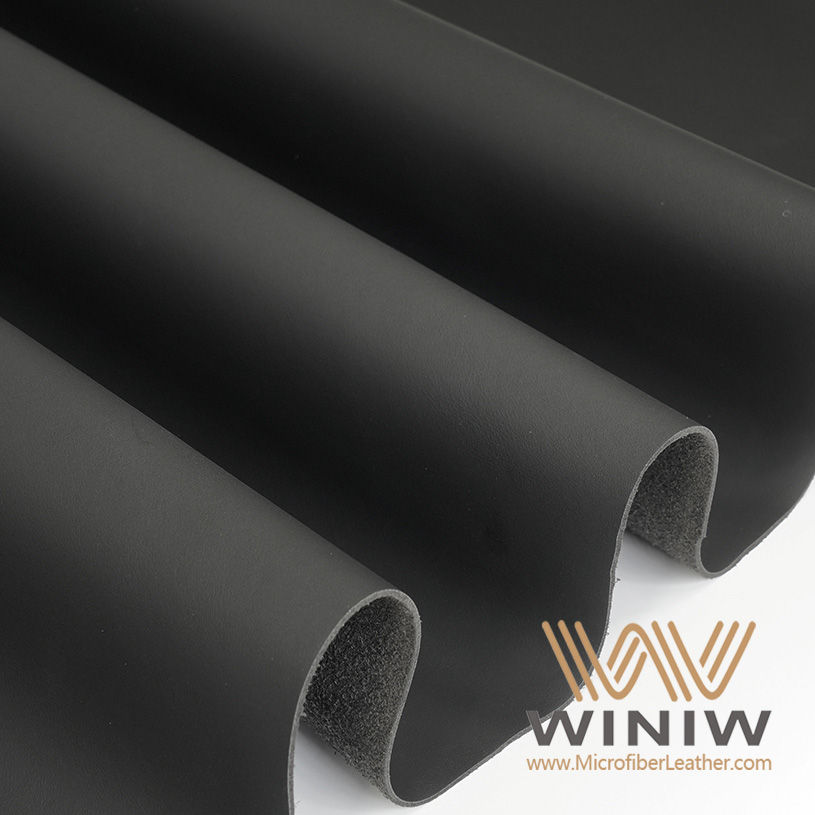
Image Source: pexels
Material and Absorbency
When you select a car leather cloth, you should focus on the material and its absorbency. The material impacts how well the cloth cleans and dries your leather car interior. Most high-quality car leather cloths use materials like full-grain leather, corrected-grain leather, or vegan leather (vinyl). Each material offers unique benefits for cleaning and detailing.
- Full-grain leather requires special cleaning methods.
- Corrected-grain leather provides durability and resists wear.
- Vegan leather (vinyl) is common in modern cars and easy to maintain.
Premium leather cleaners use pH-balanced formulas. These formulas clean without harming the leather and restore flexibility. You want a cloth that works well with these cleaners.
Absorbency matters when you clean and dry your car. Microfiber towels and synthetic chamois both absorb liquids efficiently. Microfiber cloth and towel use fine capillary action to lift moisture and dirt. Synthetic chamois can absorb up to eight times its weight. The table below compares absorbency:
| Feature | Synthetic Chamois | Microfiber |
|---|---|---|
| Absorbency | Exceptional (up to 8x weight) | Very high (fine capillary action) |
You achieve better cleaning results when you use a cloth with high absorbency. This helps you remove spills and dirt quickly during detailing.
Softness and Surface Safety
Softness protects your leather car interior from scratches. You need a cloth that traps dirt and cushions the surface. Microfiber towels excel at this task. They trap particles and prevent them from scratching the leather.
Chamois cloths can cause fine scratches. They do not trap dirt well. Dirt left on the surface drags across the leather, leading to micro-abrasions. Chamois lacks cushioned protection, so you risk damaging your car leather cloth during cleaning.
- Microfiber towels trap dirt and protect surfaces.
- Chamois cloths increase the risk of scratches.
- Dirt particles cause micro-abrasions if not removed.
You maintain the quality of your leather by choosing a soft, safe cloth. This reduces the risk of damage during detailing.
Tip: Always inspect your cloth for dirt before cleaning. A clean cloth prevents scratches and keeps your leather looking new.
Durability and Maintenance
Durability ensures your car leather cloth lasts through many cleaning sessions. You want a cloth that withstands frequent use and washing. Maintenance routines help you maximize the life of your cloth and keep your leather car interior in top condition.
Follow these steps for proper maintenance:
- Perform a monthly vacuum and wipe-down to keep leather clean.
- Use a commercial leather cleaning and conditioning product every three months to a year, depending on usage.
- Test any cleaner on a small area before full application.
- Clean in small sections to avoid soaking the leather.
- Use gentle circular motions to apply the cleaner, avoiding aggressive scrubbing.
- Wipe away the cleaner with a clean, dry microfiber cloth and allow the leather to dry completely.
You should also deep clean the interior every few months using an upholstery kit. Vacuum the leather seats to remove dirt and debris. Clean with a microfiber cloth and leather cleaner or a gentle soap solution. Use a soft-bristled brush for stubborn stains. Condition the leather after deep cleaning to prevent cracking.
- Vacuum the leather seat to remove crumbs and dirt.
- Clean the seat with leather cleaner using a microfiber cloth.
- For stubborn stains, use a soft-bristled brush.
- Wipe the seat clean and ensure it is completely dry.
- Condition the leather after each deep cleaning.
You preserve the quality of your car leather cloth and maintain the appearance of your leather car interior by following these routines. Proper care extends the life of your cloth and keeps your car looking its best.
Comparing Cloth Types for Leather Car Interior
Microfiber Cloths for Clean Leather Car Seats
You want a cloth that delivers both safety and efficiency when cleaning your leather car interior. Microfiber cloths stand out as the top choice for most car owners and detailers. These cloths have a gentle texture that protects your seats from scratches. The high fiber density, ranging from 80,000 to 140,000 fibers per square inch, allows microfiber to lift and trap dirt instead of dragging it across the surface. This feature reduces the risk of micro-abrasions and keeps your seats looking new.
Microfiber also excels in absorbency. You can soak up spills and cleaning solutions quickly, which helps you finish your detailing tasks faster. Professional detailers report that microfiber towels dry surfaces 22% faster than synthetic chamois. This speed matters when you want to clean and dry your car efficiently.
Microfiber cloths offer several advantages for cleaning:
- Gentle on leather, preventing scratches and damage.
- High absorbency for quick drying.
- Effective at lifting dirt and residue.
- Electrostatic properties attract dust, reducing the need for extra cleaning products.
- Safe for use with or without a leather cleaner.
Studies show that microfiber can reduce bacteria by 99%, while other materials only reduce it by 33%. Experts like Zach Pozniak recommend microfiber for buffing and cleaning leather because it is less abrasive than other options. You can use microfiber on your seats with confidence, knowing it will protect your investment.
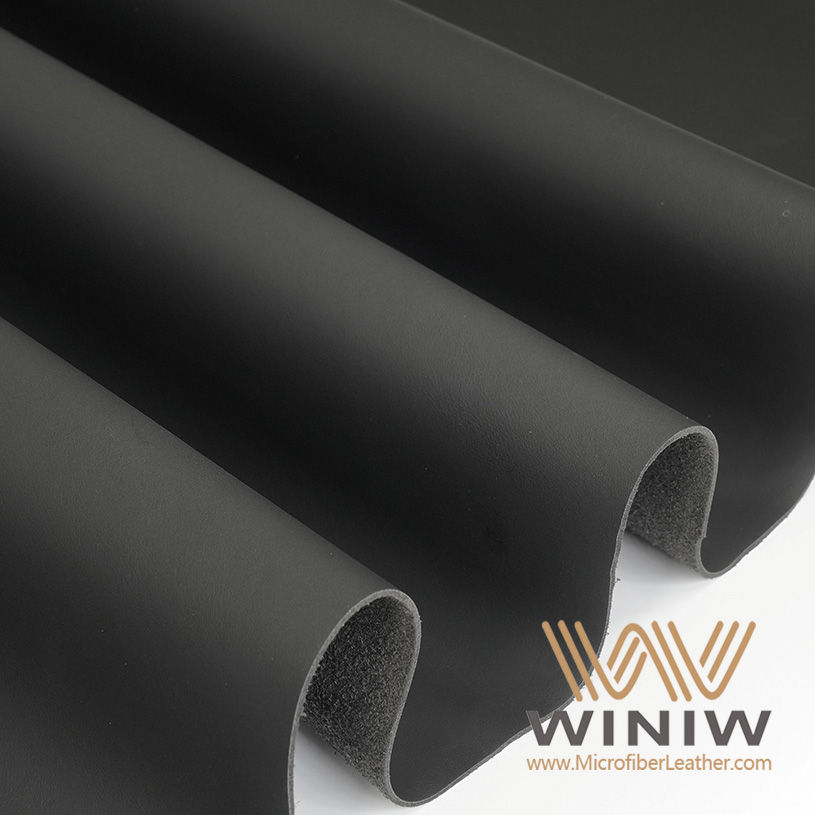
| Factor | Microfiber | Synthetic Chamois |
|---|---|---|
| Fiber density | 80,000-140,000/sq inch | 500-800/sq inch |
| Contact pressure | Low (0.2 PSI) | High (1.8 PSI) |
| Contaminant trap | Lifts and contains | Drags across surface |
Tip: Always use a clean microfiber cloth for each detailing session. This practice prevents scratches and maintains the quality of your leather car cloth.
Best Chamois: Pros and Cons
Many car owners consider the best chamois for drying and cleaning. Chamois, especially natural leather chamois, has a long history in car care. It offers unmatched water-holding capacity and dries cars faster than regular towels. When used properly, chamois reduces water spots and feels gentle on wax or ceramic coatings.
However, chamois comes with some drawbacks. It requires regular cleaning and oiling to stay soft and effective. Poor storage can lead to rot or stiffness, especially for natural types. Low-quality versions may shed fibers or leave lint on your seats. Chamois also carries a higher risk of scratching leather. It does not trap dirt well, so grit and sand can drag across the surface and cause damage. In controlled trials, chamois caused 2.1 scratches per foot, while microfiber caused only 0.3 scratches.
Here is a quick comparison of the advantages and disadvantages:
| Advantages | Disadvantages |
|---|---|
| Dries cars faster than towels | Requires regular cleaning and oiling (Natural) |
| Reduces water spots when used properly | Poor storage leads to rot or stiffness |
| Gentle on wax and ceramic coatings | Low-quality versions shed fibers or leave lint |
| Reusable and eco-friendly compared to paper | Not suitable for glass or plastics without checks |
| Fewer micro-scratches than cotton rags | Initial cost higher than basic towels |
| Unmatched water-holding capacity (Natural) | Can harbor bacteria or odors if left damp (Natural) |
| Extremely soft against clear coat (Natural) | May degrade faster with sun exposure (Synthetic) |
| Easier to clean and store (Synthetic) | Surface texture less consistent (Synthetic) |
| Less prone to odor or mildew (Synthetic) | Lower absorbency per thickness (Synthetic) |
| Inexpensive replacement option (Synthetic) |
You should remember that chamois can scratch your seats if it picks up dirt. Always rinse and inspect your chamois before each use. This habit helps you protect the quality of your leather car cloth and your seats.
Synthetic Options
Synthetic cloths offer a modern alternative for cleaning and drying your leather car interior. Manufacturers design these cloths to mimic natural chamois without using animal hide. Most synthetic options use polymer blends like polyvinyl alcohol (PVA) or viscose-rubber composites. These materials resist mildew and do not require oiling, making them easier to maintain.
Synthetic leather cloths provide effective water removal and are mildew resistant. They are also easier to clean and store than natural chamois. You can use synthetic cloths as a drying towel after washing your seats. They perform well in both cleaning and drying tasks, though their absorbency per thickness may be lower than natural chamois.
| Material Type | Performance Features |
|---|---|
| Microfiber | Exceptional absorbency, rapid water absorption, safe for surfaces, durable nonwoven construction. |
| Synthetic Chamois Leather | Highly absorbent, quick-drying properties, ideal for wiping and drying vehicles. |
| Synthetic Leather Cloth | Engineered to mimic natural chamois, made from polymer blends, effective in water removal, mildew resistant. |
Microfiber towels remain the most cost-effective and gentle option for cleaning and drying your seats. Synthetic cloths provide a good balance of performance and maintenance, while chamois offers high absorbency but requires more care. You should choose the car leather cloth that matches your cleaning habits and the quality you expect for your leather car interior.
Tips for Using and Caring for Leather Cleaner and Cloths
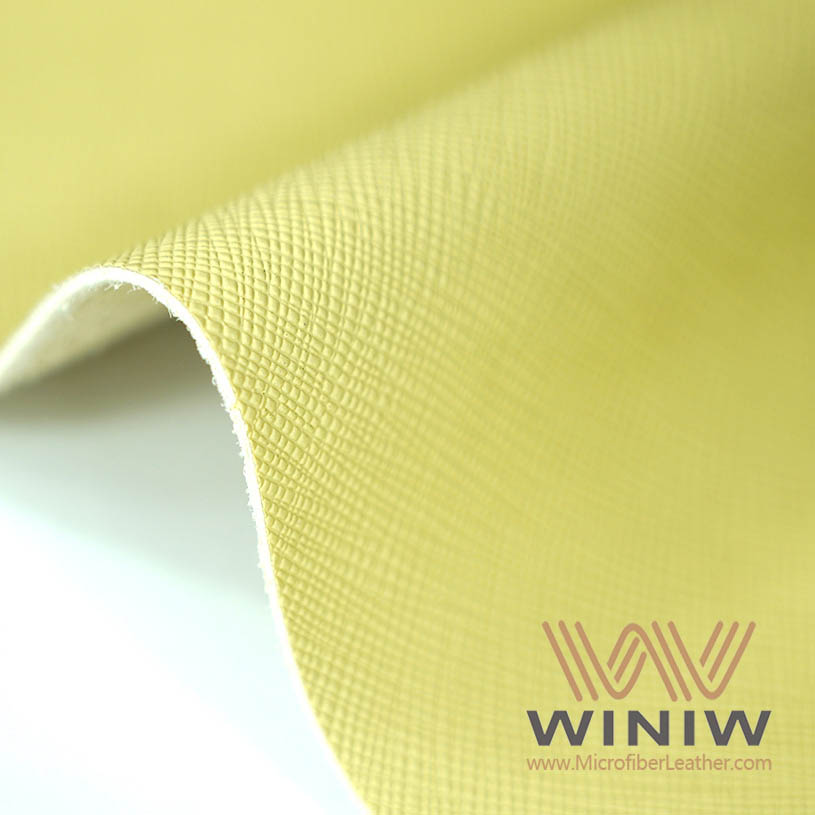
How to Clean Leather Car Seats Safely
You want to clean leather car seats without causing damage. Start by vacuuming the seats with a soft brush attachment to remove dirt and grime. This step prevents scratches during the cleaning process. Always use high-quality cleaning products designed for leather. Avoid alcohol-based solutions, bleach, or ammonia-based cleaners, as these can strip natural oils and harm the seats. Test your leather cleaner on a hidden spot before full application. Gently wipe stains with a microfiber cloth, never scrubbing hard. This method lifts grime and protects the quality of your seats.
Proper Use of Leather Cleaner
Choose a pH-balanced leather cleaner for the best results. Spray the cleaner onto a microfiber cloth, not directly on the seats. Work the cleaner into the leather using small, circular motions. Focus on stains and grime, but avoid soaking the seats. After cleaning, apply a leather conditioner with a clean cloth. Let the conditioner absorb for 10–20 minutes, then buff the seats with a drying towel. This routine keeps your seats hydrated and prevents greasy finishes. Regular care with the right products ensures professional-quality results and long-term protection.
Washing and Storing Your Car Leather Cloth
Proper maintenance of your cleaning cloths is essential for maintaining leather car seats. Wash microfiber towels and drying towels separately from other laundry to avoid lint and residue. Use mild detergent and skip fabric softeners, which can reduce absorbency. Air dry your cloths to preserve their quality. Replace cloths if they lose absorbency, develop odors, or show signs of wear. Store your cloths in a clean, dry place to prevent mildew and grime buildup. Consistent care of your cleaning tools supports effective detailing and extends the life of your leather seats.
Real-World Advice and Common Mistakes
User Experiences with Car Leather Cloths
You can learn a lot from other car owners who focus on maintaining leather car seats. Many users praise thick, saturated wipes for quick cleanups after road trips. These wipes leave seats looking fresh and free from greasy residue. Some users mention the pleasant leather scent as a bonus. Others appreciate bundles that include all necessary products for detailing. You save money and keep your seats in top condition between full cleanings. These testimonials highlight the importance of choosing quality cleaning products and cloths for effective maintenance.
Tip: Keep a set of wipes and a microfiber cloth in your car. You can tackle stains and grime as soon as they appear, which helps preserve the quality of your seats.
Mistakes to Avoid When Cleaning Leather Car Interior
You want to avoid common mistakes during the cleaning process. Many car owners use the wrong type of cleaner, such as solvent-based products, which dry out and damage leather. Some do not know the type of leather in their car, so they use inappropriate cleaning methods. Over-cleaning strips essential oils from seats, causing dryness and fading. You should always use specialized products and follow a routine for care and protection.
Here are steps for maintaining leather car seats:
- Gently vacuum all surfaces to remove grime and debris.
- Apply cleaning products formulated for automotive leather.
- Use a leather conditioner after cleaning to restore elasticity and prevent drying.
- Park your car in the shade or use a sunshade for extra protection.
- Apply products with UV filters to guard against sun damage.
A leather conditioner keeps seats hydrated and reduces the risk of cracking. Leather dressing acts like sunscreen, protecting seats from UVA and UVB rays while enhancing shine. Consistent detailing and care help you avoid stains and maintain the quality of your car interior.
You get the best results when you choose microfiber cloths for cleaning and drying leather car interiors. Proper care keeps your seats looking new. Experts suggest these steps for long-term care:
- Park in shade and vacuum seats.
- Clean with a damp microfiber cloth.
- Apply conditioner sparingly.
- Use UV protectant.
- Inspect for issues.

FAQ
What is the best way to wash microfiber car leather cloths?
Wash microfiber cloths in cold water with mild detergent. Skip fabric softener. Air dry for best results.
Tip: Wash separately to avoid lint.
Can you use the same cloth for cleaning and drying leather seats?
You should use separate cloths for cleaning and drying. This prevents dirt transfer and reduces the risk of scratches.
- Cleaning: One cloth
- Drying: Another cloth
How often should you replace your car leather cloth?
Replace your cloth when it loses absorbency, feels rough, or leaves streaks.
| Sign | Action |
|---|---|
| Less absorbent | Replace |
| Feels rough | Replace |
| Leaves lint | Replace |