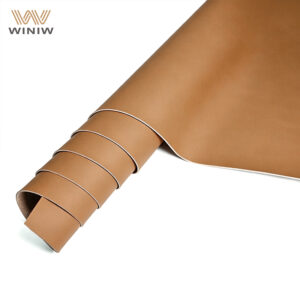
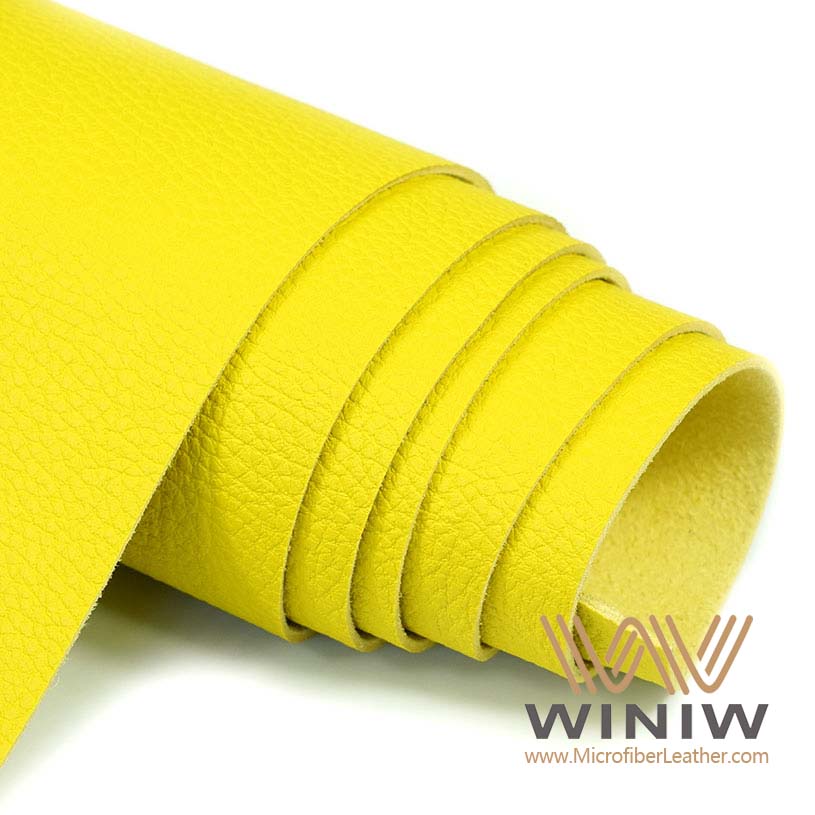
Automotive faux leather stands out as a preferred material in car interiors due to its durability, cost-effectiveness, and sleek appearance. Manufacturers and consumers often select automotive faux leather for its practicality and style in a modern vehicle interior. Nearly 58% of car manufacturers in Europe and about 59% of regional automotive companies have adopted automotive faux leather for interior design. Automotive faux leather appeals for several reasons:
- Lower CO2 emissions compared to genuine leather
- Cost-effectiveness, delivering luxury at a lower price
- Durability and easy cleaning for everyday use
Automotive faux leather continues to shape the future of car interiors with its innovative qualities.
Key Takeaways
- Automotive faux leather offers a stylish and cost-effective alternative to genuine leather, making luxury accessible to more consumers.
- This material is durable and easy to clean, making it ideal for everyday use in car interiors.
- Choosing synthetic leather helps reduce environmental impact due to lower CO2 emissions and less resource consumption compared to real leather.
What Is Automotive Faux Leather?
Main Features
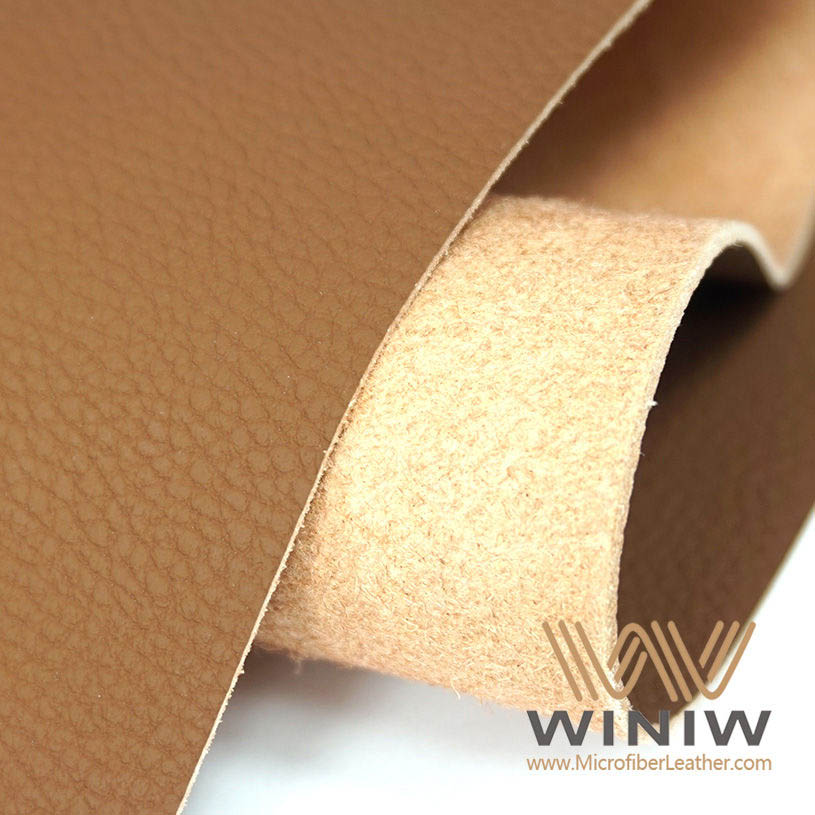
Automotive faux leather, often called synthetic leather, is a man-made material designed to mimic the appearance and feel of genuine leather. Manufacturers use it widely in car interiors because it offers a balance between style and practicality. Synthetic leather is usually made from polyurethane (PU) or polyvinyl chloride (PVC), which gives it a smooth surface and consistent color. This material resists water and stains, making it easy to clean after daily use. Many car owners appreciate its ability to maintain a fresh look over time.
Automotive faux leather, particularly PU leather, is designed to replicate the look of real leather while being more cost-effective. It is generally more breathable than vinyl but less so than genuine leather. While PU leather is durable and water-resistant, it can crack or peel over time, especially when exposed to UV light and extreme temperatures. In contrast, vinyl is known for its durability and moisture resistance but lacks breathability, making it less comfortable in varying temperatures.
Synthetic leather stands out for its versatility. Manufacturers can produce it in many colors and textures, allowing for customization in car interiors. The material also weighs less than real leather, which can help improve fuel efficiency in vehicles.
Comparison With Real Leather
The differences between real leather and synthetic leather become clear when comparing their texture, comfort, maintenance, and longevity. The table below highlights these distinctions:
| Feature | Real Leather | Faux Leather |
|---|---|---|
| Texture | Natural grain, unique imperfections, rich texture | Often lacks depth and character |
| Comfort | Softer, more breathable | Less breathable, can feel sticky or stiff |
| Maintenance | Develops a rich patina over time | Prone to cracking or peeling, easier to clean |
| Longevity | Lasts longer, increases resale value | Shorter lifespan, may require frequent replacement |
Synthetic leather offers a modern look and easy maintenance, but it may not match the comfort or lifespan of genuine leather. Many car buyers choose synthetic leather for its affordability and style, even though it can show wear sooner than natural materials.
How Synthetic Leather Is Made and Used
Materials and Process
Synthetic leather for automotive use relies on two main materials: polyurethane and vinyl. Vinyl, also known as polyvinyl chloride, forms the base for many types of synthetic leather. Manufacturers add plasticizers, stabilizers, and other additives to vinyl. These chemicals improve flexibility, durability, and appearance. Vinyl upholstery stands out for its ability to resist moisture and stains, making it a practical choice for car interiors.
The production of synthetic leather involves several steps. The table below shows the typical process for both polyurethane and vinyl upholstery:
| Step | PU Manufacturing Process | PVC (Vinyl) Manufacturing Process |
|---|---|---|
| Mixing | Mix PU resin, plasticizer, and other raw materials. | Mix vinyl, flame retardant, stabilizer, and colorant. |
| Coating | Apply the mixture on a non-woven fabric substrate. | Apply the mixture on release paper, followed by drying. |
| Laminating | Laminate the base fabric with the coated PU. | Laminate the base fabric with the coated vinyl. |
Vinyl upholstery offers a consistent finish and can be produced in many colors and textures. This flexibility allows designers to match different styles in car interiors.
Applications in Car Interiors
Synthetic leather appears in many parts of a car’s interior. Vinyl upholstery covers seats, door trims, and dashboards. The table below shows how often manufacturers use synthetic leather in these areas:
| Component | Usage Rate |
|---|---|
| Seats | Over 60% |
| Door Trims | Approximately 20% |
| Dashboards | About 15% |
Vinyl upholstery dominates seat coverings because it handles daily wear and tear. Door panels and dashboards also benefit from vinyl’s durability and easy cleaning. Synthetic leather helps create a modern, comfortable, and stylish interior that meets the needs of drivers and passengers.
Advantages of Automotive Faux Leather
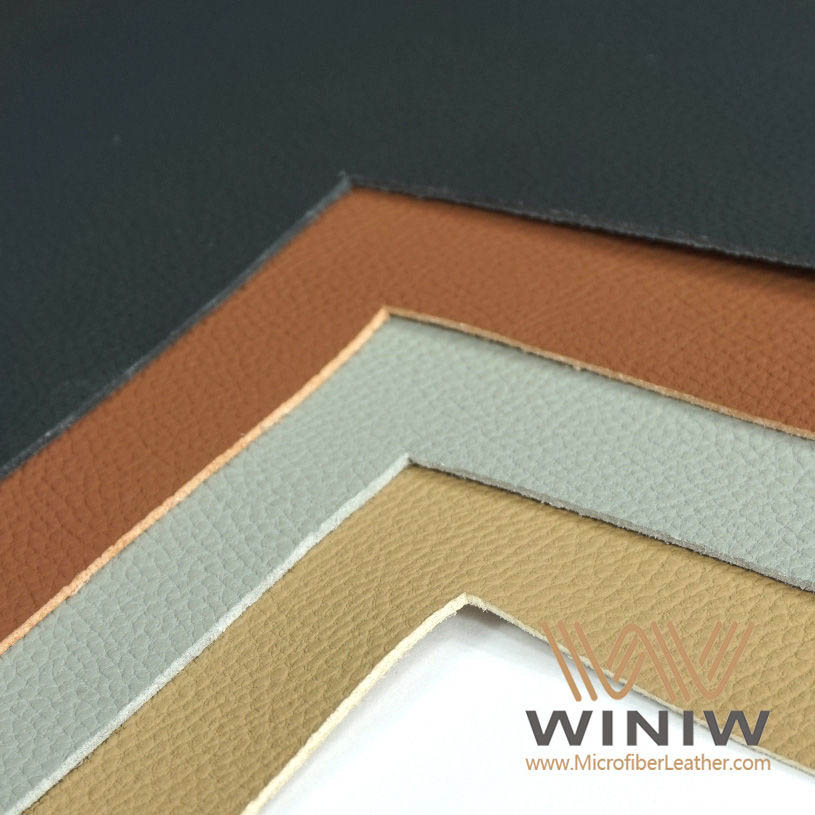
Durability and Maintenance
Automotive interiors demand materials that can withstand daily use. Many drivers choose vegan leather because it resists stains and moisture. However, when comparing durability, real leather still leads in resistance to cracking, peeling, and fading. The table below highlights the differences:
| Material | Durability & Resistance to Wear and Tear |
|---|---|
| Real Leather | Highly durable, resistant to cracking, peeling, tearing, scratches, scuffs, and fading when maintained. |
| Faux Leather | Less durable, prone to wear, may peel or crack with heavy use. |
Manufacturers address these concerns by using advanced PVC and polyurethane blends in high-use areas like seats and door panels. These blends offer a durable leather alternative that balances longevity with affordability. Routine care helps extend the life of synthetic materials. Recommended maintenance practices include:
- Use a handheld steamer to clean and sanitize surfaces.
- Mix distilled water, white vinegar, and a few drops of oil for a gentle DIY cleaner.
- Treat stains with rubbing alcohol, testing on hidden spots first.
- Apply anti-static sprays to reduce dust buildup.
- Use UV protectants to prevent fading and cracking from sunlight.
- Wipe down seats regularly to keep interiors fresh.
Note: Vegan leather requires less conditioning than real leather, making it easier to maintain for busy car owners.
Appearance and Comfort
Vegan leather enhances the look of modern car interiors. Its smooth, glossy surface reflects light, creating a sense of depth and luxury. Designers can choose from a wide range of colors, from classic black to bold hues, allowing for complete customization. The realistic texture closely mimics natural leather, adding sophistication to any vehicle.
Car owners often report little difference in comfort between synthetic and genuine leather seats. Some drivers even prefer vegan leather in hot climates, as it feels cooler and less sticky. Others appreciate that leather alternatives are available in more affordable models, making luxury accessible to a wider audience.
- One driver noted no significant comfort difference between vegan leather and genuine leather seats.
- Another found synthetic seats more comfortable after moving to a warmer region.
- Many recognize that leather alternatives offer a premium feel without the high cost of luxury brands.
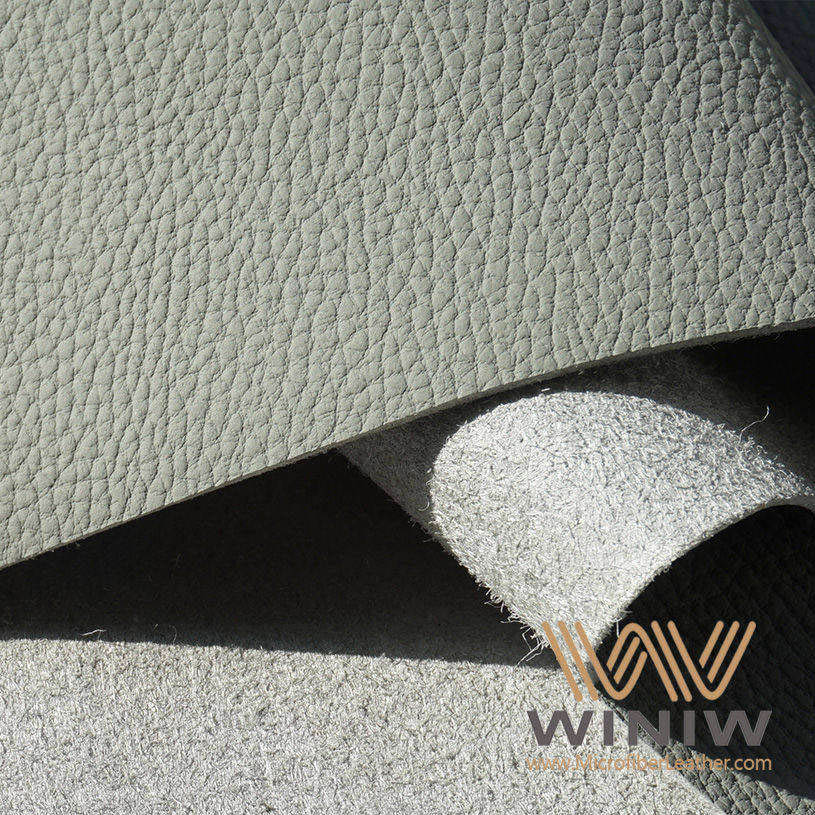
The table below compares consumer satisfaction for real leather and vegan leather interiors:
| Feature | Real Leather | Sof-Touch Leatherette (Vegan Leather) |
|---|---|---|
| Feel | Natural, luxurious | Soft, smooth, premium finish |
| Maintenance | Requires conditioning | Wipe clean, low upkeep |
| Durability | Prone to cracking | Built for long-term use |
| Water Resistance | Not waterproof | Yes, waterproof |
| Customization | Limited options | Wide selection of styles and colors |
| Cost | Expensive | Cost-effective and stylish |
Cost and Environmental Impact
Vegan leather stands out as a cost-effective choice for car interiors. The average cost for real leather is about $70 per unit, while vegan leather costs around $33. This price difference allows manufacturers to offer stylish interiors at a lower price point.
| Material Type | Cost |
|---|---|
| Real Leather | ≈$70 |
| Faux Leather | ≈$33 |
Environmental impact plays a major role in the shift toward sustainable leather alternatives. Vegan leather production uses less water and land than animal leather. It also has a much lower carbon footprint. For example, cow skin leather produces about 110 kg of CO2e per square meter, while artificial leather generates only 15.8 kg of CO2e per square meter. This makes vegan leather nearly seven times less climate impactful.
- Synthetic leather has a lower carbon footprint than real leather.
- Production uses less water and land, reducing environmental strain.
- Real leather production contributes to deforestation and greenhouse gas emissions.
- PVC leather is recyclable, while genuine leather has higher environmental costs.
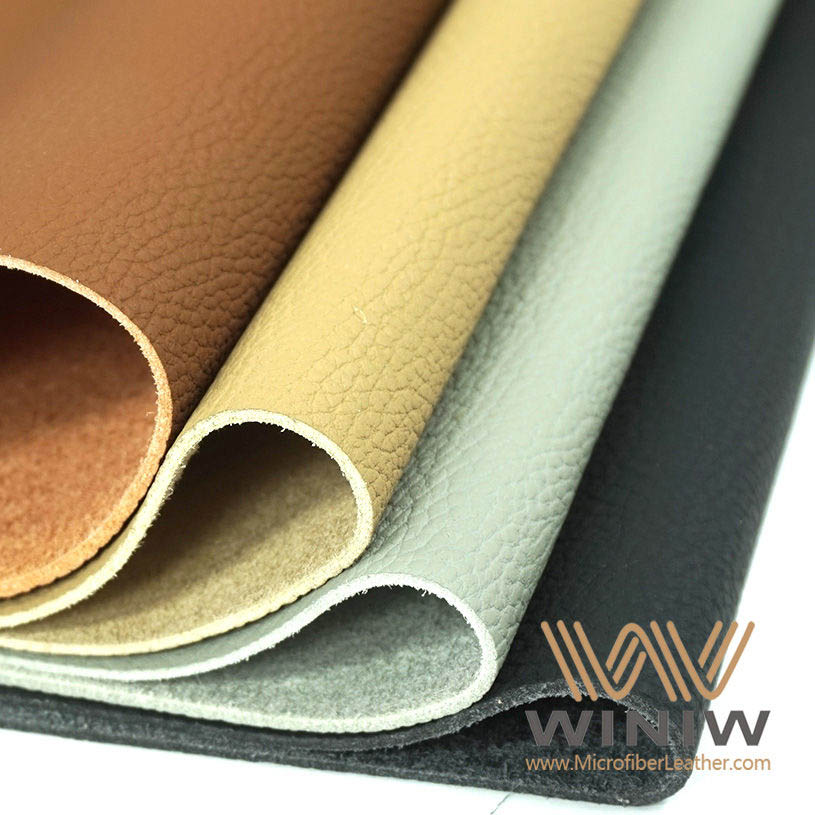
Many manufacturers now seek environmental certifications for their materials. The table below lists common standards:
| Certification/Standard | Description |
|---|---|
| Greenguard Environmental Institute | Certifies environmentally-friendly synthetic fabric production |
| LEED | Recognizes sustainable production practices |
| OEKO-TEX® LEATHER STANDARD | Tests for harmful substances, ensures safety |
| PETA approved vegan leather | Indicates eco-friendly, animal-friendly options |
Tip: Choosing a sustainable leather alternative helps reduce the environmental impact of vehicle production.
Despite these benefits, synthetic leather is not biodegradable and can take centuries to break down in landfills. Real leather decomposes much faster under industrial conditions. Still, the automotive industry continues to innovate, introducing new vegan leather options made from bio-based materials like hemp, mushrooms, and cactus. These advancements support the growing demand for eco-friendly and cruelty-free interiors.
Automotive experts highlight several reasons for choosing synthetic leather in car interiors:
- Sustainability and reduced environmental impact
- Enhanced durability and easy maintenance
- Premium look with customizable designs
- Cost-effectiveness for both manufacturers and consumers
Understanding these benefits helps buyers and automakers select materials that balance style, comfort, and responsibility.

FAQ
What is the main difference between faux leather and real leather in cars?
Faux leather uses synthetic materials. Real leather comes from animal hides. Faux leather offers easier cleaning and more color options.
Can automotive faux leather cause allergies?
Most people do not experience allergies with faux leather. Manufacturers use hypoallergenic materials. Sensitive individuals should check product details.
How long does automotive faux leather last?
Automotive faux leather usually lasts 5 to 7 years with proper care. Regular cleaning and UV protection help extend its lifespan.