Choosing between Synthetic Leather Car interiors and real leather often comes down to your priorities. If you value easy maintenance, comfort, and sustainability, synthetic options offer a strong case. Real leather delivers a classic feel but needs more care. Consider this quick comparison:
| Feature | Synthetic Leather Car | Real Leather |
|---|---|---|
| Maintenance | Easy to clean | Needs care |
| Environmental Impact | More sustainable | Less sustainable |
Reflect on your preferences before selecting your ideal car interior.
Key Takeaways
- Synthetic leather offers easy maintenance and a modern look, making it ideal for budget-conscious buyers.
- Real leather provides a luxurious feel and unique aging, appealing to those who value classic aesthetics.
- Consider your climate and comfort preferences; synthetic leather may be better for humid areas, while real leather offers a softer, more breathable experience.
Car Interior Material Options
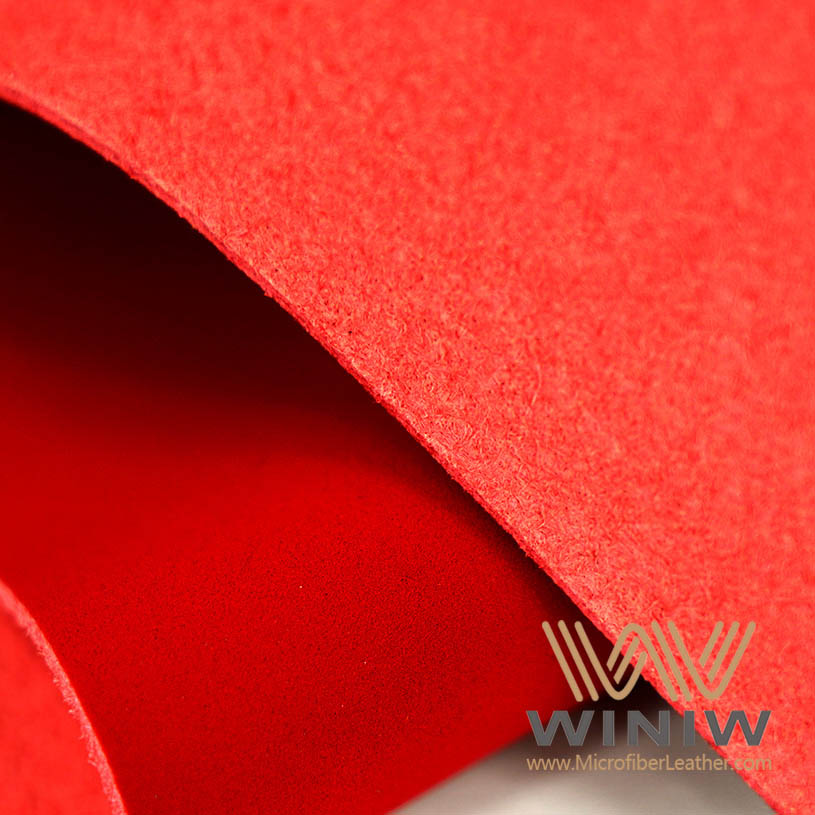
When you explore car interior material options, you will notice two main choices for premium interiors: synthetic leather car materials and real leather content. These options shape the look, feel, and value of your vehicle.
Synthetic Leather Car Overview
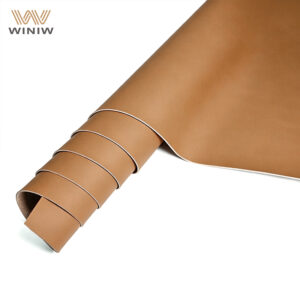
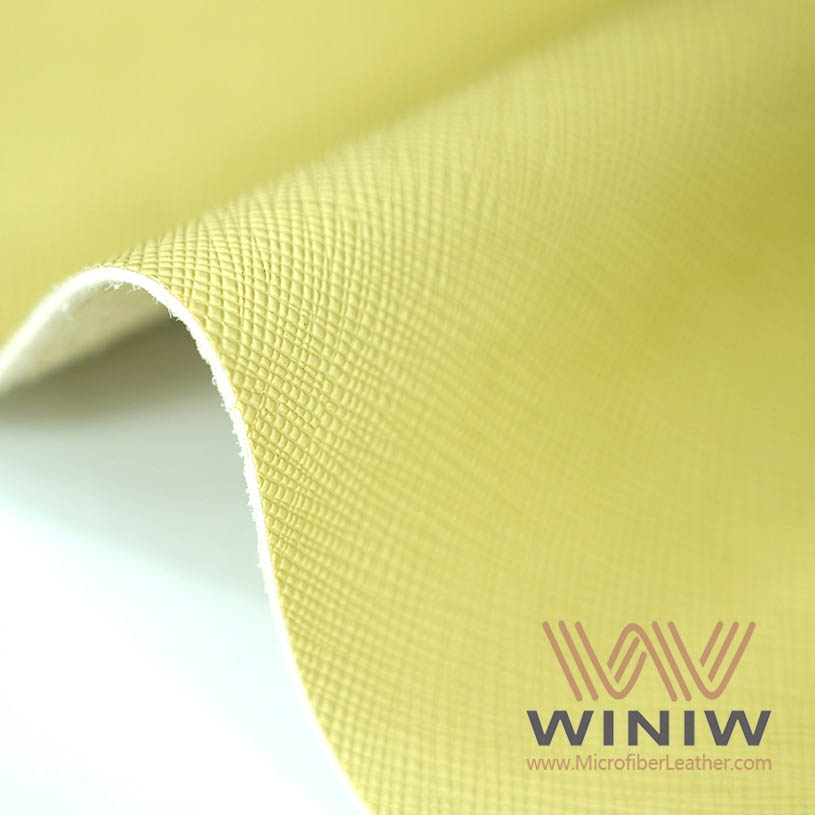
Synthetic leather car interiors, often called vegan leather, leatherette, or faux leather, have become popular for drivers who want style and practicality. Manufacturers use materials like PU (polyurethane) and PVC (polyvinyl chloride) to create these leather alternatives. You will find that vegan leather and leatherette offer a smooth, uniform appearance and resist stains. Many drivers choose synthetic leather car interiors because they are easy to clean and maintain. Vegan leather and leatherette also appeal to those who want animal-free products. As a bonus, synthetic leather car options often cost less than real leather content, making them attractive for budget-conscious buyers. You may see terms like vegan leather, leatherette, and faux leather used interchangeably, but all refer to leather alternatives that avoid animal products.
| Type of Leather | Description |
|---|---|
| PU Leather | A synthetic option that is budget-friendly and easy to maintain. |
| PVC Leather | Another synthetic alternative, tough and resistant to abrasion, often used in high-traffic applications. |
- Common synthetic leather car materials:
- PVC (Polyvinyl Chloride)
- PU (Polyurethane)
- Vegan leather
- Leatherette
- Faux leather
Tip: Synthetic leather car interiors, especially vegan leather and leatherette, offer a modern look and require less upkeep than traditional options.
Real Leather Overview
Real leather content, including genuine leather, full-grain, and top-grain varieties, remains a symbol of luxury in car interiors. You will notice that leatherette cannot match the unique texture and scent of real leather. Automotive brands often use genuine leather in high-end models to highlight durability and a natural look. Leather alternatives like leatherette and vegan leather try to mimic these qualities, but real leather content stands out for its ability to develop a rich patina over time. You may also encounter aniline and semi-aniline leather in luxury vehicles, which offer a soft texture and a premium feel.
| Type of Leather | Description |
|---|---|
| Full-Grain Leather | The highest quality leather, retains the complete grain pattern, very durable, develops a rich patina. |
| Top-Grain Leather | Slightly lower quality, has a smoother surface due to sanding imperfections. |
| Genuine Leather | Comes from lower layers of the hide, often less desirable quality. |
| Aniline Leather | Finest quality, soft texture, rare in vehicles. |
| Semi-Aniline Leather | Dyed with a protective coating, common in luxury cars for its low maintenance. |
You will see that car manufacturers market real leather content as a premium feature, while synthetic leather car options like vegan leather and leatherette target buyers who want affordability and easy care. Both leather alternatives and real leather content continue to evolve as the industry focuses on sustainability and consumer preferences for interior options.
Appearance and Feel in Cars
Visual Appeal
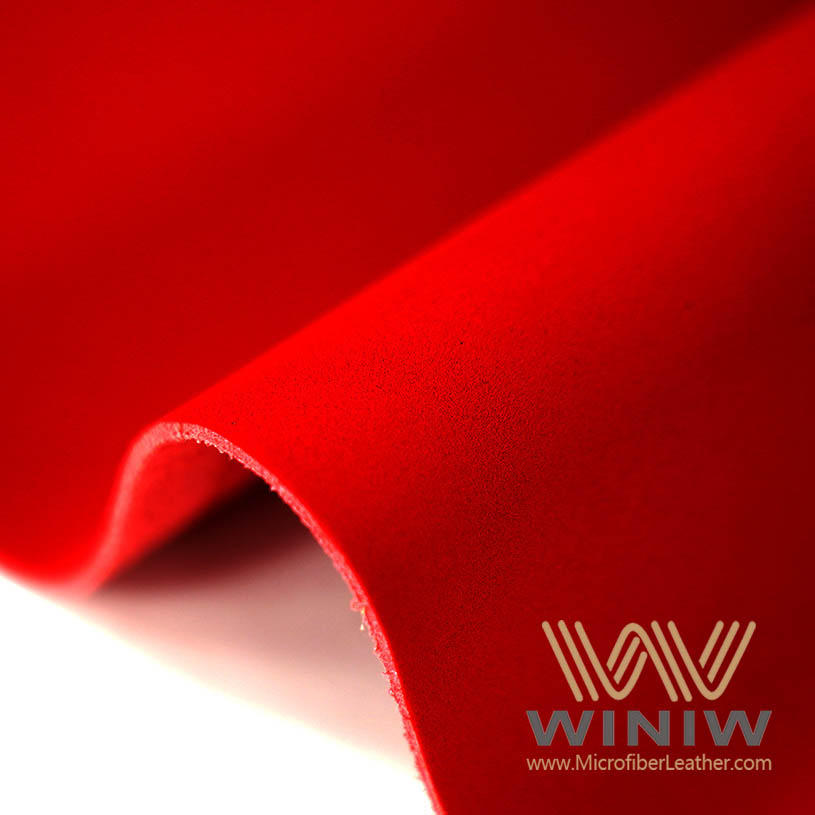
When you step into a car, the first thing you notice is the look of the interior. Real leather often stands out as the ultimate choice for a luxurious look and feel. Many people see genuine leather as the top standard for luxury vehicles because it gives the interior a premium appearance that synthetic materials rarely match. Over time, real leather develops a unique patina, which adds character and prestige to your car. This aging process makes the look of real leather even more appealing as the years go by.
Synthetic leather, on the other hand, offers a smooth and flawless look. Manufacturers design it to mimic the appearance of real leather, and in many cases, it can be hard for you to tell the difference at first glance. Surveys show that most car owners cannot easily distinguish between synthetic and real leather seats. In fact, in one survey, 94% of owners of a midsize premium car model believed they had leather seats, while only 13% actually did. This confusion highlights how closely synthetic leather can resemble the real thing. Satisfaction ratings for seat feel are also very close, with some owners even rating synthetic leather slightly higher.
Note: Synthetic leather provides a consistent and modern look, while real leather offers a classic and evolving appearance that many consider more luxurious.
Texture and Scent
The feel of your car’s interior goes beyond just how it looks. When you touch real leather, you notice natural imperfections and a rich, textured surface. Each piece of real leather is unique, giving your car a sense of individuality. The tactile experience is a big part of why many people prefer real leather. It feels soft and supple, sometimes even rugged, which adds to the comfort and grip of the seats.
Synthetic leather usually feels more uniform and can sometimes be slippery or rubbery. While it may not have the same depth of texture as real leather, some advanced synthetic materials, like TailorFit™, come close by offering smoothness and softness that rival high-quality nappa leather. These materials can provide lounge-like comfort and resist wrinkles, making them a practical choice for daily use.
The scent of the interior also plays a role in your overall experience. Real leather has a distinct, earthy aroma that many people associate with luxury. This scent can make the interior feel more inviting and exclusive. Synthetic leather, especially when new, may give off a slight chemical odor. This difference in scent is often noticeable and can influence how you perceive the quality of the interior.
| Factor | Path Coefficient | Description |
|---|---|---|
| Perceived Softness | 0.305 | Dominant factor affecting tactile luxuriousness in leather. |
| Tactile Satisfaction | 0.652 | All affective variables significantly influence tactile satisfaction in automotive interiors. |
- Real leather has unique imperfections and a natural grain.
- Synthetic leather appears uniform and flawless.
- Real leather feels rich and textured.
- Synthetic leather often feels more slippery or rubbery.
- Real leather has a distinct, earthy smell.
- Synthetic leather can emit a slight chemical odor, especially when new.
When you choose between these materials, consider how much you value the look, feel, and scent of your car’s interior. Real leather offers a classic and evolving appearance with a signature aroma, while synthetic leather provides a modern, consistent look and easy maintenance.
Comfort Comparison
Breathability and Temperature
You notice the difference in breathability and temperature as soon as you sit in a leather-trimmed car interior. Leather seats do not wick moisture well. This can lead to discomfort in humid conditions. You may feel sticky or sweaty after a short drive, especially during summer. Synthetic leather-trimmed seats share similar properties. Both materials trap heat and moisture, making them less comfortable in hot climates.
Drivers in warmer regions often prefer cloth or hybrid fabric-leather combinations. These materials allow for better airflow and evaporative cooling. Mesh inserts in cloth seats help air circulate, keeping you cooler. You experience less stickiness and sweat with these options.
The table below shows how leather seats compare to cloth interiors for breathability:
| Feature | Leather Seats | Cloth Interior |
|---|---|---|
| Breathability | Low | High |
Temperature regulation is another important factor. Leather seats heat up quickly in the sun and stay hot longer. You may find them uncomfortable to touch after your car sits outside. In winter, leather seats feel cold at first. Seat heaters help, but you still notice the chill. Synthetic leather-trimmed seats behave in the same way.
Fabric seats offer better temperature control. They heat up more slowly and cool down faster. You feel warmer right away in winter, and the seats retain your body heat.
| Feature | Leather Seats | Fabric Seats |
|---|---|---|
| Heat Retention | High – heats quickly in sun, stays hot longer | Low to moderate – slower to heat, cools faster |
| Summer Comfort | Poor without cooling aids; sticky when sweating | Better airflow reduces stickiness |
| Winter Comfort | Cold to touch initially; benefits from seat heaters | Warmer feel right away; retains body heat |
Tip: If you live in a hot or humid climate, consider seats with cloth inserts or ventilated leather-trimmed options for improved comfort.
Seating Experience
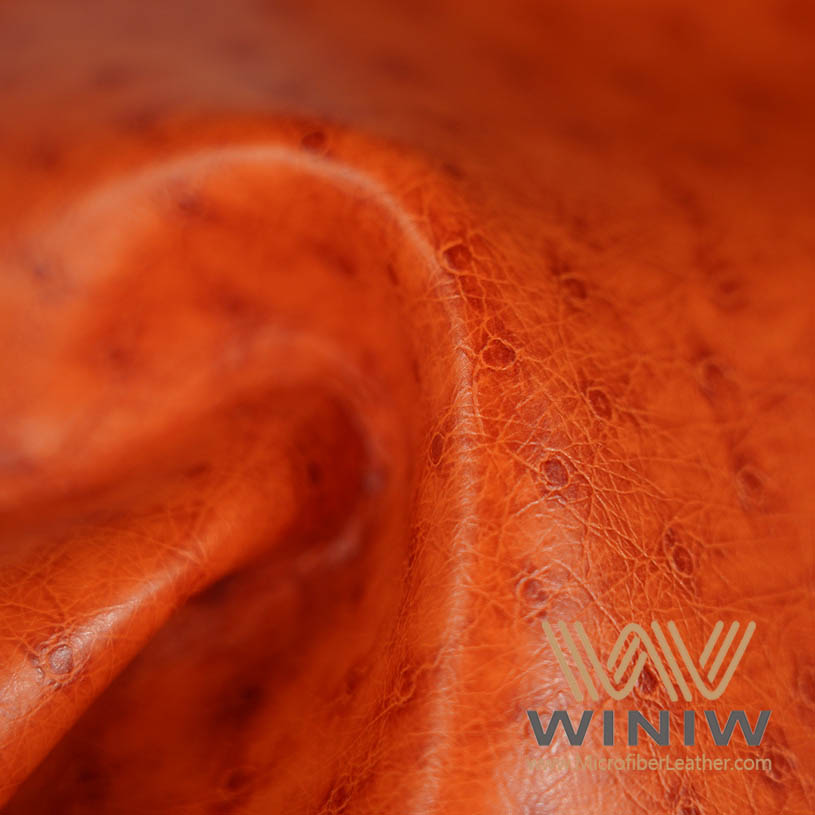
You feel the difference in seating experience every time you drive. Genuine leather is soft and breathable. It provides a comfortable feel that evolves over time. The material conforms to your body, making each ride more pleasant. You notice that leather seats become even more comfortable as they age.
Without proper care, leather can dry out, stiffen, or crack. This affects comfort and makes the seats less inviting. You need to maintain leather-trimmed seats to keep them supple and smooth.
Synthetic leather-trimmed seats are firmer and more structured. They offer support without conforming to your body. Some drivers prefer this firmness, especially for longer trips. You notice that synthetic leather maintains its shape and firmness longer. High-use areas do not sag as quickly, so the seats look newer for a longer time.
Common comfort complaints include:
- Leather seats can feel sticky or cold depending on the weather.
- Synthetic leather-trimmed seats may not conform to your body as much as real leather.
- Leather requires regular maintenance to stay comfortable.
- Synthetic leather offers consistent support and resists sagging.
Note: Your choice depends on your comfort preferences. If you want a seat that molds to your body and feels softer over time, real leather may suit you. If you prefer firm support and easy maintenance, synthetic leather-trimmed seats offer a practical solution.
Durability and Longevity
Wear Resistance
When you choose a car interior, you want it to last. Durability matters, especially if you use your vehicle every day. Real leather stands out for its high durability. Full grain leather resists punctures and tears, making it a strong choice for busy families or anyone who values long-lasting materials. Synthetic leather also offers good durability, but it usually does not match the strength of real leather. High-quality synthetic options can handle daily use, but cheaper versions may wear out faster.
Here is a quick comparison:
| Material | Durability Description | Wear Resistance |
|---|---|---|
| Real Leather | Extremely durable, resists punctures and tears | High |
| Synthetic Leather | Less durable, but high-quality types offer good wear resistance | Moderate to High |
After five years, you may notice peeling on synthetic leather seats. Real leather can crack, especially near seat heater vents. You should consider how much wear your interior will face before making a choice.
Aging and Patina
Over time, real leather develops a unique patina. This change gives your interior a vintage look and adds character. Heat, sunlight, skin oils, and moisture all help create this effect. Many people see patina as a sign of quality and luxury. Synthetic leather does not develop patina. It keeps its original look, but it may start to peel or crack after a few years.
| Factor | Real Leather | Synthetic Leather |
|---|---|---|
| Patina Development | Gains unique patina over time | Does not develop patina |
| Common Damage | Cracks near seat heater vents | Peeling after five years |
| Lifespan | 10 years or more | 3 to 5 years |
If you want an interior that ages with grace and shows its history, real leather is the better choice. If you prefer a material that stays the same but may not last as long, synthetic leather could work for you.
Maintenance and Cleaning
Cleaning Ease
You want your car interior to look fresh with minimal effort. Synthetic leather stands out for its ease of cleaning. You can usually wipe away dust and spills with a damp cloth. Many drivers appreciate that synthetic surfaces do not absorb liquids quickly. For routine cleaning, you can use products like Griot’s Garage Interior Cleaner Spray, which works well on both synthetic and real leather. If you have synthetic leather, a 3-in-1 leather cleaner and conditioner can save you time by cleaning and conditioning at once. For genuine leather, you should use a standalone conditioner after cleaning to keep the material soft and prevent cracking.
- Griot’s Garage Interior Cleaner Spray: Safe for both synthetic and real leather, leaves no greasy residue.
- 3-in-1 leather cleaner and conditioner: Best for synthetic leather, cleans and conditions in one step.
- Standalone conditioner: Ideal for genuine leather after cleaning.
Tip: Regular cleaning helps your interior last longer and keeps it looking new.
Stain Resistance
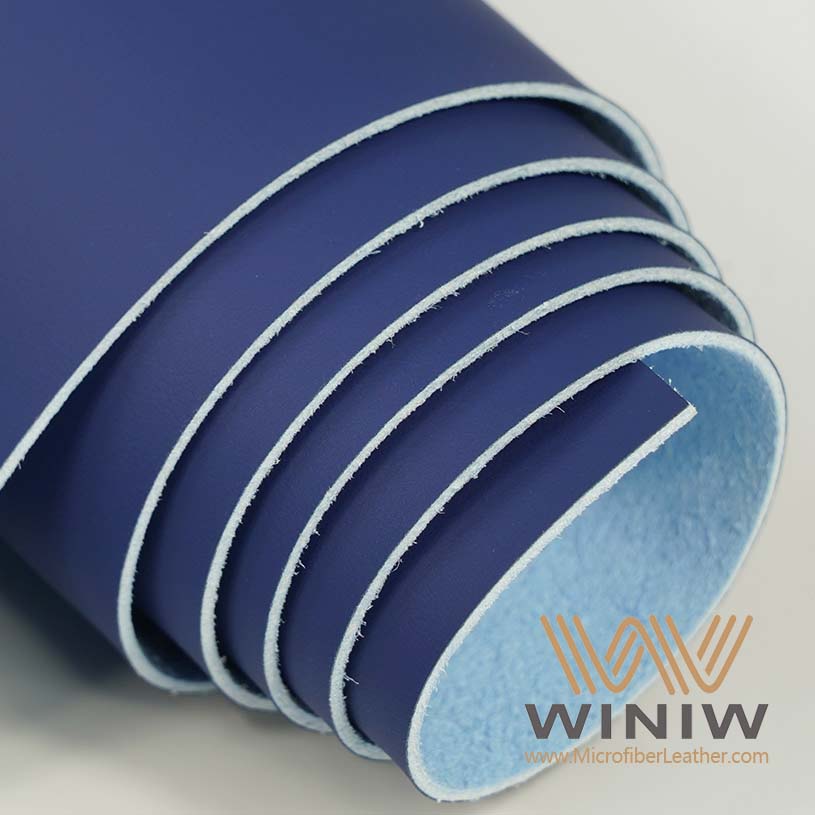
You may worry about stains from coffee, ink, or food. Real leather can resist liquids at first, but if you do not clean spills quickly, water stains can form. Silicone leather, a type of synthetic material, offers excellent stain resistance. It handles common spills like coffee and ink with ease. This makes silicone leather a smart choice if you want extra protection against everyday messes. You will find that synthetic options often outperform real leather in resisting stains, which adds to their appeal for busy lifestyles.
- Real leather resists liquids but may develop stains if not treated quickly.
- Silicone leather shows strong resistance to coffee, ink, and food spills.
Note: Quick action is important for all materials. Wipe up spills as soon as possible to prevent lasting marks.
Cost Factors
Upfront Price
When you shop for a new car, the price of the interior can make a big difference in your decision. Synthetic leather usually costs less than real leather. You often see that real leather can add thousands of dollars to the total price. This price gap becomes even more noticeable in mid-range vehicles. Many buyers choose synthetic options because they want a stylish look without the high cost.
- Synthetic leather is generally less expensive than real leather for car interiors.
- Real leather can add thousands of dollars to the cost of a vehicle.
- The price difference is significant, especially when considering the overall cost of the vehicle.
If you want to save money upfront, synthetic leather gives you a modern appearance at a lower price.
Long-Term Value
You should also think about how your choice affects the value of your car over time. Real leather often increases resale value because buyers see it as a luxury feature. Many people find cars with leather interiors more desirable. Well-maintained real leather tends to keep its value better after five years. Some buyers even appreciate the comfort and durability of real leather, especially in ventilated seats during hot weather.
Synthetic leather, or leatherette, appeals to those who want low maintenance. However, it does not usually boost resale value as much as real leather. Some buyers prefer synthetic options for easy care and cooler seats in summer, but most still view real leather as a premium feature.
Note: If you plan to sell your car in the future, real leather may help you get a higher price, while synthetic leather offers savings at the start.
Environmental and Ethical Impact of Vegan Leather and Real Leather
Sustainability Concerns
When you look for a sustainable leather alternative for your car, you might think synthetic options are always better for the environment. Synthetic leather, often called vegan leather, uses fewer natural resources because it does not require animal farming. This reduces greenhouse gas emissions and water use. You also see less waste during production compared to traditional leather.
However, synthetic leather comes with its own problems. Most vegan leather uses PU or PVC, which are plastics. These materials do not break down easily. Synthetic leather can stay in landfills for hundreds of years and may release microplastics that harm marine life. Real leather, on the other hand, can decompose in about a year under the right conditions. It does not create microplastics or leach chemicals into the ground.
| Material | Carbon Footprint (kg CO2e) | Biodegradability Time |
|---|---|---|
| Cowhide Leather | 100.5 | 10 to 12 months |
| Synthetic Leather | 14.4 | 200 to 500 years |
When genuine leather finally reaches the end of its very long life, it biodegrades. It returns to the earth naturally. It doesn’t fragment into microplastics or leach chemicals into groundwater.
Animal Welfare
You may choose leather-free interiors because you care about animal welfare. The leather industry uses the hides of over a billion animals each year. Cattle are sentient and can feel stress and depression, especially when separated from their companions. Many common practices, such as branding and castration, often happen without pain relief. These facts raise serious ethical questions.
Synthetic leather avoids these animal welfare issues. If you want an interior that does not involve animal products, vegan leather is a clear choice. You support a move toward more humane and ethical products by choosing a sustainable leather alternative.
You face a choice between synthetic and real leather for your car interior. Consider these points:
- Synthetic leather uses recycled materials and avoids animal farming impacts.
- Many drivers value its durability and easy care.
- Real leather offers a classic look and unique aging.

FAQ
Can you tell the difference between synthetic and real leather in a car?
You can spot real leather by its unique grain and scent. Synthetic leather looks uniform and often feels smoother. Most people cannot tell at first glance.
Does synthetic leather last as long as real leather?
Synthetic leather usually lasts three to five years. Real leather can last ten years or more with proper care. You see more peeling in synthetic seats over time.
Is vegan leather better for the environment?
Vegan leather uses fewer resources and avoids animal farming. You must consider disposal, since most vegan leather does not biodegrade and can create microplastics.