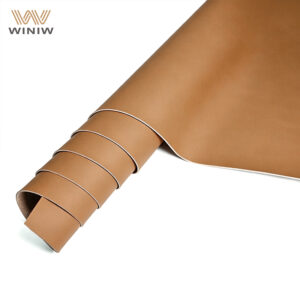
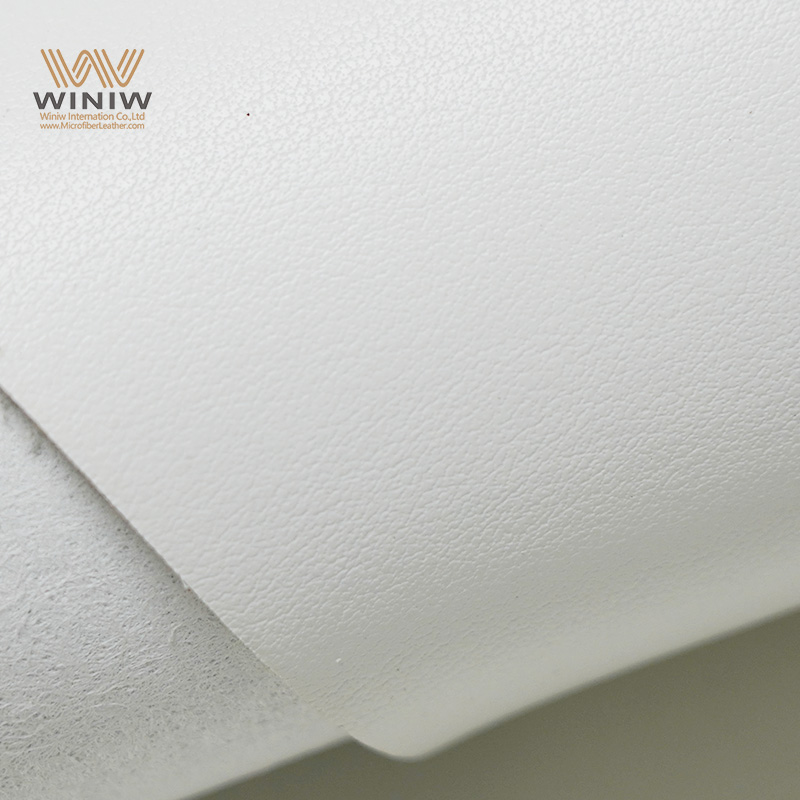
O ri perforated auto alawọ ni ọpọlọpọ awọn igbalode paati. Kekere, evenly spaced holes cover the surface. These holes help air flow, making seats more comfortable, paapaa ni oju ojo gbona. Specialized machines create these patterns. O ni anfani lati better breathability, long-lasting quality, aṣa woni, and improved temperature control.
Awọn gbigba bọtini
- Perforated auto leather enhances comfort by allowing air to flow, keeping you cool and preventing sweat buildup during drives.
- This material is available in both onigbagbo ati sintetiki awọn aṣayan, giving you choices based on your budget and desired luxury level.
- Itọju deede, like vacuuming and using pH-neutral cleaners, helps keep perforated leather looking great and extends its lifespan.
What is Perforated Auto Leather
Key Features and Definition
You may notice that perforated auto alawọ stands out from regular leather because of its small, uniform holes. These holes cover the surface in neat patterns. The automotive industry defines perforated auto leather by these features:
- Small holes increase breathability and comfort.
- Manufacturers often use it in premium car interiors for a luxurious look.
- The holes help control temperature, din yiyọ, ati ki o fa ohun.
You can see how these qualities make perforated auto leather unique. The holes allow air to move through the material. This keeps you cool and prevents sweat from building up. The patterns also add a stylish touch to your car’s interior.
Here is a table that highlights the main features that set perforated auto leather apart from other types of automotive leather:
| Ẹya ara ẹrọ | Apejuwe |
|---|---|
| Mimi | Perforated leather enhances air circulation, keeping occupants cool. |
| Itunu | Small holes prevent sweat and stickiness, improving comfort in hot conditions. |
| Afilọ darapupo | Intricate patterns and designs elevate the look of car interiors. |
| Maintenance Advantages | Easier to clean and does not retain sweat stains, enhancing longevity. |
You get a material that not only looks good but also feels comfortable and stays clean longer.
Uses in Automotive Interiors
You find perforated auto leather in many parts of a car’s interior. Car makers use it most often for seats, paapaa ni awọn awoṣe igbadun. The breathability helps keep you comfortable during long drives. The material also works well with ventilated and heated seat systems. Air can pass through the holes, making these features more effective.
You may also see perforated auto leather on steering wheels, enu paneli, ati armrests. These areas benefit from the same comfort and style. The material’s ability to absorb sound helps create a quieter cabin. The non-slip surface keeps you steady in your seat, even during sharp turns.
When you choose a car with perforated auto leather, you get a blend of comfort, ara, and advanced function. This material has become a symbol of quality in modern automotive design.
Making Automotive Perforated Leather
Aṣayan ohun elo: Genuine vs Synthetic
When you look at automotive perforated leather, you see two main types: genuine leather and sintetiki alawọ. Ojulowo alawọ wa lati awọn iboji ẹranko, sábà máa ń jẹ́ màlúù. It offers a natural feel, agbara, and a premium look. Many luxury vehicles use genuine leather for their seats and interior panels. You get a soft touch and a classic appearance.
Sintetiki alawọ, also called Faux awọ tabi alawọ alawọ, uses man-made materials like polyurethane or PVC. This option costs less and resists stains and fading. Many car makers choose synthetic leather for its consistent quality and easy maintenance. You can find synthetic versions that closely mimic the texture and appearance of real leather.
Both genuine and synthetic materials can become automotive perforated leather. The choice depends on your needs, isuna, and the level of luxury you want in your car. You may prefer genuine leather for its prestige, or you might select synthetic for its practicality.
Perforation Process and Technology
To create perforated automotive leather, manufacturers use advanced machines that punch small holes into the material. These machines ensure that every hole is the same size and spaced evenly. You benefit from this uniformity because it improves both the look and performance of your car’s interior.
Here is a table that shows the main technologies used in the perforation process:
| Ilana | Apejuwe |
|---|---|
| Mimu Punching Machine | Nlo ga-konge bulọọgi molds fun aládàáṣiṣẹ iho processing, ideal for mass production. |
| Abẹrẹ Punching Machine | Flexible equipment that creates complex patterns using CNC technology. |
| CNC Punching Machine | Darapọ iyaworan kọnputa ati sisẹ CNC fun ọpọlọpọ awọn apẹrẹ punching. |
| Lesa liluho Technology | Imọ-ẹrọ pipe to gaju ti o fun laaye fun awọn apẹrẹ alailẹgbẹ ni awọn inu inu ọkọ ayọkẹlẹ. |
Ṣe o ri CNC machines used often in synthetic leather production. These machines use computer-controlled tools to cut precise and intricate designs. This technology works well for complex projects where you want custom patterns. For large-scale production, mold-based systems offer a cost-effective way to keep every piece consistent.
Specialized perforation machines use sharp needles or blades. You can adjust these machines to control the size, shape, and spacing of the holes. This flexibility is important for achieving the exact look and function you want. Machines maintain a tolerance of ±0.05 mm, so every hole matches the next. Inline vision inspection and automated defect rejection systems help catch any mistakes right away. This technology reduces human error and ensures you get a flawless product.
Imọran: Automated machines make the process faster and more accurate than hand-punching. You get better quality and a more attractive finish.
Quality and Durability
You want your automotive perforated leather to last for years. Manufacturers use strict quality control measures to make sure you get a reliable product. A dedicated quality control team checks every step, from raw materials to the finished leather. They look for defects, measure hole size and spacing, and test the strength of the material.
Here is a table that outlines the main quality control measures:
| Quality Control Measure | Apejuwe |
|---|---|
| Dedicated Quality Control Team | A specialized team oversees all operations to ensure high standards are met. |
| Inspection Procedures | Comprehensive checks from raw materials to final awọn ọja to identify issues. |
| Continuous Improvement | Regular training and equipment upgrades to enhance processes and outcomes. |
You benefit from these checks because they help prevent problems like tearing, uneven holes, or weak spots. High-quality perforated leather stands up to daily use, orun, ati awọn iyipada iwọn otutu. You can trust that your car’s interior will stay comfortable and stylish for a long time.
Akiyesi: Consistent quality control means you get automotive perforated leather that looks great and performs well, whether you choose genuine or synthetic material.
Awọn anfani ti Awọn ijoko ọkọ ayọkẹlẹ Alawọ Perforated
Comfort and Ventilation
You experience a noticeable difference when you choose perforated leather car seats. The small holes in the material allow air to move freely, which increases breathability and comfort. This design helps you stay cool and prevents sweat from building up during long drives. You avoid the sticky feeling that often comes with solid leather seats.
- Perforated leather is mimi, enhancing air circulation.
- The design helps keep occupants cool and comfortable, especially in hot conditions.
- Small holes in the leather prevent sweat and stickiness.
You enjoy a more pleasant ride because the ventilation system works better with perforated leather seats. The air flows through the holes, making your seat feel fresh and comfortable even on warm days.
Temperature Regulation and Air Conditioning
Awọn ijoko ọkọ ayọkẹlẹ alawọ ti a parun ṣe iranlọwọ lati ṣatunṣe iwọn otutu inu ọkọ rẹ. The holes in the leather allow air to circulate, which cycles heat away from your body. You feel less sweaty and more relaxed, especially when the weather gets hot. If your car has ventilated or heated seats, the perforations make these features more effective. Awọn air conditioning system pushes cooled air through the seat, reaching you directly.
| Ẹya ara ẹrọ | Apejuwe |
|---|---|
| Air Conditioning System | Utilizes a thermoelectric device to condition ambient air, reducing heat absorption from the seat surface. |
| Porous Material | Allows airflow while maintaining shape and softness, similar to filter media. |
| Cooled Air Distribution | Cooled air is forced through ducting into a fibrous media, dispersing it onto the seating surface through perforations for direct contact with the passenger. |
You notice that perforated leather seats respond quickly to changes in temperature, making your drive more enjoyable in any season.
Aesthetic and Decorative Value
Perforated leather car seats do more than improve comfort. They also add a unique and stylish look to your car’s interior. You can choose from a variety of patterns and designs, which gives your vehicle a modern and sophisticated appearance. The ability to customize perforation patterns lets you match your car’s style or brand identity.
- Perforated leather provides a one-of-a-kind appearance.
- It allows for visually appealing patterns that enhance product design.
- Broad design possibilities create distinctive and eye-catching aesthetics.
- Perforation patterns contribute to a fafa wo and elevate the modernity of vehicle interiors.
- Perforated alawọ enhances the visual appeal of car interiors, making them more attractive to consumers.
You get both function and style with perforated leather seats. The combination of breathability and comfort, improved ventilation, and decorative value makes these leather seats a popular choice for drivers who want the best for their vehicles.
Perforated Automotive Leather vs Other Materials
Comparison with Non-Perforated Leather
Nigbati o ba ṣe afiwe perforated automotive leather to non-perforated leather, you notice clear differences in comfort and performance. Perforated automotive leather uses small holes to improve airflow, which helps keep you cool and comfortable during long drives. Non-perforated leather, ti a ba tun wo lo, traps heat and moisture, making seats feel sticky in warm weather.
Here is a table that highlights the main differences:
| Ẹya ara ẹrọ | Perforated Alawọ | Non-Perforated Leather |
|---|---|---|
| Mimi | Enhanced airflow, reduces heat and moisture | Daduro ooru, less ventilation |
| Itunu | Superior for comfort-critical applications | Can feel sticky in warm conditions |
| Iduroṣinṣin | Slightly reduced tensile strength | Maximum structural integrity |
You get better air circulation with perforated automotive leather, which prevents sweat and stickiness. This makes your seats more pleasant, paapa ni gbona afefe. Non-perforated leather offers more strength, so it works well for heavy-duty use. For most drivers, the comfort of perforated automotive leather outweighs the small difference in durability.
Imọran: Itọju deede, such as vacuuming with a soft brush and using a pH-balanced cleaner, keeps your seats looking and feeling their best.
Comparison with Fabric and Synthetic Options
You may wonder how perforated automotive leather compares to fabric and synthetic materials. Perforated automotive leather stands out for its breathability and comfort. The small holes in the leather allow air to move freely, which helps prevent sweat and keeps your seats cool. Fabric seats also offer good airflow, but they can absorb spills and stains more easily. Awọn aṣayan sintetiki, like leatherette, mimic the look of leather but may not provide the same level of comfort in hot weather.
Consider the cost differences as well. Leather seat installation can range from $300 si $5,000, depending on the type and quality. Fabric seat replacement usually costs between $200 ati $1,200 for a single seat or rear seat. Replacing the entire interior with fabric can cost $1,500 si $3,000, while premium leather can reach up to $5,000.
- Perforated automotive leather is designed for comfort in hot weather.
- Fabric seats are less expensive but may require more cleaning.
- Synthetic seats resist stains but may not feel as cool as perforated leather.
You get a premium look and feel with perforated automotive leather, along with practical benefits for daily driving. Ti o ba ni iye itunu, ara, and temperature control, this material makes an excellent choice for your car seats.
Itoju ati Itọju
Cleaning Tips for Perforated Leather
You need to clean your automotive perforated leather upholstery with care. Dirt and moisture can collect in the tiny holes, which may weaken the leather over time. Start by vacuuming the seats with a soft brush attachment. Focus on the perforations to remove surface debris. Always tackle dry debris first before using any cleaner. This prevents clogging the holes.
Itele, use a pH-neutral leather cleaner. Mist it onto a microfiber asọ, not directly onto the seat. Dab the surface gently. For stubborn dirt, use a soft-bristle detailing brush in small circles. If debris remains in the perforations, a short burst of compressed air can help. Choose products like Meguiar’s Gold Class Leather & Interior Cleaner or Chemical Guys Leather Cleaner & Conditioner. These work well for automotive interiors and protect the breathable quality of your seats.
Imọran: Avoid over-wetting the perforated leather. Too much moisture can seep through the holes and damage the seat padding.
Common mistakes include using sharp tools or household items, which can tear the leather or damage the perforations. Never let dirt, ọrinrin, or body oils build up in the holes, as this can cause odors and block airflow.
Longevity and Best Practices
You can extend the life of your automotive perforated leather upholstery with regular maintenance. Vacuum often to keep the interior clean and prevent dirt from scratching the surface. Apply a quality leather conditioner every three months to keep the leather soft and prevent cracking. Use sunshades to protect your seats from UV rays, which can cause fading and drying.
Address spills right away with a soft cloth. Avoid sharp or abrasive objects that might scratch the perforated surface. For high-use areas, consider seat covers, especially if you have pets or children. Restoration balms can refresh faded spots and keep your automotive interior looking new.
Regular cleaning and conditioning are essential for perforated leather upholstery. This routine keeps the holes clear, maintains the material’s appearance, and ensures your seats stay comfortable and durable for years.
You get more than just a high-end appearance with perforated auto leather. This material brings breathability, omi-resistance, agbara, ati ara to premium automotive interiors, making it a top choice for high-end cars. For functional reasons, follow these care steps:
- Vacuum debris from holes.
- Mist cleaner onto a cloth.
- Blot gently.
- Use minimal product.
- Avoid heavy conditioners.
- Let seats air-dry.
FAQ
What is the main advantage of perforated auto leather?
Ti o gba dara breathability ati irorun. The small holes allow air to flow, which keeps you cool and prevents sweat buildup.
Can you repair damaged perforated leather seats?
You can fix small tears with repair kits. Fun ipalara nla, you should contact a professional to keep the holes aligned and the seat looking good.
Does perforated leather require special cleaning products?
You should use pH-neutral leather cleaners. Yẹra fun awọn kẹmika lile. These products protect the leather and keep the perforations clear.