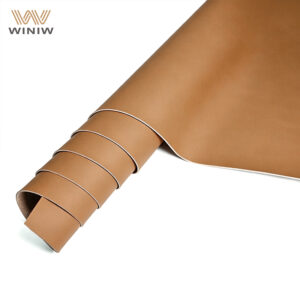
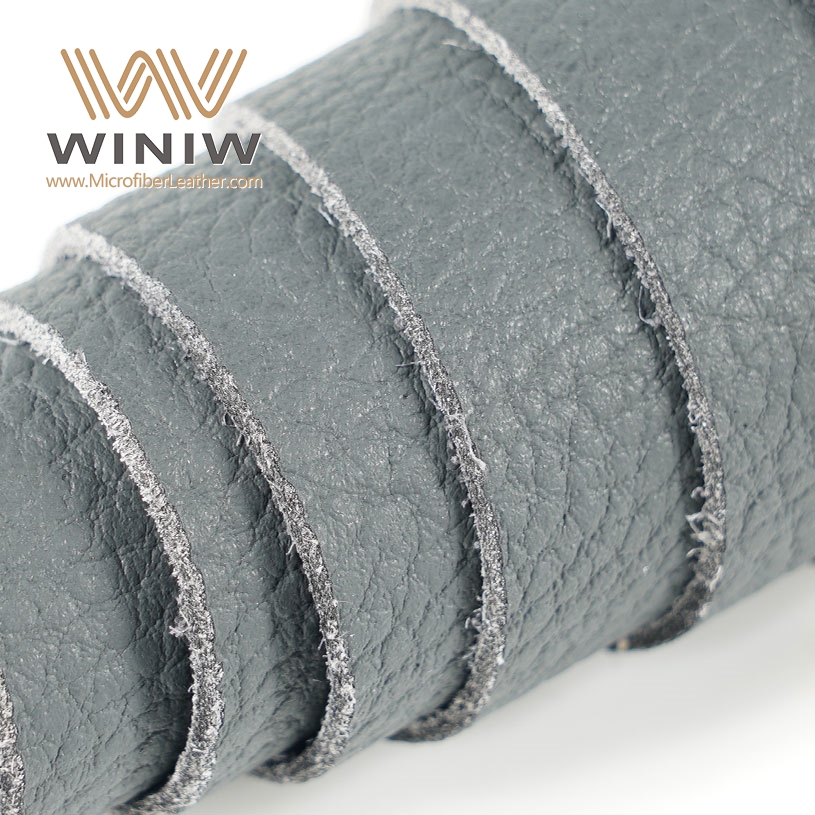
You often see synthetic leather in new cars because it offers durability, easy maintenance, and affordability. Many car buyers choose synthetic leather for its growing popularity. The table below shows market share trends:
| Material | Market Share in 2025 |
|---|---|
| Synthetic Leather | Over 50% |
| Real Leather | Less than 50% |
When you decide between synthetic leather and real leather, you weigh factors like comfort, appearance, cost, and ethical concerns. People value durability, comfort, style, maintenance, environmental impact, and long-term value. Synthetic Leather Car interiors often appeal to those who want sustainable choices. Think about what matters most for your driving experience.
Synthetic Leather vs Real Leather for Car Interiors Which Is Better
- Synthetic leather offers durability and easy maintenance, making it ideal for families and daily drivers.
- Real leather provides a luxurious feel and can increase resale value, but requires more upkeep.
- Consider your values: synthetic leather is often more sustainable and ethical, while real leather offers a classic aesthetic.
Synthetic Leather Car vs Real Leather Overview
Key Differences
When you compare synthetic leather car interiors to real leather, you notice several important differences. Synthetic leather car interiors use artificial materials like PVC and polyurethane. Real leather comes from animal hides, usually cows, and goes through a tanning process. The table below shows how each material is made and what you can expect:
| Type of Leather | Composition Details | Manufacturing Process | Characteristics |
|---|---|---|---|
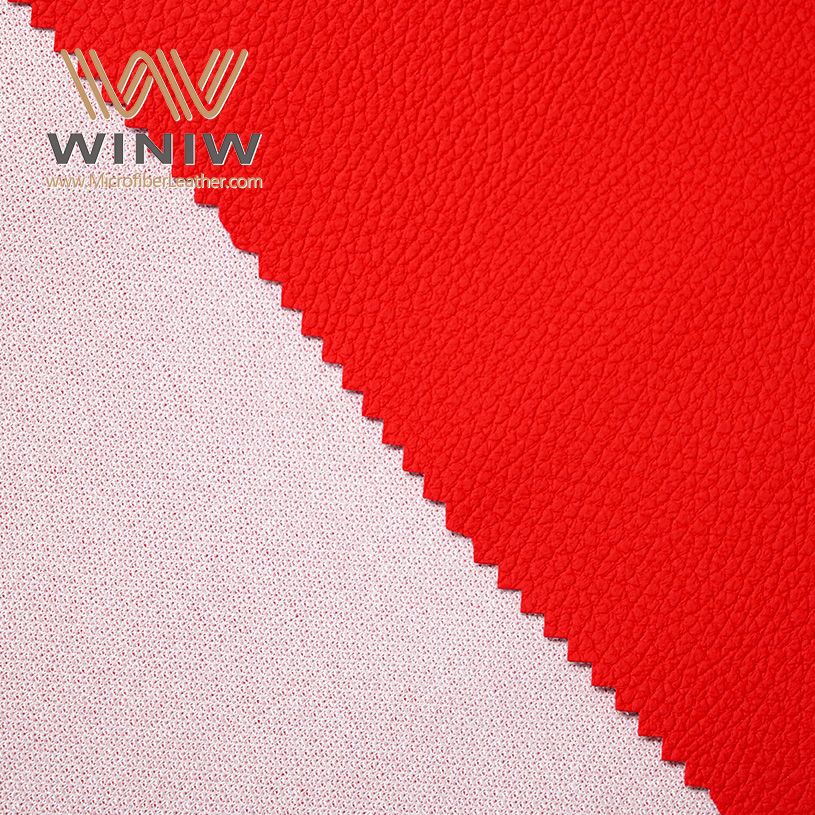
| Synthetic Leather | Made from artificial products, primarily PVC and PU. | Produced through industrial processes, applying a coating to a fiber base. | Mimics real leather appearance, consistent characteristics, not animal-derived. |
| Real Leather | Crafted from animal hides, typically cows, through tanning processes. | Involves ethical sourcing from the meat industry, treating hides to prevent decay. | Known for strength, durability, develops a patina, breathable, offers comfort and grip. |
Synthetic leather car interiors weigh less than real leather. You get better fuel efficiency because the material is lighter. Manufacturers can make synthetic leather thinner and stronger, which helps with practicality and popularity in modern vehicles.
Pros and Cons
You should consider the advantages and disadvantages before choosing a material for your interior. The table below highlights the most significant points for synthetic leather car interiors:
| Advantages of Synthetic Leather | Disadvantages of Synthetic Leather |
|---|---|
| Resistance to Wear, Fade, and Spills | Lack of Breathability |
| Unlimited Choices of Colors and Textures | Lower Perceived Value |
| Budget-friendly Option | Environmental Concerns |
High-quality synthetic leather offers durability and easy cleaning. Synthetic leather trim gives you more style options. Real leather provides a classic look and comfort, but synthetic leather car interiors deliver better practicality for daily use.
Durability of Synthetic Leather and Real Leather
Wear and Tear Resistance
When you choose car upholstery, you want it to last. Durability matters because your seats face daily use, sunlight, and accidental spills. Synthetic leather stands out for its resistance to wear. High-quality synthetic leather, such as Sof-Touch Leatherette, resists scratches and scuffs. You can clean it easily, and it keeps a fresh look with minimal effort. This makes it a popular choice for families and anyone who values convenience.
Real leather also offers impressive durability and strength. If you care for it properly, it resists scratches, scuffs, and fading. However, it needs regular conditioning to maintain its quality. You may notice that synthetic leather requires less upkeep to stay in good condition. This difference can save you time and money over the years.
You can measure durability and wear using laboratory tests. Here are two common methods:
- Flat grinding method: This test uses the Martindale friction testing machine. It rubs the upholstery sample against an abrasive fabric under a set load to check resistance to wear.
- Taber wear-resistant method: This test uses the TABER wear resistance testing machine. It grinds the sample with wheels under pressure to see how well the material holds up.
These tests show that both synthetic leather and real leather can offer strong durability and wear, but synthetic options often require less maintenance.
Longevity in Car Interiors
You want your car upholstery to last for years. The average lifespan of each material depends on how you care for it and the quality of the product. The table below compares the typical longevity of synthetic leather and real leather in car interiors:
| Material | Average Lifespan |
|---|---|
| Real Leather | Decades (with proper care) |
| Faux Leather | A few years (may crack and peel) |
Real leather can last for decades if you clean and condition it regularly. It develops a unique patina over time, which many drivers appreciate. Synthetic leather, while durable, may start to crack or peel after a few years, especially if exposed to harsh sunlight or heavy use. The quality of the synthetic material plays a big role in how long it lasts.
Sunlight can affect both types of upholstery. The table below shows how each material handles fading and cracking:
| Material | Resistance to Fading | Resistance to Cracking |
|---|---|---|
| Real Leather | Susceptible | Susceptible |
| Synthetic Leather | Can fade, may peel | May develop brittle texture |
You should consider your climate and how much sun your car gets. Synthetic leather can fade or peel, but it often holds up better than real leather if you do not want to spend time on upkeep. Real leather needs more care to prevent fading and cracking, but it rewards you with long-lasting quality and comfort.
Tip: If you want the best durability and wear for your car upholstery, look for high-quality synthetic leather. It offers strong resistance to wear, easy cleaning, and a modern look. If you prefer a classic feel and are willing to invest in maintenance, real leather remains a top choice.
Comfort and Feel
Touch and Sensation
When you sit in a car, the way the seat feels matters. You notice the texture and softness right away. Many drivers say that synthetic leather now offers a comfortable touch, thanks to new technology. Manufacturers have improved ventilation and softness, so you get a pleasant experience even during long drives.
You can compare the tactile sensation of different materials using the table below:
| Material Type | Key Characteristics |
|---|---|
| Animal-based Leather | Biodegradability, natural feel, breathability, durability, and longevity. |
| Synthetic Leather | Lacks some natural characteristics, may not provide the same tactile satisfaction. |
Some premium options, like Nappa leather, feel very smooth and hold moisture well. Synthetic choices such as TailorFit™ aim to match this comfort and durability. You may not notice much difference unless you prefer the classic feel of real leather.
| Material Type | Tactile Factors |
|---|---|
| Nappa Leather | High smoothness, moisture retention, superior tactile feel compared to synthetic. |
| TailorFit™ | Similar tactile feel to nappa leather, designed for comfort and durability. |
Temperature and Breathability
You want your car seats to stay cool and comfortable. Synthetic leather has improved in breathability, making it a good choice for warm climates. You can see the main differences below:
- Synthetic materials like SofTex are more breathable than traditional leather.
- SofTex reflects UV rays, so seats stay cooler.
- Real leather absorbs heat and UV rays, which can make seats feel hot.
Recent consumer studies show that synthetic leather now provides better ventilation. You feel less sticky and sweaty, especially in summer. These advancements make synthetic leather a strong option for comfort and temperature control.
Appearance and Style
Look and Color Choices
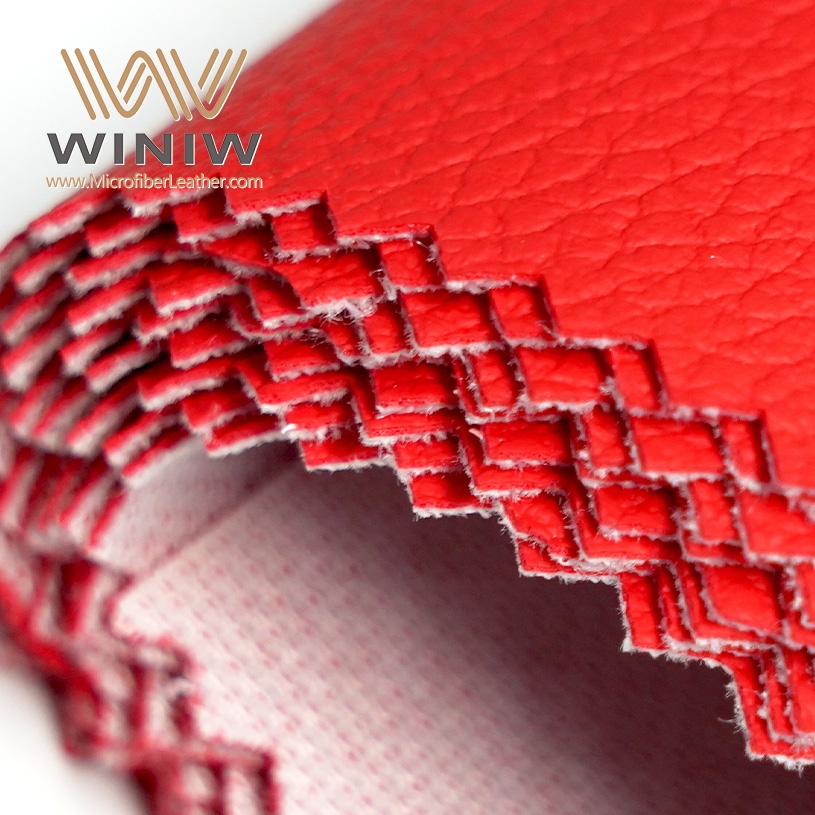
You want your car interior to match your style. Synthetic leather gives you a wide range of colors and textures. Manufacturers can create almost any shade or pattern. You can choose bold reds, classic blacks, or even custom designs. This flexibility makes synthetic leather a favorite for those who want a unique look.
Real leather offers a natural grain and rich texture. Each piece has its own character. You see subtle differences in color and pattern. Many drivers appreciate this authentic feel. However, color choices are more limited. Most real leather interiors come in traditional shades like black, tan, or brown.
Tip: If you want a custom or vibrant interior, synthetic leather gives you more options. If you value natural beauty, real leather stands out.
Luxury Perception
You may notice that many luxury vehicles use leather seats. Car buyers often see leather as a symbol of status and comfort. The table below shows how different factors shape this perception:
| Key Factors | Description |
|---|---|
| Enhanced Consumer Experience | Leather interiors are seen as symbols of luxury, comfort, and status. |
| Increased Vehicle Value | High-quality leather raises the overall value of a vehicle. |
| Environmental Benefits | Many buyers now prefer sustainable materials for a premium experience. |
Premium materials create a sophisticated atmosphere. You feel a sense of exclusivity when you sit in a car with leather seats. The next table highlights these attributes:
| Attributes | Description |
|---|---|
| Premium Materials | Leather seats are a hallmark of luxury interiors. |
| Sophistication | Consumers link leather seats with exclusivity and high standards. |
You see that premium interiors often use leather to enhance both aesthetics and ambiance. If you want your car to reflect luxury and status, leather remains a top choice.
Maintenance and Care for Synthetic Leather Car Interiors
Cleaning and Stain Resistance
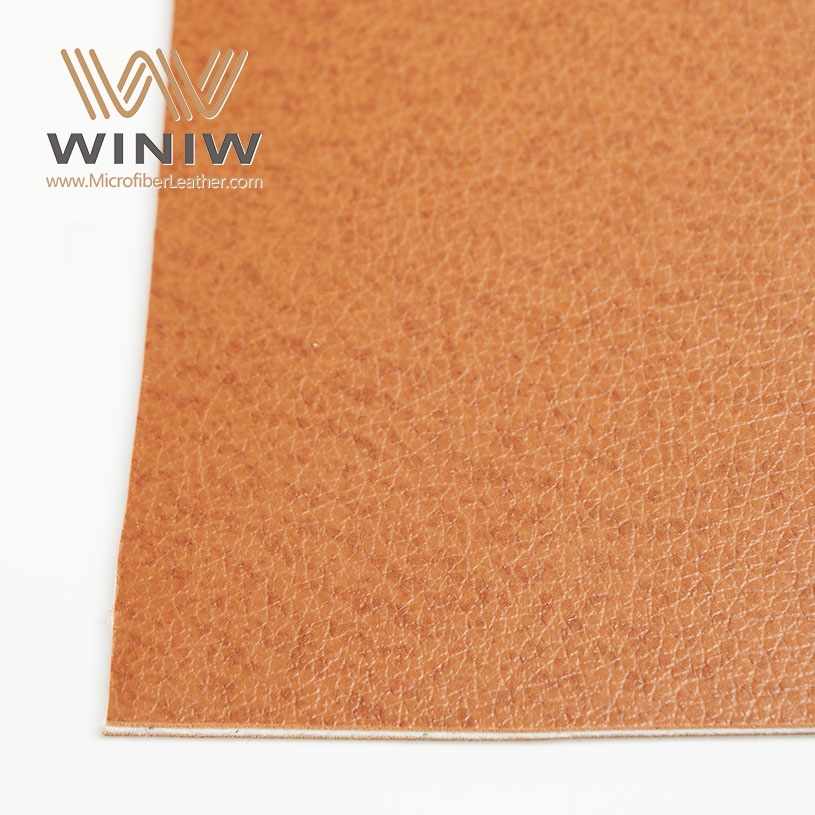
You want car seat covers that stay clean and look new. Synthetic leather makes this easy. When you use vinyl upholstery for your car seat covers, you can wipe away spills with a damp cloth. Most car seat covers made from synthetic leather resist stains better than real leather. You do not need special cleaners for vinyl upholstery. A car leather and vinyl cleaner like Lotus Ultra works well for regular cleaning. Real leather car seat covers need premium cleaners designed for their material.
- Synthetic leather car seat covers resist spills and stains.
- Vinyl upholstery does not absorb liquids, so you clean up messes quickly.
- You do not need to condition synthetic upholsteries as often as real leather.
If you want car seat covers that handle daily messes, vinyl upholstery is a smart choice. You spend less time worrying about stains.
Upkeep Needs
You want car seat covers that require little maintenance. Synthetic leather car seat covers need only regular cleaning. You do not have to condition them at first. After a few years, you might apply a protectant every three months to guard against UV damage and stains. Real leather car seat covers need more care. You must clean and condition them several times a year to keep them soft and prevent wear. Uncoated leather car seat covers also need waterproofing.
| Material Type | Maintenance Requirement | Conditioning Needs | Additional Care |
|---|---|---|---|
| Synthetic Leather | Regular cleaning; no conditioning needed at first | May need conditioning after a few years | Protectant every three months for UV and stain guard |
| Real Leather | Regular cleaning and conditioning to prevent wear | Needs conditioning after a few years | Waterproofing for uncoated leather |
Vinyl upholstery car seat covers save you time and money. You do not need to buy expensive conditioners or spend hours on upkeep. The ease of maintenance makes synthetic leather car seat covers convenient for busy drivers. If you want car seat covers that look great with minimal effort, vinyl upholstery is the best option.
Cost and Value
Purchase Price
You often compare the cost of synthetic leather and real leather when shopping for a new car. Synthetic leather is easier for automakers to mass-produce, so you see lower cost on many models. Real leather is usually an extra expense, and many buyers consider it unnecessary for daily driving. You notice a significant price difference between the two options.
- Synthetic leather seats help keep the overall cost of your vehicle down.
- Real leather seats add thousands of dollars to the cost, depending on trim level and leather quality.
- The initial cost of vehicles with leather seats is higher than those with cloth or synthetic interiors.
You should factor in the cost of upgrades when choosing your car’s interior. Synthetic leather gives you a stylish look without a high cost, making it a popular choice for budget-conscious buyers.
Long-Term Value
You want your investment to hold value over time. The cost of maintaining synthetic leather is lower because you spend less on cleaning and conditioning. Real leather requires more care, which increases the long-term cost. You may pay more upfront, but you could see a return when you sell your car.
Leather upholstery sometimes means higher prices when selling or trading in your used car. A well-maintained interior can cost several thousand dollars more at the dealership, but the cost of the leather varies depending on how well the surfaces are maintained. Well-maintained premium leather vehicles can significantly increase their resale value.
You should weigh the cost of upkeep against the potential boost in resale value. Synthetic leather saves you money on maintenance, but real leather can add value if you keep it in top condition.
Environmental and Ethical Impact
Sustainability
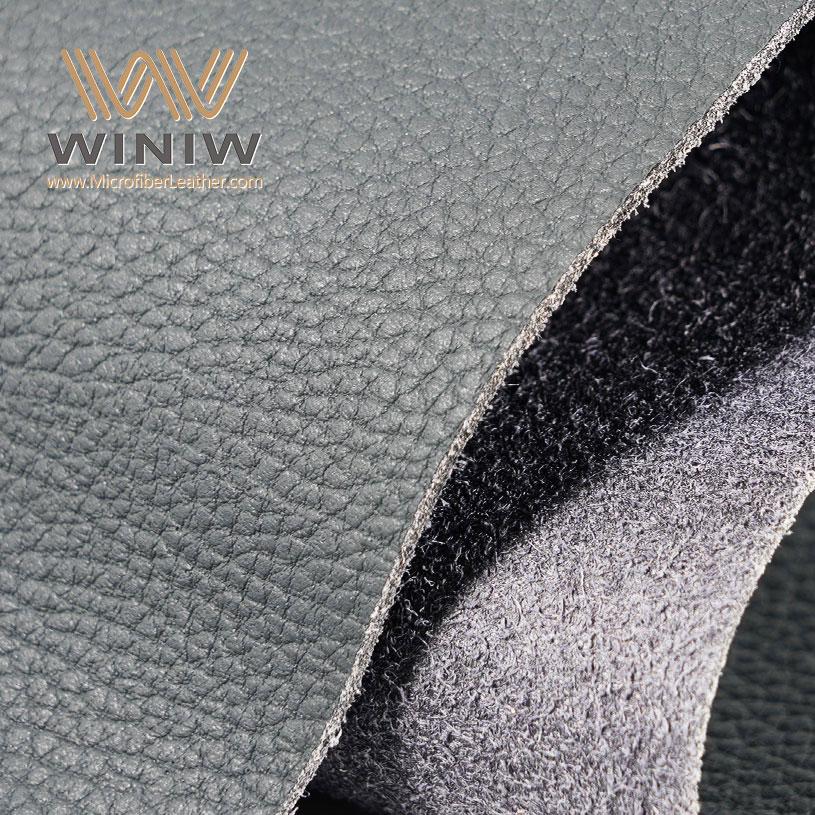
You may wonder how your choice of car interior affects the planet. The production of real leather creates a large carbon footprint. Most emissions come from cattle farming. For every square meter of cowhide leather, about 110 kg of CO2e enters the atmosphere. Synthetic leather offers a more sustainable option. It produces much less carbon dioxide—around 14.4 to 15.8 kg CO2e per square meter. Vegan leather, especially plant-based types, has the lowest emissions, sometimes as little as 0.8 kg CO2e per square meter.
Here is a table that compares the carbon emissions of different materials:
| Type of Leather | CO2e Emissions (kg per square meter) |
|---|---|
| Cowhide Leather | 110.0 |
| Real Leather (general) | 17.0 |
| Synthetic Leather | 14.4 |
| MIRUM® (plant-based) | 0.84 to 2.1 |
| Artificial Leather | 15.8 |
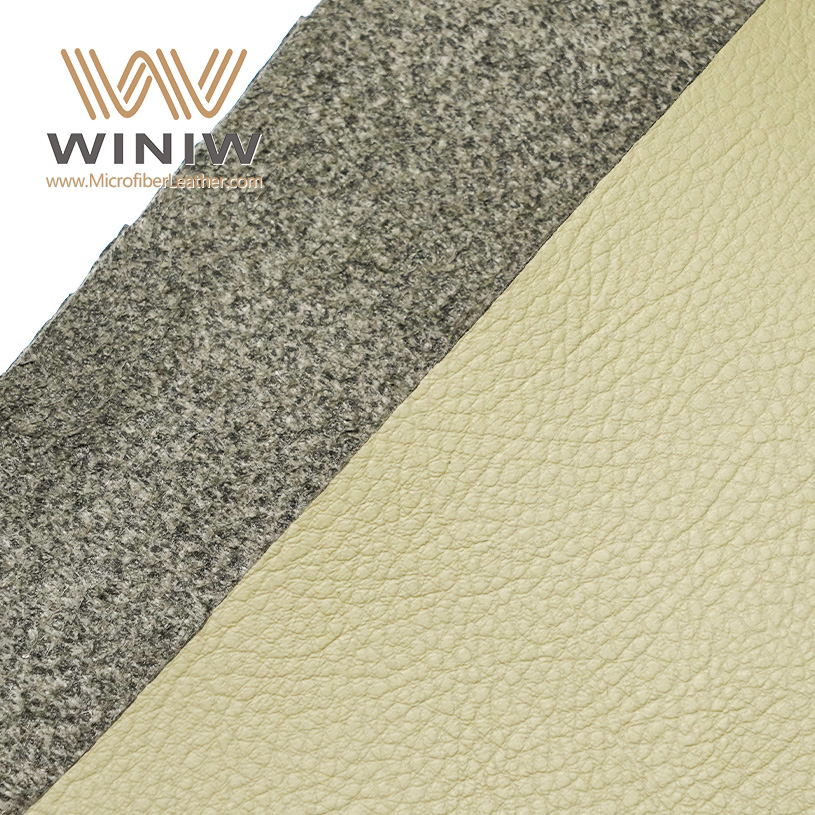
You can see that vegan leather stands out as the most environmentally friendly choice. If you want a durable leather alternative that helps reduce your carbon footprint, vegan leather is a smart pick.
Animal Welfare
You might care about how your choices impact animals. Real leather comes from cattle ranching, which raises concerns about deforestation and climate change. Many people worry about the link between leather production and animal welfare. Choosing vegan leather means you support a cruelty-free material. More drivers now look for sustainable and ethical options for their car interiors. Synthetic leather and other vegan leather products appeal to animal lovers who want to avoid animal-based materials.
Tip: If you want to make an ethical choice, look for vegan leather or synthetic leather. These options let you enjoy style and comfort without harming animals.
Best Choice for Different Car Owners
Families and Daily Drivers
You want a car interior that stands up to daily life. Synthetic leather offers durability and low maintenance, making it ideal for busy families and commuters. The table below highlights why many families choose this material:
| Factor | Benefit |
|---|---|
| Durability | Engineered to withstand daily use, resistant to stains, spills, and UV rays. |
| Low Maintenance | Requires simple cleaning with a damp cloth, unlike natural leather which needs specialized care. |
| Aesthetic Appeal | Available in various colors and textures, replicates the luxurious feel of genuine leather. |
| Environmental Impact | Often made from recycled materials, requires less water and energy than genuine leather. |
| Cost-Effectiveness | Provides a similar look and feel to genuine leather at a lower price. |
| Comfort | Breathable properties enhance comfort, less prone to temperature fluctuations. |
Synthetic leather is a budget-friendly option that does not sacrifice style or durability. You can clean up messes quickly and spend less time on upkeep. Many families appreciate the comfort and practicality this material provides.
Luxury Seekers
You value elegance and sophistication in your vehicle. Real leather, especially Nappa leather, adds a refined touch to your car’s interior. You notice the smooth grain and natural sheen, which create a premium ambiance. Leather seats resist dust and allergens, making them easier to clean. Investing in luxury vehicles with Nappa leather improves comfort and boosts resale value. You make a decision that adds value to your vehicle in every way.
Tip: If you prioritize luxury and want your car to stand out, real leather remains the top choice for a premium experience.
Eco-Conscious Buyers
You care about sustainability and ethical choices. Synthetic leather aligns with your values because it supports a circular economy and often uses recycled materials. The global car interior synthetic leather market continues to grow, driven by younger consumers who prioritize sustainability. You avoid the ethical concerns tied to natural leather and choose a material that requires less water and energy to produce.
- Rising consumer preference for sustainable options.
- Increased demand for synthetic leather due to durability and aesthetic appeal.
- Younger buyers drive the shift toward eco-friendly alternatives.
Note: If you want a stylish, durable, and environmentally friendly car interior, synthetic leather is the smart choice.
You see synthetic leather as the better choice for most car interiors because it offers durability, easy care, and affordability. Luxury brands like Ferrari and Rolls-Royce use real leather for comfort and prestige. If you want value, consider bonded or synthetic leather. Choose what fits your needs.
| Material | Description | Brands Using It |
|---|---|---|
| Fine Leather | Soft, durable, luxurious | Ferrari, Rolls-Royce |
| Synthetic Leather | Economical, easy to maintain | Many mainstream brands |
- Bonded leather suits budget buyers.
- Synthetic leather appeals to those seeking low cost.
- Real leather remains the top pick for luxury.

FAQ
Is synthetic leather waterproof for car interiors?
Synthetic leather resists water. You can wipe spills off easily.
| Feature | Synthetic Leather | Real Leather |
|---|---|---|
| Waterproof | ✅ Yes | ❌ No |
Does real leather smell different than synthetic leather?
You notice a natural scent with real leather. Synthetic leather has a neutral or plastic-like smell.
Tip: Air out your car to reduce any strong odors.
Can you repair cracks in synthetic leather seats?
You can use repair kits for small cracks. Deep damage may need professional help.
🛠️ Regular cleaning helps prevent cracks from forming.