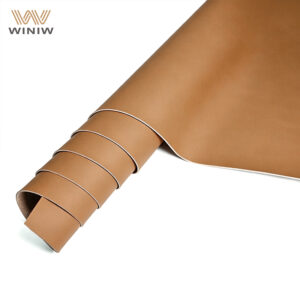

You often see synthetic leather car interiors in modern vehicles because they balance style, comfort, and practicality. Manufacturers choose this material for several reasons:
| Reason | Description |
|---|---|
| Cost Efficiency | Reduces production expenses and keeps cars affordable. |
| Durability and Maintenance | Resists fading, staining, and cracking for lasting use. |
| Environmental Impact | Uses fewer resources and produces less waste. |
| Design Flexibility | Offers many colors and patterns for unique interiors. |
Synthetic Leather Car Interiors Advantages and Disadvantages Explained
- Synthetic leather car interiors offer a stylish look at a lower cost compared to genuine leather, making them a budget-friendly choice.
- Easy maintenance is a major advantage of synthetic leather; it resists stains and can be cleaned with simple solutions, saving you time and effort.
- Consider your local climate and personal preferences when choosing synthetic leather, as it can retain heat in summer and may not feel as luxurious as real leather.
Synthetic Leather Car Interiors Pros and Cons
Cost and Affordability
When you consider synthetic leather car interiors, cost often stands out as a major factor. Leatherette offers a cost-effective option compared to genuine leather. You will usually find synthetic leather car interiors in lower trim levels, while real leather appears in premium models. Cloth interiors remain the least expensive, but leatherette gives you a stylish look without the luxury price tag.
| Type of Interior | Cost Comparison |
|---|---|
| Genuine Leather | Generally comes at a premium |
| Synthetic Leather | Often used in lower trim levels |
| Cloth Interiors | Typically the least expensive option |
- Leather seats are viewed as a luxury option, leading to higher prices.
- Synthetic leather is commonly found in base models, while genuine leather is reserved for higher trims.
- The cost of vehicles with leather seats is generally higher than those with cloth seats.
You get the appearance of luxury with leatherette upholstery, but you do not pay the premium price. This makes synthetic leather car interiors a smart choice if you want style and savings. When you weigh the pros and cons, affordability is a clear benefit.
Maintenance and Cleaning
Synthetic leather car interiors offer easy maintenance. You can clean leatherette with budget-friendly solutions, and you do not need special products. This material resists stains and tolerates stronger cleaning agents, making it easier to keep your car looking fresh.
| Material Type | Maintenance Requirements | Cleaning Products Used |
|---|---|---|
| Synthetic Leather | Resists stains, tolerates stronger cleaning solutions. | Budget-friendly cleaning solutions. |
| Real Leather | Requires gentle treatment and pH-balanced solutions. | Specialized automotive leather cleaners. |
- Synthetic materials like leatherette are generally easier to clean than natural leather.
You will find that synthetic leather car interiors are resistant to spills and stains. This means you spend less time worrying about messes and more time enjoying your ride. When you compare the pros and cons, easy maintenance stands out as a major advantage.
Comfort and Breathability
Comfort plays a big role in your driving experience. Leatherette feels smooth and soft, but it is non-porous and tends to trap heat. This can make seats feel sticky or hot, especially during summer. Genuine leather is more breathable and absorbs less heat, but it requires more care.
Recent consumer studies show that synthetic leather car interiors now offer improved ventilation. Some brands use advanced materials that reflect UV rays and keep seats cooler. Leatherette can provide better temperature control and reduce sweatiness in hot weather.
- Synthetic materials like SofTex are noted to be more breathable than traditional leather, reflecting UV rays to keep seats cooler.
- Real leather can feel hot on warm days due to its heat absorption, leading to discomfort.
- In contrast, synthetic leather may provide better ventilation and temperature control, especially in summer.
When you look at the pros and cons, comfort and breathability have both benefits and downsides. Leatherette gives you a soft feel, but you may notice heat retention in direct sunlight.
Durability and Lifespan
Durability is another key factor when choosing synthetic leather car interiors. Leatherette is durable and wear-resistant, making it a practical choice for busy lifestyles. It resists scratches, spills, and stains, and maintains its surface even after repeated use.
| Material Type | Average Lifespan |
|---|---|
| Genuine Leather | 10–15+ years |
| Synthetic Leather | 5–8 years before noticeable degradation |
- Synthetic leather effectively resists scratches, spills, and stains.
- It maintains its surface integrity even after repeated use, such as sliding in and out of the car.
- The material does not easily absorb liquids, reducing issues with spills.
- High-quality synthetic leather, like Sof-Touch Leatherette, shows strong resistance to scratches and scuffs.
- It is easy to clean and retains a fresh appearance with minimal maintenance.
- Synthetic leather interiors are durable and resistant to wear.
- The material resists fading, ensuring that the car interior looks new for a longer time.
While leatherette is fade and scratch resistant, its average lifespan is shorter than genuine leather. You can expect synthetic leather car interiors to last 5–8 years before showing signs of wear. Real leather can last over a decade with proper care. When you consider the pros and cons, synthetic leather car interiors offer a balance between durability and affordability, but you should be aware of their shorter lifespan.
Ethical and Animal-Friendly Aspects
If you care about animal welfare, synthetic leather car interiors present a clear advantage. Leatherette is an animal-friendly choice that does not use animal skins. By choosing synthetic leather, you help reduce the demand for animal products and support more humane practices.
- Synthetic leather offers an animal-friendly alternative to traditional leather.
- It helps reduce the demand for animal skins, supporting more humane practices.
- Choosing synthetic materials allows consumers to make a positive impact on animal welfare.
- Synthetic leather often utilizes recycled materials.
- It minimizes the carbon footprint associated with traditional leather production.
You also contribute to environmental sustainability, as many synthetic leather car interiors use recycled materials and produce less waste. When you weigh the pros and cons, the ethical and environmental benefits make leatherette a responsible option.
Tip: If you want a stylish, durable, and animal-friendly interior, leatherette upholstery gives you a great balance of benefits and fewer downsides.
Disadvantages of Synthetic Leather Car Interiors
Lack of Luxury Feel
You may notice that synthetic leather car interiors do not always deliver the same sense of luxury as genuine leather. Many drivers associate real leather with a classic look and a premium feel. Luxury vehicles often feature genuine leather because it ages naturally and develops a unique character over time. Synthetic leather appeals to those who value practicality and affordability, but it does not always match the prestige of real leather. However, many car owners find it difficult to tell the difference by touch, and modern options like Sof-Touch Leatherette offer a soft, smooth surface that satisfies most users.
- Genuine leather is linked to luxury and a classic appearance.
- Synthetic leather is popular for its budget-friendly and animal-friendly qualities.
- Luxury cars usually use genuine leather, while synthetic leather is common in practical models.
Odor and Stain Retention
Synthetic leather car interiors resist stains better than cloth and even genuine leather. Microfiber faux leather does not absorb moisture, so you can wipe away spills before they set. This makes cleaning easier for families and pet owners. However, synthetic materials can sometimes trap odors, especially if spills are not cleaned quickly. Over time, you might notice lingering smells that are harder to remove compared to cloth.
Heat Retention in Sunlight
You may find that synthetic leather seats get hot quickly in direct sunlight, especially if they are dark in color. This can make your car interior uncomfortable during summer. Cloth seats stay cooler and do not burn your skin, while both synthetic and genuine leather can become uncomfortably hot or cold depending on the weather.
- Dark synthetic leather absorbs heat rapidly, raising cabin temperatures.
- Cloth seats regulate temperature better and remain comfortable in hot weather.
Environmental Concerns
Synthetic leather car interiors raise environmental questions. The production process uses non-biodegradable materials, which can contribute to plastic pollution. On the positive side, some manufacturers use recycled plastics, which helps reduce waste. Synthetic leather has a lower carbon footprint than genuine leather, but plant-based vegan leather is even more eco-friendly.
| Concern | Description |
|---|---|
| Non-biodegradable materials | Synthetic leather does not decompose naturally, adding to plastic pollution. |
| Resource consumption | Genuine leather uses more resources and produces higher emissions. |
| Recycling potential | Some synthetic leather uses recycled plastics to lower environmental impact. |
Note: Synthetic leather car interiors offer many benefits, but you should consider these drawbacks before making your choice.
Synthetic Leather Car vs Genuine Leather and Cloth
Comfort and Aesthetics Comparison
When you choose a car interior, comfort and appearance matter. Real leather feels soft and luxurious, giving you a premium experience. Synthetic leather car interiors feel smooth and consistent, but they may not match the high-end feel of genuine leather. Cloth seats offer a cozy touch, but they lack the sleek look of leather options.
- Real leather adapts to your body over time, increasing comfort.
- Synthetic leather keeps its shape and firmness, providing steady support.
- Cloth interiors stay cool and breathable, which helps in hot weather.
Longevity and Maintenance
You want your car interior to last and stay clean with minimal effort. Leather requires regular conditioning with special products, which adds to maintenance costs. Synthetic leather needs periodic conditioning and quick spill removal. Cloth seats need frequent vacuuming and shampooing, which can become time-consuming.
| Material | Maintenance Routine | Complexity Level |
|---|---|---|
| Synthetic Leather | Periodic conditioning, quick spill removal | Moderate |
| Genuine Leather | Specialized conditioning, gentle cleaning | High |
| Cloth | Regular vacuuming, spot cleaning, shampooing | Low to Moderate |
Over five years, synthetic leather is cheaper to maintain than genuine leather. Cloth seats may cost more in the long run due to wear and tear.
Cost Differences
You will notice price differences when comparing these materials. Genuine leather comes at a premium, often reserved for luxury models. Synthetic leather car interiors offer a stylish look at a lower price. Cloth remains the most affordable option, making it popular in entry-level vehicles.
Environmental and Ethical Factors
You may care about how your choices affect the planet and animals. Synthetic leather claims to be eco-friendly, but it relies on fossil fuels and can create landfill waste. Genuine leather is biodegradable but raises concerns about animal welfare and resource use. Cloth interiors often use natural or recycled fibers, making them a sustainable choice if sourced responsibly.
| Material Type | Environmental Impact | Ethical Considerations |
|---|---|---|
| Synthetic Leather | Non-renewable resources, landfill concerns | Marketed as vegan, but transparency varies |
| Genuine Leather | Biodegradable, resource-intensive, animal welfare concerns | Animal treatment and environmental impact |
| Cloth | Often sustainable, depends on sourcing | Ethical sourcing is important |
Tip: Consider your priorities—comfort, cost, maintenance, or sustainability—when choosing your car interior.
Choosing Synthetic Leather Car Interiors
Climate and Usage
You need to consider your local climate and how you use your car. Synthetic leather can feel hot in summer and cold in winter. Manufacturers now offer temperature-regulating materials for warmer regions.
Scientists in India and Egypt have developed a ‘cool leather’ suitable for warmer climates. This material uses phase change materials (PCMs) to absorb and release heat, making it thermally adaptive. The development of temperature-regulating leather using industrial waste presents a powerful solution for automotive interiors, especially in regions with increasing global temperatures.
If you drive often in extreme temperatures, look for brands that use advanced cooling technology. Your comfort depends on how well the material adapts to your environment.
Allergies and Sensitivities
Synthetic leather car interiors can affect your health if you have allergies or sensitivities. Volatile organic compounds (VOCs) found in detailing products may off-gas into the cabin air, especially when your car gets hot. These chemicals can cause respiratory issues and worsen asthma. Artificial fragrances used in cleaning products may trigger migraines or allergic reactions. If you have sensitivities, choose fragrance-free cleaners and ventilate your car regularly.
Resale Value
You should think about resale value when choosing synthetic leather. Cars with well-maintained synthetic leather interiors often attract buyers who want easy cleaning and durability. However, some buyers prefer genuine leather for its luxury appeal. Keep your seats clean and free from stains to maintain value.
Personal Preferences
Your lifestyle and taste play a big role in your decision. Review the factors below to match your needs:
| Factor | Description |
|---|---|
| Durability | Synthetic leather withstands daily use, resists stains, spills, and UV rays. |
| Maintenance | Requires low maintenance; easy to clean with a damp cloth and mild detergent. |
| Aesthetic Appeal | Available in many colors and textures for customization. |
| Environmental Impact | Often more sustainable than natural leather, sometimes made from recycled materials. |
| Cost-Effectiveness | More affordable than genuine leather, offers similar aesthetics at a lower price. |
| Comfort | Breathable properties enhance comfort, less prone to temperature fluctuations than natural leather. |
Tip: Choose synthetic leather if you want durability, easy care, and style at a reasonable price.
Synthetic leather car interiors offer you affordability, easy cleaning, and animal-friendly benefits. You may notice less luxury, heat retention, and environmental concerns.
- Weigh these factors based on your lifestyle and values.
Make an informed choice that fits your comfort, budget, and ethical priorities.
FAQ
Is synthetic leather waterproof?
You get water resistance with synthetic leather. Spills usually stay on the surface, so you can wipe them away quickly before they soak in.
Does synthetic leather crack or peel over time?
Synthetic leather can crack or peel after years of use, especially if you expose it to direct sunlight or skip regular cleaning.
How do you clean synthetic leather car seats?
Use a soft cloth with mild soap and water. Avoid harsh chemicals. Wipe spills quickly to prevent stains and keep your seats looking new.