Key Takeaways
- Car headliners help keep your car quiet and cool. They make driving more comfortable and fun.
- Check your headliner often for sagging or damage. This keeps your car looking nice and stops more problems from happening.
- You can upgrade your headliner with cool materials or patterns. This makes your car look better inside and may help you sell it for more money.
What Are Car Head Liners?
Definition & Location
When you look up inside your car, you see a soft panel that stretches across the roof. This is the car headliner. Car head liners cover the ceiling of a vehicle and create a smooth, finished look above you. You find the headliner attached directly to the inside roof, running from the front windshield to the back window. Most car head liners use fabric or synthetic material bonded to a foam or composite backing. This design helps the headliner fit snugly and stay in place.
Car head liners do more than just look nice. They hide wiring and hardware for things like lights, speakers, and antennas. When you sit in your car, you do not see messy wires or metal parts. The headliner keeps everything neat and safe. You get a clean, comfortable space every time you drive.
Tip: If you ever notice sagging or loose fabric above your head, it means your car headliner may need attention.
Main Functions: Insulation, Sound, and Aesthetics
Car head liners play a big role in making your ride comfortable. They provide insulation against heat and noise. The layers inside the headliner, often made with foam, help control the temperature in your car. You stay cooler in summer and warmer in winter. This insulation against heat and noise also means you hear less wind and rain when you drive.
Here are the main functions of car head liners:
- They protect the interior against heat and noise.
- They reduce sounds from rain, wind, and the road.
- They improve the way music and voices sound inside your car.
- They make the inside of your car look smooth and stylish.
- They hide wiring and hardware, keeping the cabin tidy.
A good car headliner makes your car feel quieter and more relaxing. You enjoy your music and conversations without loud outside noises. The headliner also helps your car look more valuable and well-kept. When you care for your car head liner, you protect your comfort and your car’s appearance.
Car Head Liners: Materials & Replacement
Common Materials & Build Quality
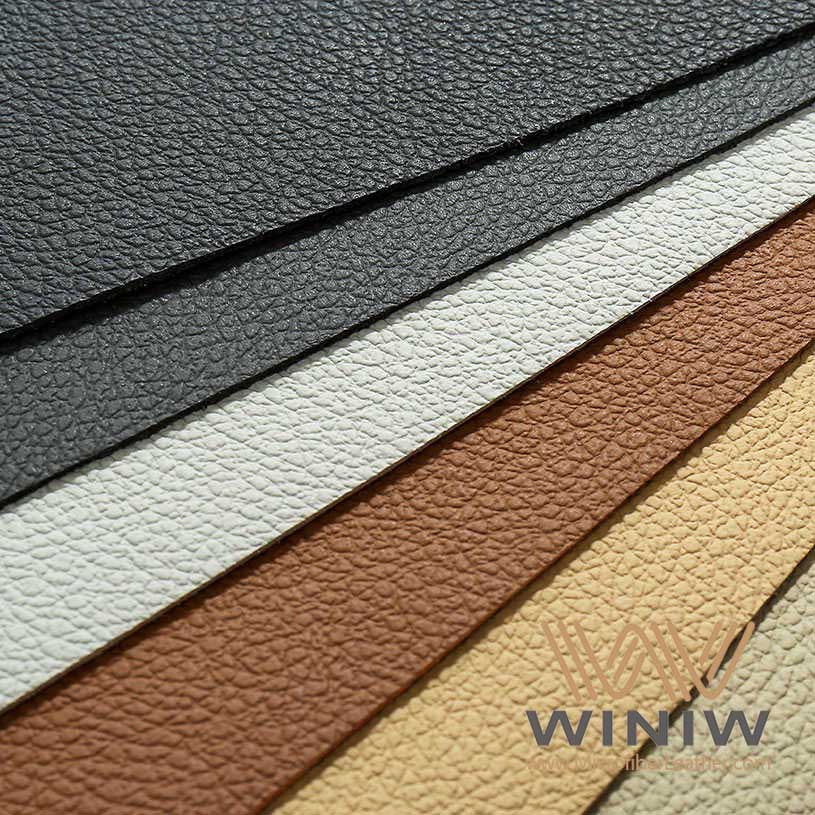
Most car headliners use nylon, vinyl, suede, or microfiber. Each one has good and bad points. The table below shows how nylon and vinyl are different:
| Material | Pros | Cons |
|---|---|---|
| Nylon | Strong, durable, easy to clean, good noise insulation | May generate static, less soft |
| Vinyl | Water-repellent, easy to clean, modern look | Can crack in extreme temperatures, less warmth |
Manufacturers put foam under the fabric. Foam helps block sound and keeps your car quiet. Suede and microfiber feel soft and do not tear easily. Better materials last longer and make your ride more comfortable. Good quality also makes it easier to install and looks nicer.
Note: Weather can change your car headliner. Sun can fade it, and wetness can cause stains or mold.
When to Replace or Customize
Check your headliner for damage or problems. Here are some reasons you might need to fix or change it:
- Headliner sags when glue stops working
- Fabric tears and gets worse over time
- More road noise inside your car
- You need a new one after changing a convertible top
Sometimes you can fix a sagging headliner, but replacing it works better. If you hear more noise or see loose fabric, you should do something soon.
Replacement & Customization Options
You have lots of ways to change your car headliner. Many people pick fancy materials like eco-friendly fabric, suede, or microfiber. Some drivers want patterns or prints for a special look. The Rolls-Royce Starlight Headliner uses tiny lights to look like stars.
About 35% of car owners upgrade their headliner for style. Prices change depending on your car and who does the work. The chart below shows what you might pay:
Doing it yourself costs less, but dealers charge more. When you get a new headliner, you can recycle the old one to help the planet.
You need your car headliner for comfort and style. It also helps keep your car warm or cool. Check your headliner often to stop problems like sagging or glue coming loose. This also helps you spot when the material is getting old.
| Benefit | Description |
|---|---|
| Enhanced Vehicle Appearance | If a pro fixes your headliner, your car looks fancy inside. |
| Increased Resale Value | A clean inside makes your car worth more and buyers like it. |
| Improved Driving Experience | A nice headliner makes driving feel better and more comfy. |
Keeping your car clean helps the air inside stay fresh. This makes it healthier for you and your friends or family.
Look at your headliner often so you can enjoy your drive every day.
FAQ
How do you clean a car headliner?
Use a soft brush or vacuum. For stains, use a mild cleaner and a damp cloth. Avoid soaking the fabric.
Tip: Test cleaners on a small spot first.
What causes a car headliner to sag?
Heat and humidity can weaken the glue. Old age or water leaks also cause sagging. You may need to replace the headliner.
Can you repair a headliner yourself?
Yes, you can fix small areas with adhesive spray or pins. For large problems, you should replace the whole headliner for best results.