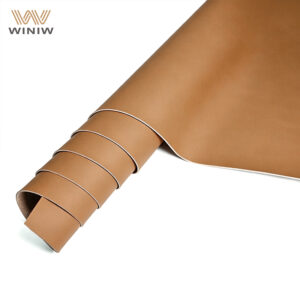
Soft Trim Automotive describes the soft-touch materials you find inside a car, such as seats, armrests, and dashboard surfaces.
- You notice a luxurious feel and improved comfort.
- Soft trims reduce noise and make each drive quieter.
- Padded armrests and sculpted contours support you on long trips.
Key Takeaways
- Soft trim materials enhance comfort and reduce noise, making every drive more enjoyable. Look for vehicles with soft-touch surfaces in high-contact areas.
- Soft trim plays a crucial role in safety by cushioning impacts and supporting your body. Choose cars with thoughtful designs that prioritize your safety.
- The aesthetics of soft trim materials significantly impact your first impression of a vehicle. Opt for high-quality materials to elevate your driving experience.
What Is Soft Trim Automotive?
Definition & Key Features
Soft Trim Automotive refers to the soft, touchable surfaces inside your vehicle. You interact with these materials every time you sit in the seat, rest your arm on the door, or grip the steering wheel. These materials focus on comfort and visual appeal. They create a welcoming and luxurious environment. You notice the difference immediately when you compare a car with high-quality soft trim to one with only basic materials.
Soft trim materials are versatile and comfortable. They enhance your driving experience by providing a plush feel and a refined look. Leather stands out in premium interiors for its durability and elegance. Synthetic options offer cost-effective solutions and adapt to many design needs. Foams play a key role by adding cushioning and insulation.
Soft Trim vs. Hard Trim
You can distinguish soft trim from hard trim by touch and appearance. Soft trim feels gentle and padded. Hard trim feels rigid and solid. Soft trim covers seats, armrests, and headliners. Hard trim appears on dashboards, door panels, and consoles.
Here is a quick comparison:
| Material Type | Durability | Maintenance Requirements |
|---|---|---|
| Soft Trim (e.g., suede, fabric) | Less durable, prone to staining and wear | Requires special care, easily stained |
| Hard Trim (e.g., wood, silicone film) | More durable | Easier to maintain, minimal care needed |
Soft trim materials focus on user interaction and comfort. Hard trim materials provide structure and durability. You may find soft trim more inviting, but it often needs more care to keep it looking new.
Common Materials
You encounter several types of materials in Soft Trim Automotive. Each material offers unique benefits and drawbacks. Here is a breakdown:
| Material | Pros | Cons |
|---|---|---|
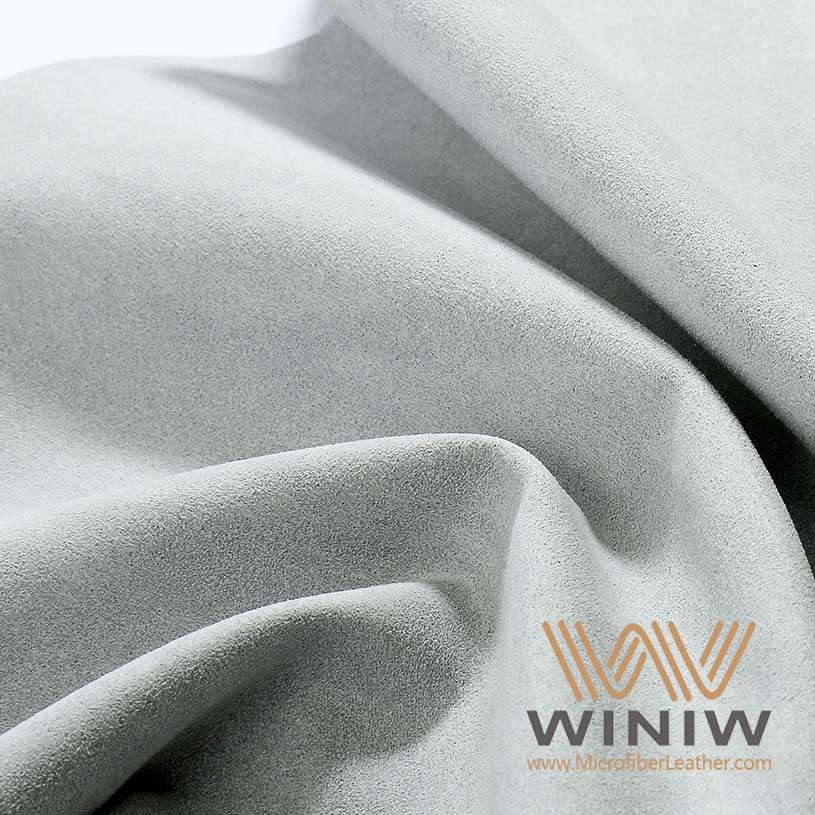
| Suede | Excellent grip, stylish appearance | Requires special care, easily stained/worn |
| Leather | High-end look, durable | Expensive, prone to wear, needs special care |
| Vinyl and Faux Leather | Affordable, resists moisture and stains | Less luxurious, not as durable |
| Fabric | Comfortable, affordable, customizable | Less durable, prone to staining/fading |
| Silicone Film | Modern look, highly durable, eco-friendly | Not as luxurious as leather |
| Wood | Timeless look, enhances aesthetics | Prone to scratches, more expensive |
You may notice that each material serves a different purpose. Leather and suede give a premium feel. Vinyl and fabric offer practicality and customization. Silicone leather stands out for its thermostability, withstanding temperatures up to 220 °C. It also provides waterproof and dustproof protection, making it ideal for automotive use. High-wear-resistant silicone leather ensures your seats and panels last longer, even with daily use.
Breathability and wear resistance matter when you choose soft trim. Fabrics with a high Moisture Vapor Transmission Rate (MVTR) allow sweat vapor to escape, keeping you comfortable. The hydrostatic head test measures how much water a fabric can resist before leaking. A higher rating means better waterproofing, which is important for durability and comfort.
Soft Trim Automotive materials shape your experience every time you enter your car. They combine comfort, style, and function, making your drive more enjoyable and your vehicle more inviting.
Importance of Soft Trim in Cars
Comfort & Noise Reduction
You experience the benefits of soft trim every time you enter a vehicle. Soft Trim Automotive materials, such as foams and fabrics, dominate seating systems and account for a large share of the automotive interior materials market. These materials provide a plush, supportive feel that makes long drives more enjoyable. When you sit on a seat with high-quality soft trim, you notice the difference in comfort right away. Soft surfaces on armrests, door panels, and headliners absorb vibrations and reduce road noise, creating a quieter cabin. This noise reduction helps you relax and focus on the road. Soft-touch dashboards and consoles also add to the premium feel, making your daily commute or road trip more pleasant.
Tip: Look for vehicles with soft-touch surfaces in high-contact areas. These features can make a big difference in your overall driving experience.
Safety Benefits
Soft trim does more than just improve comfort. It also plays a key role in keeping you safe. Soft Trim Automotive materials cushion you during sudden stops or minor impacts. They help absorb force, reducing the risk of injury. Advanced materials in airbags and seat belts meet strict safety standards, ensuring protection without sacrificing comfort. When you rest your arm on a padded door panel or lean back against a contoured seat, you benefit from thoughtful design that puts your safety first. Ergonomic shapes and strategic padding support your body and help prevent fatigue, especially on long journeys.
Aesthetics & Quality
The look and feel of a car’s interior shape your first impression. Soft trim materials add depth, character, and sophistication to the cabin. You see and touch these surfaces every day, so their quality matters. Consumer surveys show that you and other drivers prioritize interior quality and design when choosing a new vehicle. Manufacturers respond by investing in high-quality materials and innovative designs. Here are some ways soft trim enhances aesthetics and perceived quality:
- Soft-touch dashboards and customizable finishes improve both function and style, especially with advanced infotainment systems and ambient lighting.
- Multi-material door panels, using leather, fabric, plastic, and metal accents, boost visual appeal and comfort while improving insulation.
- Premium seats with leather and ergonomic designs increase comfort and perceived value, especially in luxury vehicles.
- Headliners and floor consoles with sound-absorbing properties and integrated lighting create a refined, inviting atmosphere.
You also notice that premium materials like leather, genuine wood, and soft-touch plastics elevate the tactile and visual experience. Surface finishes such as brushed aluminum and textured materials add depth and character, making the cabin feel more upscale.
- Consumers are increasingly interested in customizing their vehicles, focusing on interior features.
- Comfort, functionality, and aesthetics are top priorities for many buyers.
- There is a growing demand for premium materials and sustainable fabrics.
- Automakers now integrate advanced materials, ergonomic designs, and smart technologies into interior trims.
- Interior quality is a key factor in purchasing decisions, especially for passenger cars.
Trends in Soft Trim Automotive
The world of Soft Trim Automotive is changing quickly. Automakers now focus on sustainability, technology, and new design possibilities. Electric vehicles (EVs) lead the way in adopting innovative materials and features. Here are some of the latest trends:
| Trend/Innovation | Description |
|---|---|
| Shift to Eco-Friendly Materials | Automakers use recycled polyester, bio-based polymers, and vegan leather to meet consumer demand and regulations. |
| Architectural Flexibility in EVs | EVs allow for more spacious, technology-focused interiors, increasing the need for lightweight and sustainable upholstery. |
| Emergence of Smart Upholstery | Fabrics now include electronic features like heated seats, biometric monitoring, and adaptive temperature control. |
| Dominance of Non-Woven Fabrics | Lightweight, cost-effective, and recyclable non-woven materials are popular in EVs, where reducing weight is important. |
You see more vehicles with sustainable fabrics and smart features every year. These innovations not only improve comfort and style but also help protect the environment. As Soft Trim Automotive continues to evolve, you can expect even more options for customization, safety, and luxury in the future.
You see how soft trim shapes your car’s interior. Soft surfaces improve comfort and safety. They also make every drive more enjoyable.
- Look for quality materials and thoughtful design when you choose a vehicle.
Paying attention to these features helps you find a car that fits your needs.
FAQ
What is the main purpose of soft trim in cars?
Soft trim gives you comfort and style. It makes seats, armrests, and panels feel soft. You enjoy a quieter, more pleasant ride.
How do you clean and maintain soft trim materials?
Use a vacuum for dust. Wipe with a damp cloth. For stains, use a cleaner made for your material. Always check your car’s manual for care tips.
Are eco-friendly soft trim options available?
Yes, you can choose recycled fabrics, vegan leather, or bio-based materials. These options help reduce environmental impact while still giving you comfort and style.