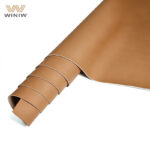
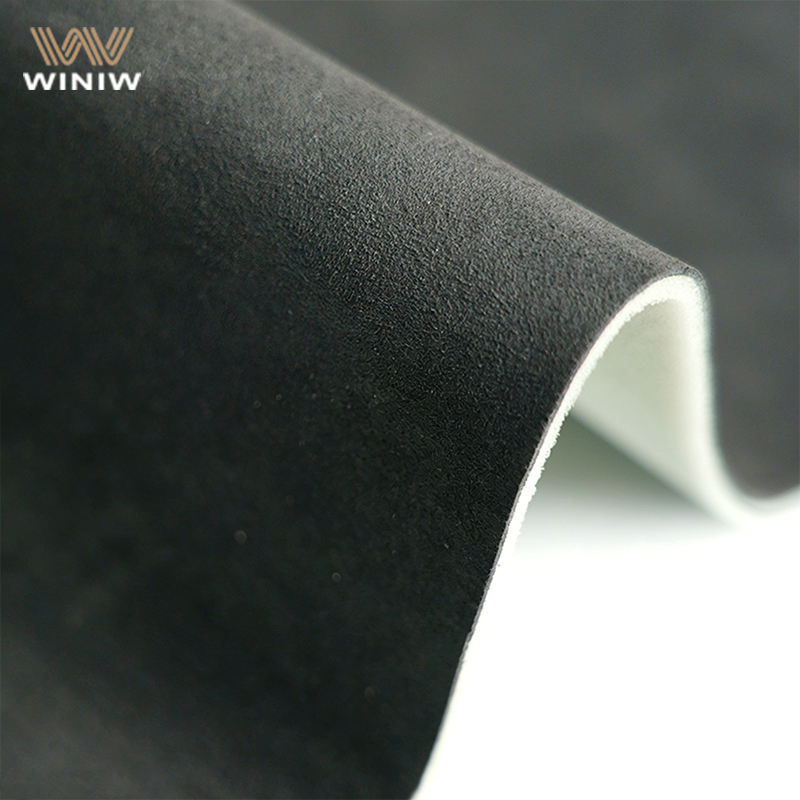
You can keep your car faux leather looking fresh by cleaning it regularly and handling it gently. Regular cleaning stops dust and stains from damaging the material over time. Unlike real leather, faux leather needs mild care without harsh chemicals. Simple habits, like wiping spills quickly, help your interior stay new longer.
Key Takeaways
- Regularly clean your car faux leather seats at least once a week to prevent dirt buildup and maintain their appearance.
- Use gentle cleaning products specifically designed for faux leather to avoid damage and ensure effective cleaning.
- Apply a leather conditioner made for synthetic materials monthly to keep your seats supple and prevent cracking.
Car Faux Leather Basics
What Sets Faux Leather Apart
You might notice that car faux leather looks and feels like real leather, but the two materials have important differences. Real leather comes from animal hides, while car faux leather uses plastic-based materials such as polyurethane (PU) or polyvinyl chloride (PVC). This difference in composition affects how each material performs and how you care for it.
- Real leather: Made from animal hides, mainly cows, goats, or sheep.
- Faux leather: Made from synthetic materials like PU or PVC.
Car faux leather offers several benefits. It costs less than real leather and often uses fewer resources during production. Many manufacturers use recycled materials, which makes faux leather more eco-friendly. Choosing faux leather for your car interior can reduce your carbon footprint by up to 70%. High-quality faux leather also resists scratches better than older types, though it does not match the durability of real leather.
Unique Care Needs
You need to follow specific steps for cleaning and leather care when dealing with car faux leather. Unlike real leather, faux leather is non-porous. This means you can wipe away marks and spills easily, and stains do not soak in. You only need a damp cloth for most cleaning tasks. For tougher spots, use a mild soap and warm water mixture. Avoid bleach or harsh chemicals, as these can damage the surface.
Tip: Regular cleaning keeps your car faux leather looking new and prevents cracking or peeling.
The manufacturing process also impacts care. Here is a quick comparison:
| Material | Maintenance Requirements |
|---|---|
| Real Leather | Needs regular conditioning, protection from moisture, and quick cleaning of spills. |
| Faux Leather | Easy to clean with mild soap and water, resists UV damage, no conditioning needed. |
You do not need to use leather conditioner as often on faux leather as you would on real leather. However, gentle leather care habits, like keeping the seats out of direct sunlight, help extend the life of your car faux leather.
Cleaning Car Faux Leather
Regular Cleaning Routine
You can keep your car faux leather interior looking new by following a consistent cleaning routine. Regular cleaning prevents dirt from building up and helps avoid stains that can damage the surface. Cleaning at least once a week works best for maintaining the appearance and longevity of your seats.
Here is a simple step-by-step cleaning routine you can follow:
- Remove loose dirt and debris from your seats using a soft-bristled brush or a microfiber cloth. This step helps prevent scratches during cleaning.
- Wipe the seats with a damp cloth to pick up any remaining dust.
- For stubborn stains, mix a small amount of mild soap with warm water. Dampen a clean cloth with the solution and gently rub the stained area.
- If you notice grease stains, sprinkle a little cornstarch or baking soda on the spot. Let it sit for a few minutes to absorb the grease, then wipe it away with a moist towel.
- Dry the seats with a clean, dry microfiber cloth to restore their shine and prevent water spots.
Tip: Quick cleaning after spills stops stains from setting and keeps your seats looking fresh.
You should avoid harsh chemicals during cleaning. Bleach, acetone, and alcohol-based sprays can harm the synthetic surface and cause cracking or fading. Regular cleaning also helps maintain the flexibility of your seats and reduces the risk of peeling.
Safe Cleaning Products
Choosing the right cleaning products is important for protecting your car faux leather. You want to use cleaners that are gentle but effective. Many manufacturers recommend using a soft microfiber cloth for wiping surfaces. This type of cloth prevents scratches and boosts cleaning performance.
Look for a gentle cleaner made specifically for synthetic materials. Vegan leather kits that are 100% VOC-free and cruelty-free work well. VLR Vinyl-Leather-Rubber Care is a good example. It is pH balanced and contains ingredients that prevent drying and cracking. You can also keep a small brush handy for cleaning seams and crevices where dirt collects.
Here is a table of cleaning agents you should avoid and the risks they pose:
| Cleaning Agent | Risk Description |
|---|---|
| Alcohol-based sprays | Can strip away protective coatings, leading to cracks, fading, and hardening of faux leather. |
| Bleach | Corrosive nature can permanently damage faux leather, leaving stains and strong odors. |
| Harsh chemicals | May compromise the integrity of faux leather, leading to deterioration of the material. |
You should always read the label before using any interior cleaning product. Avoid household cleaners that contain strong chemicals. Instead, choose car leather cleaners designed for faux leather. These products offer the right cleaning power without damaging your seats.
After cleaning, you can apply a leather conditioner made for synthetic materials. This step helps keep your seats supple and prevents cracking. If you have tough stains that do not come out with regular cleaning, consider using professional car leather cleaners for the best results.
Note: Consistent cleaning and the right products will help your car faux leather seats stay clean, soft, and shiny for years.
Using Leather Conditioner
Why Conditioner Matters
You want your car faux leather to look and feel its best for years. Regular use of a leather conditioner helps prevent cracking and keeps the surface supple. Faux leather may not absorb conditioner the same way as real leather, but it still benefits from this step. Without regular conditioning, the material can become brittle. Over time, you might notice that flexibility and appearance start to fade. Conditioner creates a protective layer that locks in moisture and helps maintain the original look.
You should watch for signs that your car faux leather needs conditioning. These signs include:
- Wrinkling or shrinkage, which shows the material is losing moisture and starting to deform.
- Loss of shine, which means the surface is drying out and needs extra care.
When you see these changes, it is time to reach for your leather conditioner. Using the right products ensures that you protect your seats from cracking and keep them looking new.
Tip: Choose a leather conditioner labeled for faux or vegan leather. These products contain ingredients that work with synthetic materials and avoid harsh chemicals.
How to Apply Conditioner
Applying conditioner to your car faux leather is simple, but you need to follow the right steps for the best results. You want to make sure the conditioner covers every part of the seat evenly and does not cause discoloration. Here is a step-by-step process you can follow:
- Start with a clean slate. Vacuum the seats and use a pH-balanced cleaner to remove dirt and grime. This step ensures that the conditioner can work directly on the surface without interference.
- Perform a patch test. Apply a small amount of conditioner to an inconspicuous area. Wait a few minutes to check for any discoloration or unwanted reactions.
- Apply the conditioner. Put a dime-sized amount on a microfiber applicator pad. Do not apply the conditioner directly to the leather.
- Work in gentle, overlapping circles. Massage the conditioner into the surface using small, circular motions. This method gives you even coverage and helps the conditioner penetrate the material.
You should let the conditioner sit for a few minutes so it can work its magic. Afterward, buff the seats with a clean, dry microfiber cloth to restore shine and remove any excess product. This process not only keeps your seats soft but also protects them from cracking and fading.
Note: Regular conditioning, along with proper cleaning power, forms the foundation of good leather care. You do not need to condition as often as with real leather, but a monthly routine works well for most vehicles.
Using a leather conditioner designed for synthetic materials gives you the best results. These products help maintain the flexibility of your car faux leather and keep it looking new. Consistent leather care, including cleaning and conditioning, ensures your seats stay free from damage and maintain their shine.
Leather Care and Protection
Sun and Heat Protection
You can extend the life of your car faux leather by protecting it from sun and heat. High temperatures and direct sunlight are the most damaging factors for your seats. Excessive heat causes the natural oils in the material to evaporate, which leads to brittleness and cracking. UV rays also weaken pigments, resulting in fading and uneven coloration. If you live in an area with extreme temperatures, your seats may dry out, crack, or lose their shine faster.
To protect your seats, try these strategies:
- Use seat covers, steering wheel covers, and dashboard covers to block UV rays.
- Employ a metal-lined sunshade to deflect sunlight.
- Park in shaded areas or garages whenever possible.
- Apply specially formulated sprays or waxes to reduce UV effects.
These leather care habits help maintain the flexibility and appearance of your seats. You can also use car leather cleaners with UV protection for added defense.
Preventing Spills and Stains
Quick action is key when dealing with spills and stains on faux leather. You should always address spills immediately to prevent permanent damage. Gently blot the area with a clean, absorbent cloth or paper towel. Avoid rubbing, as this can push the stain deeper or scratch the surface. For water spills, wipe up excess moisture and let the seat air dry. For other stains, use mild dish soap with a damp cloth. Baking soda or white vinegar can help lift tougher stains.
Here is a table showing common stains and the best removal techniques:
| Type of Stain | Recommended Removal Technique |
|---|---|
| Liquid spills | Blot quickly; use upholstery cleaner or a mix of water, vinegar, and dish soap. |
| Greasy food stains | Use a solvent-based upholstery cleaner. |
| Non-greasy food stains | Apply a mixture of hydrogen peroxide and water or mild soap and water. |
| Ink stains | Use alcohol-based solutions or specialized ink removers; dab instead of rub. |
| Mould and mildew | Clean with peroxide or citrus-based cleaners. |
| Organic stains | Use enzymatic cleaners or a baking soda and water mixture. |
Regular cleaning and gentle leather care prevent stains from setting and keep your seats looking new. Use car leather cleaners designed for faux leather to maintain cleaning power without damaging the material. These products help preserve the look and feel of your seats for years.
Mistakes to Avoid
Harsh Cleaners and Over-Cleaning
You might think that strong cleaners give your car seats more cleaning power, but harsh products can actually harm faux leather. Many cleaners contain dyes or additives that react with the surface. This can cause staining and discoloration. Some chemicals strip away natural oils, making the material dry and prone to cracking. Over time, you may notice fading, dull patches, or a loss of shine. These changes often become permanent if you keep using the wrong products.
Common mistakes include:
- Using household cleaners not designed for synthetic surfaces.
- Applying too much conditioner, which leaves greasy residue and clogs stitching.
- Misidentifying faux leather as genuine leather and using the wrong leather maintenance routine.
Tip: Always choose gentle cleaning products made for faux leather. Test any new cleaner on a hidden spot first.
Skipping Regular Maintenance
If you skip regular maintenance, you risk long-term damage to your car’s interior. Fading, surface cracking, and early deterioration often start at contact points like seat edges. Years of neglect can lead to severe damage that is hard to reverse. Consistent cleaning and hydration help prevent these problems and keep your seats looking new.
Here are the effects of poor maintenance:
- Discoloration and peeling become common.
- Cracking appears as the material loses hydration.
- The cost of repairs rises when damage becomes visible.
- The comfort and appearance of your seats decline.
You can extend the life of your faux leather by sticking to a simple cleaning and hydration routine. Proper leather maintenance protects against UV damage, restores softness, and keeps your seats attractive for years.
Note: The quality of your maintenance matters more than the material itself. Small efforts make a big difference in preventing discoloration and keeping your car interior in top shape.
You can keep leather car seats looking their best with a few simple habits.
- Park in shaded areas and use sunshades for best value protection.
- Regular cleaning and conditioning help prevent cracking.
- Always clean and condition your seats to maintain flexibility.
- These steps keep your interior clean and comfortable.
FAQ
How often should you clean car faux leather seats?
You should clean your car faux leather seats once a week. Regular cleaning prevents dirt buildup and keeps the material looking new.
Can you use household cleaners on faux leather?
You should avoid household cleaners. Many contain harsh chemicals that damage faux leather. Use products made for synthetic materials.
What is the best way to protect faux leather from sunlight?
You can use sunshades, seat covers, or park in shaded areas. These steps help prevent fading and cracking caused by UV rays.